
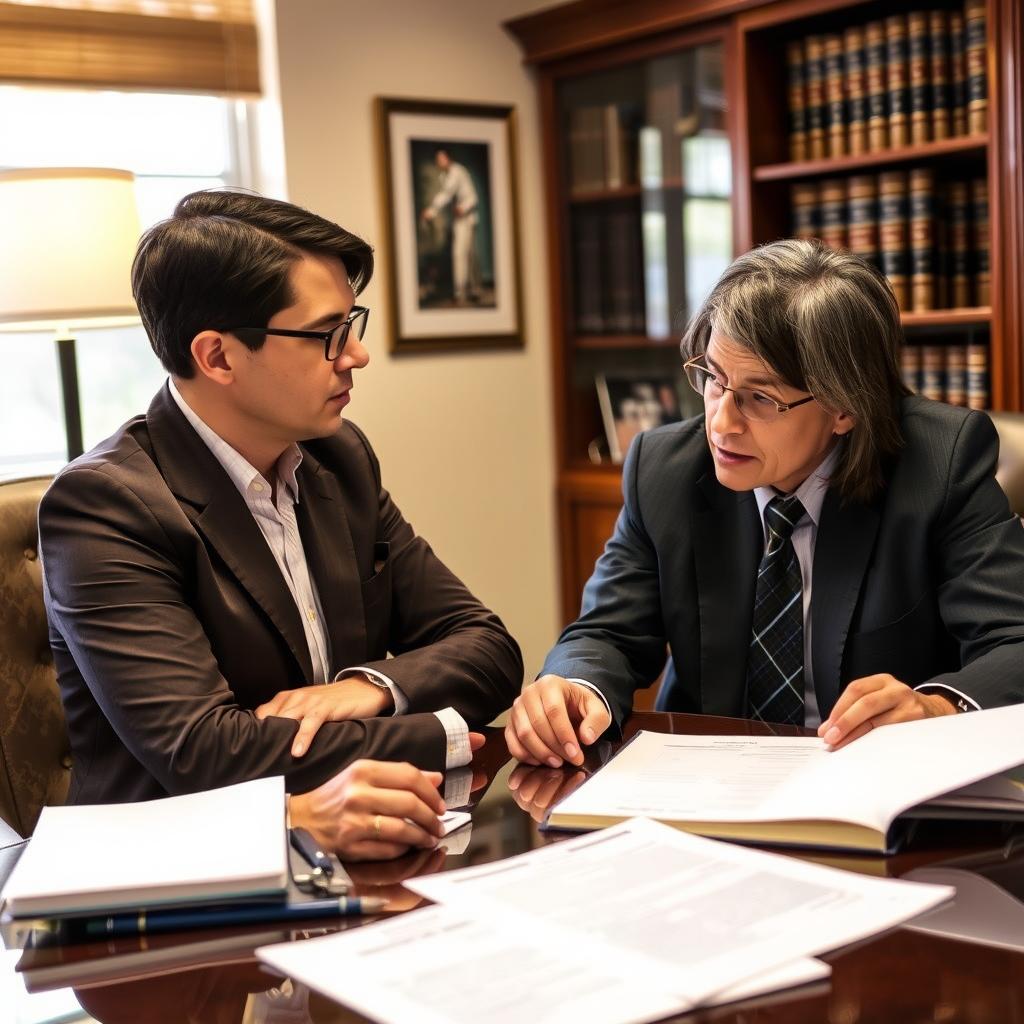
Need a Visitation Enforcement Lawyer in Fluvanna County, VA?
You have a visitation order from the Fluvanna County Juvenile and Domestic Relations District Court. The other parent refuses to follow it, and you’ve missed precious weekends with your child. You’re frustrated and wondering what to do next. Enforcing visitation rights in Virginia requires prompt legal action — and an experienced family law attorney can help. Law Offices Of SRIS, P.C. represents clients in Fluvanna County who need to enforce court-ordered visitation and restore the parent-child relationship. Law Offices Of SRIS, P.C. — Advocacy Without Borders.
What You Can Do When Visitation Is Denied
When the other parent repeatedly ignores a court-ordered visitation schedule, you have options. The most common enforcement mechanism is a Motion to Show Cause, asking the Fluvanna County Juvenile and Domestic Relations District Court to hold the non-complying parent in contempt. You may also file a motion for specific enforcement, accompanied by requests for makeup time and attorney’s fees. Virginia law, under Va. Code § 20-124.2 et seq., gives courts the authority to enforce visitation orders and to sanction a parent who willfully disobeys.
Taking action quickly is important. Delays can signal to the court that visitation is not a priority. Mr. Sris and his Of Counsel team can evaluate the facts, gather the necessary documentation, and prepare a clear motion that outlines the violations and the relief you are seeking. In many cases, the filing itself prompts the other parent to comply before the hearing. For a full statutory breakdown of visitation enforcement in Virginia, see our comprehensive analysis on srislawyer.com.
What to Expect in a Fluvanna County Visitation Enforcement Case
After you consult with Law Offices Of SRIS, P.C., the attorney will prepare and file your enforcement motion in the Fluvanna County Juvenile and Domestic Relations District Court. The court clerk will issue a summons, and the other parent must be served. A hearing is scheduled on the court’s calendar. At the hearing, both sides present evidence. You can rely on communication records, a visitation journal, witness testimony, and any other documentation of the denied time. The judge considers whether the denial was willful and what remedy best serves the child’s best interests.
Possible outcomes include a court order compelling future compliance, an award of makeup visitation, assignment of attorney’s fees, and, in persistent or egregious cases, a finding of contempt with sanctions that can include fines or even jail. The court may also modify the visitation schedule if the current order is no longer workable. The process is driven by the specific facts of your case and the court’s assessment of those facts. There are no fixed timelines — the case moves at the pace of the court’s docket.
Consequences for Denying Court-Ordered Visitation
Willfully violating a visitation order is contempt of court. Under Virginia law, a judge can impose progressively serious consequences to compel compliance. The parent found in contempt may be ordered to pay a fine, serve a jail sentence, reimburse your attorney’s fees, or lose other privileges. Additionally, the court can award compensatory makeup time, meaning the denied weekends or holidays are added back to your schedule. In some circumstances, a pattern of denial can become a factor in future custody or modification decisions. The court’s goal is to enforce the order, not to punish needlessly, but the power to sanction is real and is routinely exercised in Fluvanna County.
It is important that you document every instance of denied visitation. Notes, screenshots, emails, and a contemporaneous log all strengthen your request for enforcement. Mr. Sris and his Of Counsel can help you build a record that clearly demonstrates the other parent’s willful noncompliance.
Mr. Sris and His Of Counsel — Experienced Virginia Family Law Attorneys
Mr. Sris, Owner and Founder of Law Offices Of SRIS, P.C., has been practicing since 1997. A former prosecutor, he brings a thorough understanding of courtroom procedure and the dynamics of contested family law matters. He is admitted in Virginia, Maryland, the District of Columbia, New Jersey, and New York. Mr. Sris leads a team of Of Counsel attorneys who, together, bring over 120 years of combined legal experience to family law, criminal defense, and related practice areas. Results may vary.
The firm has documented 4,739+ case results across all practice areas. Results may vary. For visitation enforcement specifically, Mr. Sris and his Of Counsel draw on decades of family law litigation to pursue the time you are entitled to with your child.
Frequently Asked Questions About Visitation Enforcement
What is visitation enforcement in Virginia?
Visitation enforcement is the legal process of compelling a parent to comply with a court-ordered visitation schedule. When the other parent denies your court-given time with your child, you may ask the court to hold that parent in contempt and order makeup visitation or other relief. The underlying statute is Va. Code § 20-124.2, which ensures a parent’s visitation rights are protected.
How do I start a visitation enforcement case in Fluvanna County?
You or your attorney files a Motion to Show Cause or a petition for enforcement in the Fluvanna County Juvenile and Domestic Relations District Court. You must describe the specific violations and attach evidence. The court then issues a summons, and a hearing is scheduled. An experienced attorney can prepare the motion and present your case effectively.
Can the court change custody if the other parent denies visitation?
While a single violation rarely leads to a custody change, a pattern of willful denial can influence custody and modification decisions. Virginia courts consider the willingness of each parent to support the child’s relationship with the other parent as a factor in the trusted-interests analysis under Va. Code § 20-124.3. Persistent denial could be grounds to seek a custody modification.
Do I need a lawyer to enforce visitation?
Technically, you can file on your own, but having legal representation significantly improves your chances. An attorney knows the local court procedures, evidence rules, and the precise legal standard for contempt. The firm handles the paperwork, ensures proper service, and advocates forcefully for your rights. For guidance on your specific situation, reach Law Offices Of SRIS, P.C. at (888) 437-7747.
What evidence do I need to prove visitation denial?
The trusted evidence includes a detailed visitation journal, text messages, emails, voicemails, and any witnesses who observed the denial or your attempts to exercise visitation. Screenshots of social media posts where the other parent admits the denial can also be powerful. Contemporaneous records carry more weight with the court.
What is makeup visitation?
Makeup visitation is additional time awarded by the court to compensate you for the visits you missed because the other parent would not comply. For example, if you lost three weekends, the court may order that you receive extra weekend days or holiday time to make up the deficit. This remedy is frequently sought in enforcement actions.
How long does a visitation enforcement case take in Fluvanna County?
The timeline varies depending on the court’s calendar and the complexity of the case. A hearing may be set within weeks if the situation is urgent, but contested matters with extensive evidence can take longer. There is no fixed day-count. Your attorney can give you an estimate once the motion is filed and a hearing date is assigned.
What happens if the other parent is held in contempt?
Contempt sanctions can include a fine, a jail sentence, or both. More commonly, the court orders makeup visitation and may require the parent to pay your attorney’s fees. In severe cases, the judge could modify the custody arrangement to reduce the noncompliant parent’s decision-making authority. The court’s priority is compliance and the child’s welfare.
Can I get attorney’s fees if I have to go to court?
Virginia law permits the court to award attorney’s fees to the party who successfully enforces visitation, especially when the other parent’s noncompliance was willful. The court considers the reasonableness of the fees and the financial circumstances of both parties. Not every case results in a fee award, so discussing this early with your lawyer is important.
Is mediation required before I can file for enforcement?
Virginia does not mandate mediation before filing an enforcement motion. However, some judges may suggest or order mediation to attempt resolution. Mediation can be a faster, lower-conflict way to resolve the issue, but it does not prevent you from seeking judicial enforcement if mediation fails. For a consultation on an appropriate approach, contact Law Offices Of SRIS, P.C. at (888) 437-7747.
Request a Consultation
If you are struggling to enforce a visitation order in Fluvanna County, the team at Law Offices Of SRIS, P.C. is ready to help. Call (888) 437-7747 to schedule a consultation. Our Shenandoah Location serves Fluvanna County — by appointment only.
Shenandoah Location
505 N Main St, Suite 103
Woodstock, VA 22664
Related pages: Fairfax County Family Law · Prince William County Family Law · Manassas City Family Law
Attorney advertising. Prior results do not guarantee a similar outcome. Results may vary. Case results depend on a variety of factors unique to each case.