
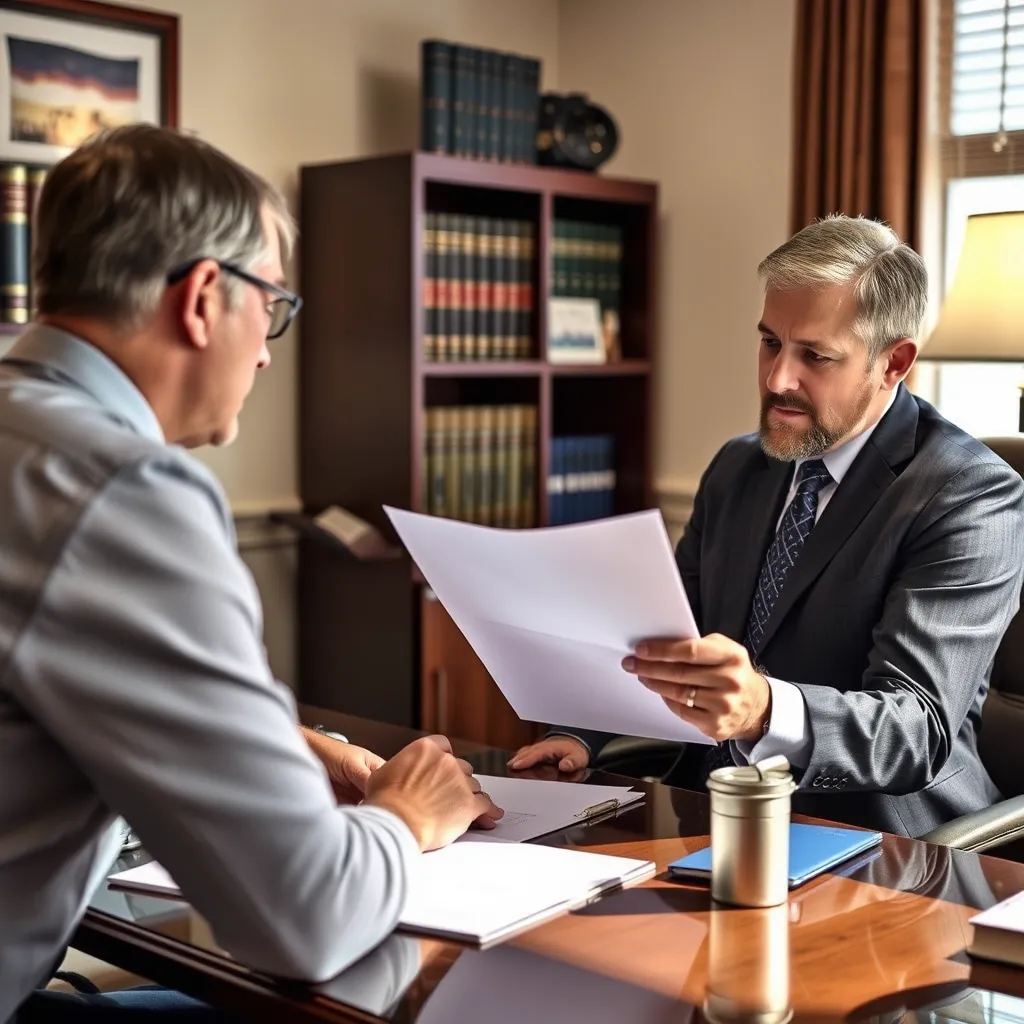
Restraining Order Lawyer in Manassas, VA
Dealing with domestic disputes or threats of violence is incredibly stressful, and the legal process surrounding restraining orders can feel overwhelming. If you are seeking immediate protection or need to understand your rights regarding protective orders in Virginia, you do not have to navigate this alone. The law governing these matters is complex, highly dependent on specific facts, and varies significantly depending on whether you are seeking a temporary order or a permanent ruling.
At Law Offices Of SRIS, P.C., we understand the urgency and emotional weight behind your situation. Our dedicated team of attorneys has extensive experience handling protective orders and restraining order cases across Manassas and the surrounding Prince William County area. We provide clear, strategic guidance designed to protect your safety and secure the necessary legal protections you require.
Need Immediate Help?
If you are in immediate danger, please call 911. For legal counsel regarding restraining orders in Manassas, VA, please call us directly at (888) 437-7747. We accept appointments and are ready to discuss your situation confidentially.
Law Offices Of SRIS, P.C.
By appointment only. Serving Manassas, Prince William County, and across Virginia.
What Is a Restraining Order in Virginia?
A restraining order, often referred to as a protective order or an order of protection in Virginia, is a court mandate that legally prohibits one person from contacting or coming near another person. These orders are not automatic; they must be petitioned for and granted by a judge after the court reviews evidence presented by both parties.
The primary goal of obtaining this order is to establish a clear boundary of safety. Depending on the circumstances, the court may issue different types of orders:
- Temporary Protective Order (TPO): Issued quickly by a judge, often at a courthouse, to provide immediate, short-term protection while the full hearing is scheduled.
- Permanent Protective Order: If the evidence supports the claims, the court can issue a longer-term order that remains in effect until the court determines otherwise.
Understanding the Different Types of Protective Orders
It is crucial to understand that “restraining order” is a general term. In Virginia, the specific legal mechanism used depends on the nature of the threat or conflict. These orders can relate to domestic violence, stalking, harassment, or even India is not a signatory to the 1980 Hague Convention on Civil Aspects of International Child Abduction.. For example, if your primary concern involves custody arrangements, the protective order may be intertwined with a broader family law practice strategy.
Whether you are dealing with allegations of abuse, financial misconduct, or ongoing harassment, our attorneys at Law Offices Of SRIS, P.C., will guide you through the specific Virginia statutes that apply to your case. We know that navigating the court system requires specialized knowledge, which is why we emphasize the importance of retaining experienced local counsel.
The Restraining Order Process in Manassas, VA
The process for obtaining a protective order in Manassas, VA, generally involves several distinct stages. While every case is unique and subject to the judge’s discretion, understanding the typical timeline can reduce anxiety and help you prepare effectively.
Step 1: Filing the Petition
The process begins with filing a formal petition with the appropriate Virginia court. This initial filing documents the allegations of abuse, harassment, or threat. At this stage, gathering evidence—such as texts, emails, photos, and witness statements—is paramount. Our team assists clients in compiling a comprehensive evidentiary package that supports the claims made in the petition.
Step 2: The Temporary Hearing
Following the filing, you will typically appear before a judge for a temporary hearing. Here, the judge assesses the immediate risk to your safety and may issue a Temporary Protective Order (TPO). This initial hearing is critical because it sets the tone for the entire case and can provide immediate breathing room and physical separation.
Step 3: The Full Hearing
If the temporary order is granted, the court will schedule a full hearing. This is where both sides present their evidence, call witnesses, and argue the merits of the case before the judge. Our attorneys are skilled at cross-examining opposing counsel and presenting testimony in a way that maximizes your legal standing.
How Does the Evidence Affect My Restraining Order Case?
The evidence is the backbone of any protective order case. A judge will not grant an order based solely on allegations; they require verifiable proof. This means that documentation—from police reports to digital communications—is more valuable than memory alone.
We advise our clients to maintain meticulous records. If you are unsure how to document evidence legally, or if you need assistance in gathering testimony from witnesses who may be reluctant to speak, please reach out to us. Our local knowledge of the Manassas court system is invaluable in this regard.
What Are My Rights During the Process?
Understanding your rights is as important as understanding the law itself. In Virginia, you have the right to due process, which means you are entitled to notice of all hearings and the opportunity to present your side of the story. However, it is also important to understand that the opposing party has the right to defend themselves, and their legal counsel will challenge every piece of evidence presented.
This adversarial nature requires representation from experienced local counsel. Our goal is not just to file papers, but to build a robust, defensible case that respects your rights while actively protecting your safety.
How Mr. Sris and the Firm’s Of Counsel Attorneys Handle Restraining Order Cases in Manassas
The process of obtaining or defending against a protective order requires more than just filing paperwork; it demands a nuanced, multi-faceted legal strategy. When clients come to Law Offices Of SRIS, P.C., we immediately assess the totality of the circumstances—the history of conflict, the immediate danger level, and the specific jurisdictional rules governing Manassas, VA. Our approach is highly personalized. We begin by conducting an intensive intake interview to build a complete evidentiary timeline. This initial phase allows us to identify potential weaknesses in the case and determine the most effective legal avenue, whether that involves seeking a temporary order immediately or building a comprehensive case for a permanent ruling.
Furthermore, we leverage the collective experience of our firm’s Of Counsel attorneys. These specialized practitioners bring thorough knowledge from various fields, including family law, criminal defense, and civil litigation, allowing us to address restraining order issues from every possible legal angle. We work collaboratively with these attorneys to ensure that every aspect of your case—from gathering digital evidence to preparing for cross-examination—is handled with the highest degree of care and precision. Our commitment is to advocate fiercely for your safety while ensuring all actions taken are fully compliant with Virginia law.
About Mr. Sris and the Firm’s Of Counsel Attorneys
Law Offices Of SRIS, P.C., was founded on a commitment to providing tenacious, client-focused legal representation when our clients needed it most. Mr. Sris, Owner and Founder, brings decades of experience in complex litigation matters. As a former prosecutor, he has developed an acute understanding of criminal procedure and the evidence required to prove misconduct or threat. He is admitted in Virginia, Maryland, the District of Columbia, New Jersey, and New York, providing our clients with access to a five-jurisdiction practice that understands multi-state legal nuances.
Mr. Sris’s dedication to justice is further evidenced by his commitment to legislative advocacy; he testified before the Virginia House Courts of Justice Committee in support of 2019 HB 635 (chief patron Del. David Bulova). The strength of our firm lies not only in Mr. Sris’s leadership but also in the breadth of knowledge provided by the firm’s Of Counsel attorneys. These experienced independent practitioners allow us to maintain a specialized focus on every client’s unique needs, ensuring that whether the matter involves divorce, custody disputes, or protective orders, you receive counsel from the most qualified hands available.
Where Can I Find a Restraining Order Lawyer Near Manassas?
Finding the right attorney when you are already under stress is difficult. You need someone who combines deep legal knowledge with genuine empathy. A local attorney who understands the specific court procedures and community dynamics of Manassas, VA, can make a monumental difference in your case outcome. We focus on providing immediate, actionable advice, provides clients with representation that is both active in litigation and compassionate in counsel.
What Is the Difference Between a Protective and Restraining Order?
Legally speaking, in Virginia, the terms are often used interchangeably by the public. However, technically, “protective order” is the formal legal instrument used within the state’s judicial system to mandate safety boundaries. While the public may use “restraining order” as a common term, the underlying legal function—mandating distance and prohibiting contact—remains the same. Our attorneys are fluent in both terminologies to ensure you understand exactly what document the court is issuing.
What Is the Impact of a Restraining Order on Custody?
The impact of a protective order on custody arrangements can be profound and complex. A judge considering custody will view the existence, or the underlying allegations that led to, a restraining order as a significant factor in determining the “best interest of the child.” This does not mean that an order automatically forfeits custody, but it signals a serious level of conflict and risk that must be addressed through mediation and judicial oversight. Our family law practice division works closely with protective order defense to safeguard your parental rights while ensuring the safety of all involved.
Related Legal Topics We Handle
Beyond immediate protective orders, our practice covers a wide range of family law needs. If your situation involves related issues, we can help guide you:
- Divorce Lawyer Manassas, VA: Comprehensive divorce representation.
- Collecting Evidence of Abuse: Best practices for documentation.
Frequently Asked Questions About Restraining Orders in Manassas, VA
What is the fastest way to get a restraining order in Virginia?
The quickest route is typically through filing for a Temporary Protective Order (TPO) at the local courthouse. This allows a judge to assess immediate danger and grant short-term protection while the full case proceeds. However, this requires immediate evidence of threat.
Can I get an order if we never lived together?
Yes. Protective orders are not limited to marital disputes. They can be sought in cases of stalking, harassment, or threats between non-cohabitating individuals who have a relationship or connection.
How long does the process take from filing to hearing?
The timeline varies significantly. A TPO can sometimes be granted within hours if the judge deems the threat immediate. However, a full hearing and permanent order can take several weeks or months, depending on court backlogs and scheduling.
What happens if I violate a restraining order?
Violating a protective order is a criminal offense in Virginia. If you are found to have violated the terms, law enforcement can arrest you immediately, and you will face criminal charges separate from any civil proceedings.
Do I need a lawyer if I file for a restraining order?
While you have the right to represent yourself, we strongly advise hiring an attorney. The legal process is complex, and having experienced counsel ensures that your rights are protected and that all necessary evidence is presented correctly to the judge.
Can a restraining order prevent contact through third parties?
Yes. Protective orders often prohibit indirect contact, meaning you cannot use friends, family members, or electronic means (like social media) to communicate with the protected party.
Does a restraining order affect my ability to own property?
Generally, no. Protective orders focus on personal safety and contact restrictions. However, if the underlying dispute involves marital assets, the protective order may be related to, but separate from, asset division proceedings.
Securing Your Safety in Manassas, VA
The emotional toll of domestic conflict is immense, and the legal fight for a restraining order adds significant stress. You deserve to feel safe within your own home and community. Law Offices Of SRIS, P.C. is here to provide the experienced attorney advocacy you need to navigate Virginia’s protective order laws successfully. We combine deep local knowledge of Manassas courts with proven litigation strategies developed over decades.
Do not wait until the situation escalates further. If you have concerns about safety, harassment, or threats, speak with an attorney about your particular situation today. Contact us at (888) 437-7747 to schedule a confidential consultation. Our team is ready to help you take the critical first step toward peace and security.
Call Law Offices Of SRIS, P.C. Today: (888) 437-7747
We provide dedicated Restraining Order Lawyer Manassas, VA representation by appointment only.
Case results depend on a variety of factors unique to each case.
Attorney advertising. Prior results do not guarantee a similar outcome.