
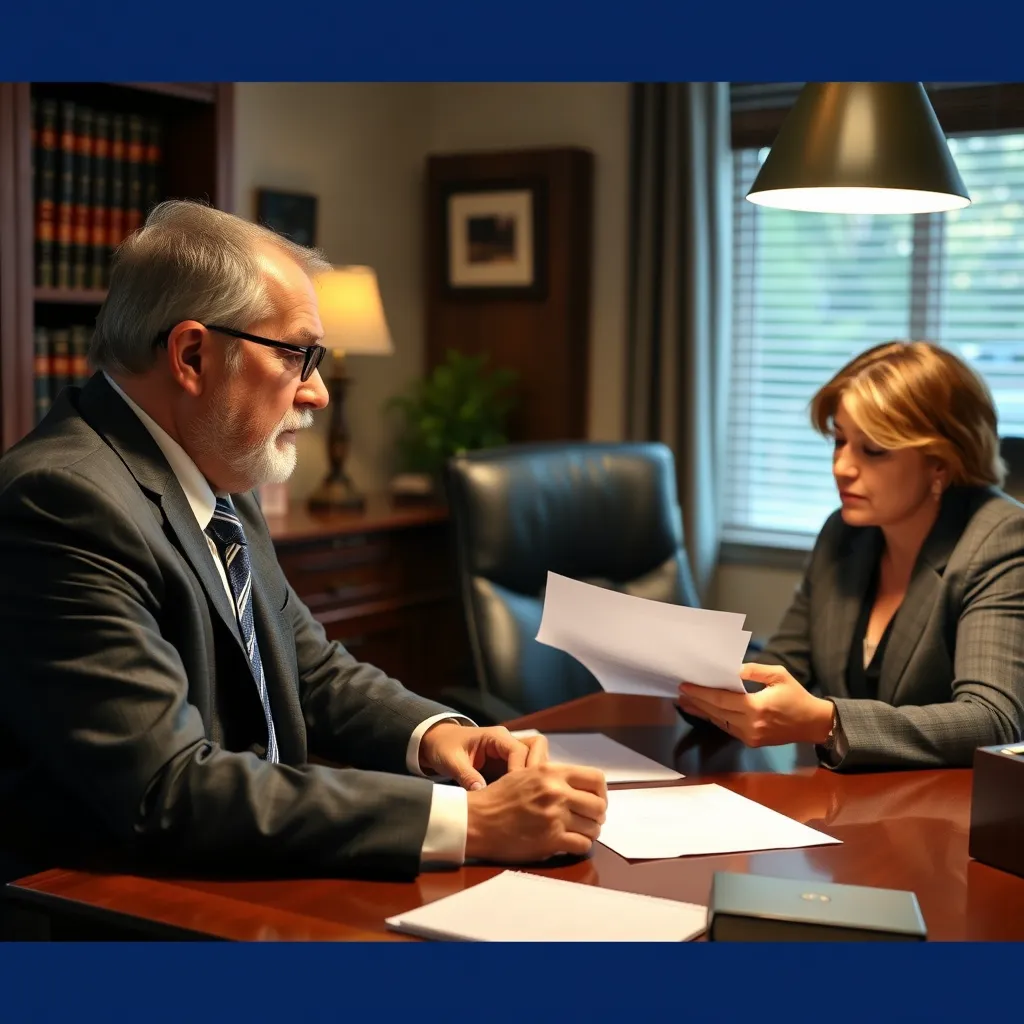
Note: This article is confirmed by Law Offices Of SRIS, P.C.
AUTHOR BIO:WRITTEN BY
Since 1997, Mr. Sris has led the firm, focusing on the most challenging criminal and family law cases. His background in accounting and information management aids in financial and technology-related cases. Involved in significant legislative changes in Virginia. Mr. Sris has worked to amend Virginia Code § 20-107.3 and achieve state recognition for cultural milestones.
Rehabilitative Alimony Lawyer Goochland VA
What is Rehabilitative Alimony
Rehabilitative alimony represents a specific type of spousal support in Virginia family law. This temporary financial assistance aims to help a receiving spouse develop skills or education needed for employment. The support period typically corresponds with the time required to complete training programs or educational courses. Courts consider various factors when determining eligibility and amount.
Virginia law outlines specific criteria for rehabilitative alimony awards. The requesting spouse must demonstrate a need for support during career transition. Evidence of educational plans or training programs strengthens the case. Courts examine the duration needed for the receiving spouse to achieve self-sufficiency. Financial documentation shows current earning capacity and future potential.
Developing effective legal arguments requires thorough preparation. Documentation of educational expenses, training costs, and living needs during the transition period proves vital. Evidence showing how the support will lead to employment opportunities carries weight. The requesting party should present a clear plan with realistic timelines. Demonstrating commitment to the educational or training process matters.
Professional insight emphasizes strategic planning for rehabilitative alimony cases. Legal representation helps present compelling evidence to the court. Understanding local judicial preferences in Goochland County influences case strategy. Proper documentation of career development plans supports requests for appropriate support amounts and durations.
How to Request Rehabilitative Alimony
Requesting rehabilitative alimony follows established legal procedures in Virginia courts. The process begins with filing appropriate motions during divorce proceedings or support modification hearings. Documentation requirements include detailed educational plans, training program information, and financial need calculations. Courts expect clear evidence showing how temporary support will facilitate career development.
The initial step involves gathering comprehensive documentation. Educational institution acceptance letters, program descriptions, and tuition schedules provide evidence. Employment projections showing potential earnings after program completion help demonstrate the investment’s value. Financial statements detail current income, expenses, and resources available for education. Medical or disability documentation may support extended timelines if needed.
Legal procedures require formal court filings with specific information. Motions must state the requested support amount, duration, and purpose. Supporting documents attach as exhibits to the filing. Service of process ensures the other party receives proper notice. Court hearings allow presentation of evidence and arguments for the request.
Strategy development focuses on presenting a compelling case to the court. Legal representation helps organize evidence effectively. Demonstrating the reasonableness of the requested timeframe proves important. Showing how the support aligns with Virginia’s rehabilitative alimony standards strengthens the position. Addressing potential objections from the other party prepares for court proceedings.
Can I Modify Rehabilitative Alimony
Modifying rehabilitative alimony involves legal procedures under Virginia law. Changes to support terms require court approval based on changed circumstances. The party seeking modification must demonstrate substantial changes affecting the original agreement’s fairness. Courts consider various factors when evaluating modification requests.
Extension requests may arise when unexpected circumstances delay educational or training completion. Medical issues, program changes, or employment market shifts could justify additional time. Documentation must show the reasons for delay and the additional time needed. Courts examine whether the receiving spouse has made reasonable efforts toward the original goals.
Reduction or termination requests may occur when circumstances change. Early employment achievement, program abandonment, or cohabitation with a new partner could affect support obligations. The paying spouse must provide evidence of changed circumstances warranting adjustment. Courts balance the original agreement’s intent with current realities.
Legal procedures for modification follow established court processes. Filing appropriate motions with supporting documentation initiates the process. Service requirements ensure proper notice to the other party. Court hearings allow presentation of evidence and arguments. Judges consider whether modifications serve the original rehabilitative purpose.
Why Hire Legal Help for Rehabilitative Alimony
Hiring legal assistance for rehabilitative alimony matters offers significant benefits in Virginia family law proceedings. Knowledge of local court procedures in Goochland County helps handle the legal system effectively. Understanding judicial preferences regarding rehabilitative support requests influences case strategy. Legal representation ensures proper documentation meets court requirements.
Documentation preparation requires attention to detail and legal standards. Educational plans, financial statements, and employment projections must align with Virginia law. Legal professionals help organize evidence to present a compelling case. Proper formatting and submission procedures prevent procedural delays. Addressing potential evidentiary issues before court hearings proves advantageous.
Court representation provides advocacy during hearings and negotiations. Legal professionals present arguments effectively to judges. Responding to opposing counsel’s positions requires knowledge of family law principles. Negotiation skills help reach agreements without prolonged litigation. Courtroom experience assists with procedural matters and evidentiary rules.
Strategic planning considers long-term implications of rehabilitative alimony agreements. Legal guidance helps structure support terms that achieve career development goals. Considerations include tax implications, modification possibilities, and enforcement mechanisms. Understanding how rehabilitative alimony interacts with other support obligations proves important.
FAQ:
1. What is rehabilitative alimony?
Temporary support for education or training to achieve employment. It has specific duration and career development goals.
2. How long does rehabilitative alimony last?
Duration matches educational or training program timelines. Courts approve time needed for reasonable career development.
3. What evidence supports rehabilitative alimony requests?
Educational acceptance letters, program details, tuition costs, and employment projections after completion.
4. Can rehabilitative alimony be modified?
Yes, with court approval and evidence of changed circumstances affecting the original agreement’s purpose.
5. What happens if I finish training early?
Support may end earlier if you achieve employment goals before the scheduled termination date.
6. How is the amount determined?
Courts consider educational costs, living expenses during training, and the paying spouse’s financial capacity.
7. Can rehabilitative alimony become permanent?
No, it remains temporary. If ongoing support is needed, different alimony types may apply.
8. What if I cannot complete the program?
You may need to request modification or termination. Courts consider reasons for non-completion.
9. Does cohabitation affect rehabilitative alimony?
Living with a new partner may justify modification or termination of support obligations.
10. How do I request rehabilitative alimony?
File a formal motion with the court showing educational plans and financial needs during transition.
11. What if the paying spouse refuses?
Courts can order support based on evidence of need and the other spouse’s ability to pay.
12. Are there tax implications?
Rehabilitative alimony may have tax consequences for both paying and receiving parties.
Past results do not predict future outcomes