
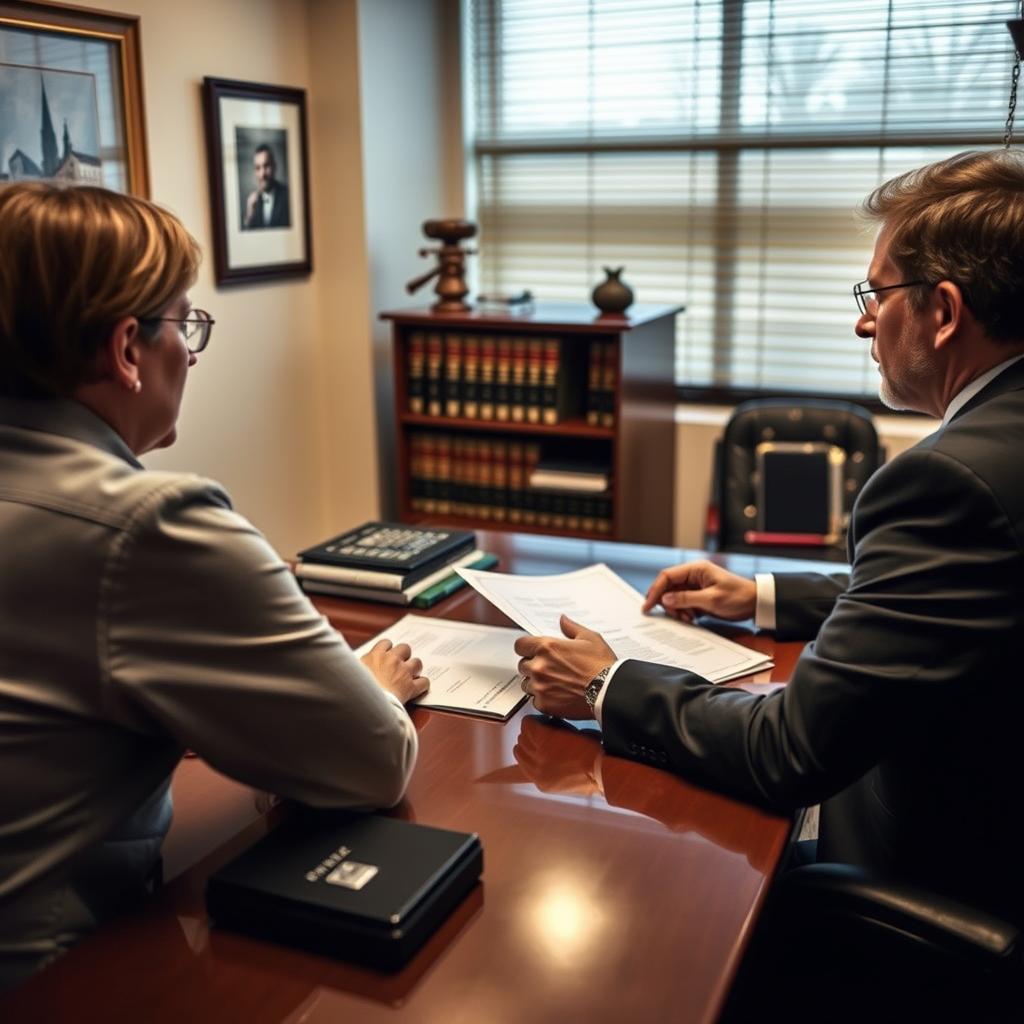
Recognition Of Foreign Divorce Lawyer Roanoke County, VA
You were married in another country, and that marriage ended through a divorce decree issued by a foreign court. Now you are living in Roanoke County, Virginia—perhaps in Salem, Vinton, Cave Spring, or Hollins—and you need to know whether that foreign divorce will be recognized here. Maybe you are planning to remarry, or you need to resolve property or support matters that depend on the validity of the divorce. A foreign divorce decree is not automatically recognized in Virginia; you must petition the Roanoke County Circuit Court to recognize or domesticate the decree so it carries full legal force in the Commonwealth. Mr. Sris and his Of Counsel team at Law Offices Of SRIS, P.C. Guide clients through this process. To request a consultation, reach our firm at (888) 437-7747. Law Offices Of SRIS, P.C. – Advocacy Without Borders.
What Recognition Of Foreign Divorce Means in Roanoke County
Recognition of a foreign divorce refers to a Virginia court’s formal determination that a divorce granted in another country is valid and may be treated as a legal dissolution of the marriage in the Commonwealth. Without that recognition, uncertainty remains: a subsequent remarriage could be voidable, asset division may be contested, and spousal-support obligations may be unresolved. The Roanoke County Circuit Court, located at 305 East Main Street in Salem and operating within the Twenty‑third Judicial District of Virginia, has exclusive original jurisdiction over divorce and equitable distribution matters (Va. Code § 20‑96).
To obtain recognition, one of the parties must have been a bona fide resident and domiciliary of Virginia for at least six months (Va. Code § 20‑97). The court will examine the foreign decree under the principle of lex loci celebrationis—the law of the place where the divorce was granted. If the decree is valid under that foreign law and does not offend a strong public policy of Virginia, the court will ordinarily recognize it. In practice, this means presenting authenticated copies of the foreign divorce judgment, often with an apostille if the country is a signatory to the 1961 Hague Apostille Convention, along with evidence that both spouses had a meaningful opportunity to participate in the proceeding. Mr. Sris and his Of Counsel handle these cases for clients throughout Roanoke County, appearing at the Circuit Court to secure a domestication order that clarifies your marital status under Virginia law.
How Mr. Sris and His Of Counsel Handle Recognition Of Foreign Divorce Cases
When you bring a foreign‑divorce‑recognition matter to the firm, Mr. Sris and his Of Counsel begin by reviewing the foreign decree and the circumstances of the proceeding that produced it. They confirm the decree’s validity under the law of the issuing country and identify any potential public‑policy obstacles. If the decree appears valid and enforceable, they prepare and file a complaint in the Roanoke County Circuit Court requesting domestication of the foreign divorce.
The process includes serving the other spouse according to the rules of Virginia civil procedure—or, if the spouse is abroad, through methods permitted by the Hague Service Convention or other available avenues. At the final hearing, Mr. Sris and his Of Counsel present the authenticated foreign decree, supporting documentation, and argument demonstrating that the decree meets Virginia’s recognition standards. Because the timeline and specific requirements vary with each country’s legal system and the cooperating status of the other spouse, the firm approaches every case with a flexible, detail‑oriented strategy. To discuss your situation, reach Law Offices Of SRIS, P.C. at (888) 437-7747.
About Mr. Sris and His Of Counsel Team
Mr. Sris, Owner and Founder of Law Offices Of SRIS, P.C., has been practicing since 1997 and is admitted in Virginia, Maryland, the District of Columbia, New Jersey, and New York. A former prosecutor, he brings a disciplined, courtroom‑ready approach to family law matters, including the recognition of foreign divorce decrees. Mr. Sris testified before the Virginia House Courts of Justice Committee in support of 2019 HB 635 (chief patron Del. David Bulova).
Alongside Mr. Sris, an experienced Of Counsel team contributes to the firm’s family law practice. These Of Counsel attorneys—engaged through Excella—are selected for their familiarity with complex domestic‑relations issues, including cross‑border divorce recognition. Together, Mr. Sris and his Of Counsel work to guide Roanoke County clients through the domestication process with thorough attention to both Virginia procedural requirements and the nuances of foreign legal systems.
Frequently Asked Questions
What does it mean to “recognize” a foreign divorce in Virginia?
Recognition is the legal process through which a Virginia court accepts a divorce granted in another country as a valid termination of the marriage. Once the Roanoke County Circuit Court enters an order of recognition, the divorce has the same effect as one granted within Virginia—for remarriage, property division, and all other state‑law purposes.
Do I need a lawyer to domesticate a foreign divorce decree in Roanoke County?
You are not legally required to have a lawyer, but the process involves preparing a complaint, complying with Virginia’s service‑of‑process rules, and presenting evidence of the foreign decree’s validity—procedures that can be difficult to navigate without legal training. Mr. Sris and his Of Counsel handle these filings and hearings to help ensure the court has the information it needs to make a proper ruling.
How long does it take to get a foreign divorce recognized in Roanoke County?
The timeline depends on the court’s calendar, the completeness of the documentation you provide, and whether the other spouse contests the recognition. Uncontested cases may proceed more quickly, but the firm cannot predict a specific timeframe. To learn more, contact Law Offices Of SRIS, P.C. at (888) 437-7747 to request a consultation.
Will my foreign divorce be accepted for remarriage in Virginia?
Once the Roanoke County Circuit Court enters an order recognizing or domesticating the foreign decree, Virginia treats the prior marriage as dissolved for all legal purposes, including eligibility to remarry. Until that order is obtained, a subsequent marriage could be challenged as voidable. Mr. Sris and his Of Counsel can help you obtain the necessary court order.
What documents do I need to present to the court?
You will need an official, authenticated copy of the foreign divorce decree—often with an apostille if the issuing country is a signatory to the Hague Apostille Convention—along with a certified translation if the original is not in English. Other documents, such as proof of residency and evidence that both spouses were given notice of the foreign proceeding, may also be necessary. The specific requirements vary by country, and Mr. Sris and his Of Counsel review the facts of each case to determine what the court will need.
What if my spouse objects to recognition of the foreign divorce?
If the other spouse contests the domestication, the case proceeds as a contested matter. The court will hold a hearing at which both sides may present evidence about the validity of the foreign decree. Mr. Sris and his Of Counsel have experience managing contested family law hearings before the Roanoke County Circuit Court and can represent your interests throughout the proceeding. To discuss the details, reach the firm at (888) 437-7747.
Similar family law representation is available in other Virginia localities served by the firm, including Fairfax County, Prince William County, and Manassas.
For more information on Virginia domestic‑relations law, consult Virginia Code Title 20 — Domestic Relations and the Virginia Judicial System website.
Attorney advertising. Prior results do not guarantee a similar outcome. Results may vary. Law Offices Of SRIS, P.C. Attorneys are admitted in Virginia, Maryland, the District of Columbia, New Jersey, and New York. This page is intended for informational purposes and does not create an attorney‑client relationship.
Case results depend on a variety of factors unique to each case.