
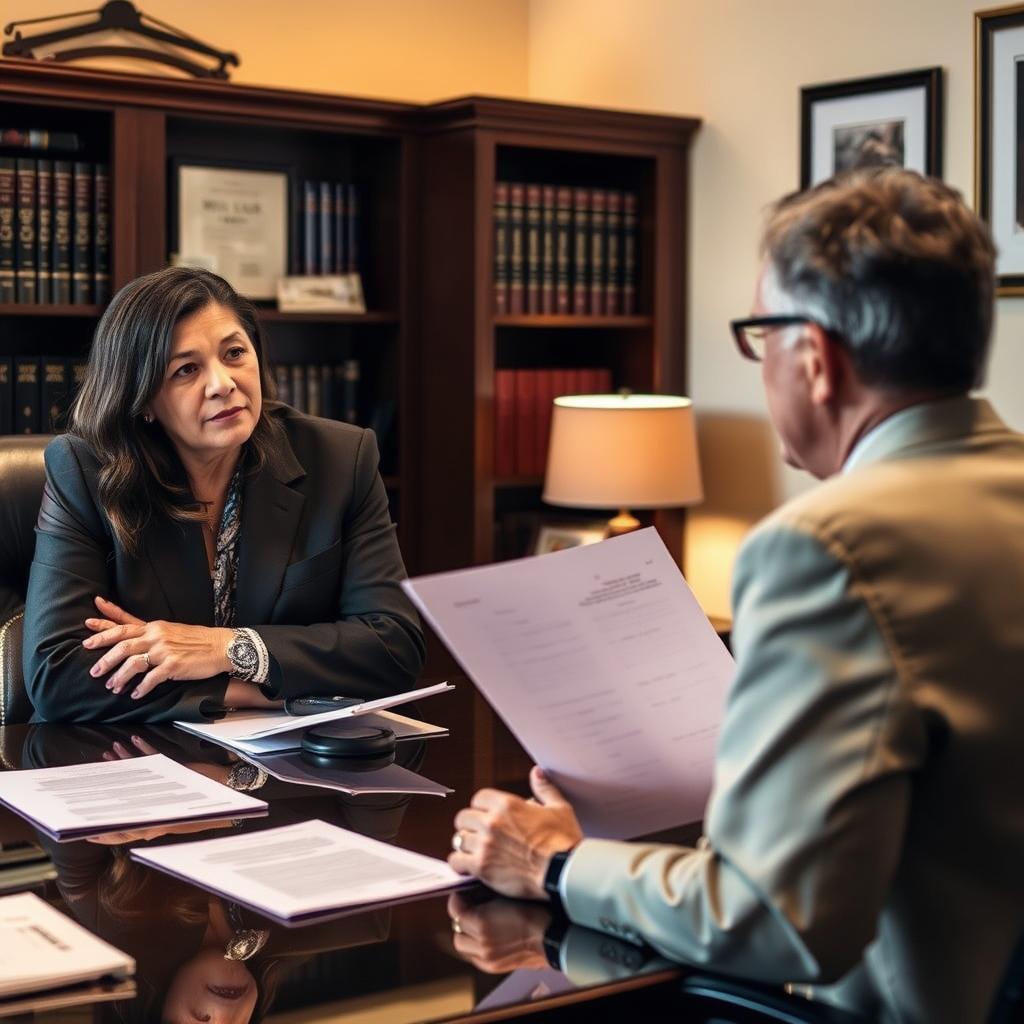
Permanent Alimony Lawyer Dinwiddie County, VA
Permanent alimony—also referred to as indefinite spousal support—provides ongoing financial assistance from one spouse to the other following a divorce. In Dinwiddie County, Virginia, these determinations are made by the Dinwiddie County Circuit Court under the factors set out in Va. Code § 20‑107.1. Whether you are seeking support or contesting an award, the court’s analysis focuses on the financial needs of the requesting spouse and the ability of the other spouse to pay, as well as the duration of the marriage and the contributions of each party. The firm’s Richmond location serves clients throughout Dinwiddie County, including the communities of Dinwiddie and McKenney, and appears regularly before the Dinwiddie County Circuit Court. To discuss your situation with an experienced family law attorney, call Law Offices Of SRIS, P.C. at (888) 437‑7747. Law Offices Of SRIS, P.C. — Advocacy Without Borders.
What Permanent Alimony Means in Dinwiddie County, Virginia
In Virginia, spousal support is not automatically awarded when a marriage ends. The court first determines whether one spouse has a financial need and the other has the ability to pay. When the marriage has lasted many years, when the requesting spouse is unable to become self‑supporting because of age, health, or a significant absence from the workforce, or when other circumstances make rehabilitation unrealistic, the court may order permanent—or indefinite—alimony. The Dinwiddie County Circuit Court, located at the Dinwiddie Courthouse in Dinwiddie, VA 23841, possesses exclusive jurisdiction over divorce and spousal support matters. Because the court applies the equitable‑distribution principles of Virginia, it often ties permanent alimony to a thorough property division analysis.
The thirteen statutory factors the court weighs under Va. Code § 20‑107.1 include the parties’ earning capacities, the standard of living established during the marriage, the duration of the marriage, and the contributions each spouse made to the family’s well‑being. While Dinwiddie County follows the same statutory framework as other Virginia circuit courts, local practice often emphasizes a clear, well‑documented portrayal of the financial and personal history of the marriage. The presence of retirement accounts, business interests, or inherited property can complicate the analysis, requiring careful attention to classification and valuation. Because the Dinwiddie County Circuit Court handles all equitable‑distribution and support questions, retaining counsel familiar with the local court’s expectations can help present the case in a way that the judge and the commissioner in chancery can readily evaluate.
How Mr. Sris and His Of Counsel Handle Permanent Alimony Cases
When Law Offices Of SRIS, P.C. represents a client in a permanent‑alimony matter, the process begins with a detailed review of the marriage’s financial history. The firm gathers income records, tax returns, retirement‑account statements, property‑division summaries, and any evidence of contributions that would affect the § 20‑107.1 factors. Working collaboratively, Mr. Sris and the Of Counsel team then construct a settlement posture that weighs the realistic cost of litigation against the likely range of support the court would award. Many permanent‑alimony disputes settle before trial because the statutory factors—when applied to a well‑prepared financial picture—often provide both sides a reasonable forecast of the outcome.
If a settlement is not reached, the firm presents the case to the Dinwiddie County Circuit Court. The court may hear testimony from the parties, financial attorneys, and vocational evaluators to assess earning capacity and need. The firm’s approach emphasizes presenting clear, organized financial evidence and structuring the legal argument around the specific factors that the court must consider. Because Virginia law allows the court to order support that is indefinite in duration, the presentation must also address the likelihood—or unlikelihood—that the supported spouse’s circumstances will change in the future. Mr. Sris and his Of Counsel work to position the case so that the court has a complete record upon which to base its decision, while also remaining open to a negotiated resolution at any stage of the proceeding.
About Mr. Sris and His Of Counsel Team
Mr. Sris, Owner and Founder of Law Offices Of SRIS, P.C., has practiced law since 1997 and brings decades of family‑law experience to permanent‑alimony matters in Dinwiddie County. He is admitted in Virginia, Maryland, the District of Columbia, New Jersey, and New York. A former prosecutor, Mr. Sris understands how to build a compelling narrative from financial records and testimony—skills that translate directly to complex spousal‑support litigation. His legislative involvement includes testifying before the Virginia House Courts of Justice Committee in support of 2019 HB 635 (chief patron Del. David Bulova), which revised the equitable‑distribution statute. Together with the firm’s Of Counsel, Mr. Sris offers clients a blend of courtroom advocacy and thoughtful case preparation. The Of Counsel team includes former prosecutors, a former Virginia State Trooper, and attorneys with deep family‑law trial experience, each contributing to the firm’s ability to handle permanent‑alimony disputes from initial consultation through appeal if necessary. Mr. Sris and his Of Counsel bring over 120 years of combined legal experience and have achieved 4,739+ documented firm-wide results. Results may vary.
Frequently Asked Questions
What is permanent alimony in Virginia?
Permanent alimony, also called indefinite spousal support, is a court‑ordered payment from one former spouse to the other that continues without a fixed end date. In Virginia, it is typically awarded in long‑term marriages when the recipient, because of age, health, or an extended absence from the workforce, cannot reasonably be expected to become self‑supporting. The court determines whether permanent support is appropriate by evaluating the thirteen factors listed in Va. Code § 20‑107.1, including each spouse’s earning capacity, the standard of living during the marriage, and the contributions each party made to the family. Permanent alimony does not end automatically upon the payer’s retirement or the recipient’s remarriage unless the divorce decree or a later court order specifies otherwise. For guidance on your specific situation, reach Law Offices Of SRIS, P.C. at (888) 437‑7747.
How does the Dinwiddie County Circuit Court decide whether to award permanent alimony?
The Dinwiddie County Circuit Court examines the facts of the marriage under the statutory factors set out in Va. Code § 20‑107.1. The court looks first at the financial resources and needs of each spouse, then at the duration of the marriage and the standard of living the parties established. It also considers the age, physical condition, and earning capacity of both parties, as well as any contributions that were made to the other spouse’s education or career. If the evidence shows that the requesting spouse will not be able to maintain even a modest lifestyle without ongoing assistance, and that the other spouse can afford to pay, the court may order support that is indefinite in duration. Because the court has broad discretion, presenting clear and thorough financial documentation is often the most important step in the process.
Can permanent alimony be modified after it is awarded?
Yes. Virginia courts retain the authority to modify spousal support after a final decree if a material change in circumstances has occurred. A change may include a significant increase or decrease in either party’s income, the paying spouse’s retirement, the recipient’s remarriage (which terminates support by law unless otherwise agreed), or a substantial change in the recipient’s health or need. The party seeking modification must file a petition in the circuit court that issued the original award. Even when spousal support is designated as “permanent” in a decree, the label does not prevent the court from revisiting the amount or duration if the legal standard for modification is met. To discuss whether your circumstances warrant a modification, contact Law Offices Of SRIS, P.C. at (888) 437‑7747.
How does permanent alimony differ from temporary or rehabilitative support?
Temporary support—often called pendente lite support—is ordered while a divorce is pending and is designed to maintain the financial status quo until a final hearing. Rehabilitative support is intended to provide assistance for a limited period so that the recipient can obtain education, training, or work experience to become self‑supporting. Permanent alimony, by contrast, is awarded when the court finds that rehabilitation is not realistic and that the supported spouse will need ongoing financial assistance. In practice, a final decree may combine these forms: for example, the court may order rehabilitative support for a few years and then reserve the right to continue support on a permanent basis if circumstances warrant. All three types are governed by the same statutory factors in Va. Code § 20‑107.1.
Do I need a lawyer to address permanent alimony in Dinwiddie County?
While you are not legally required to hire an attorney, permanent‑alimony cases involve detailed financial analysis, statutory factors that the court must weigh, and procedural rules that can be difficult to navigate without legal training. The Dinwiddie County Circuit Court expects parties to present evidence in a specific format, and a mistake in valuation or in the application of the Va. Code § 20‑107.1 factors can have long‑term consequences. An experienced attorney can help assemble the necessary financial records, work with vocational and financial attorneys, and present the case in a way that addresses each factor the court considers. For a consultation, reach Mr. Sris and his Of Counsel at (888) 437‑7747.
Our family law practice serves clients across Virginia. See also: Fairfax County Family Law Lawyer · Fairfax City Family Law Lawyer · Falls Church Family Law Lawyer · Prince William County Family Law Lawyer
Attorney advertising. Prior results do not guarantee a similar outcome. Results may vary.
Case results depend on a variety of factors unique to each case.