
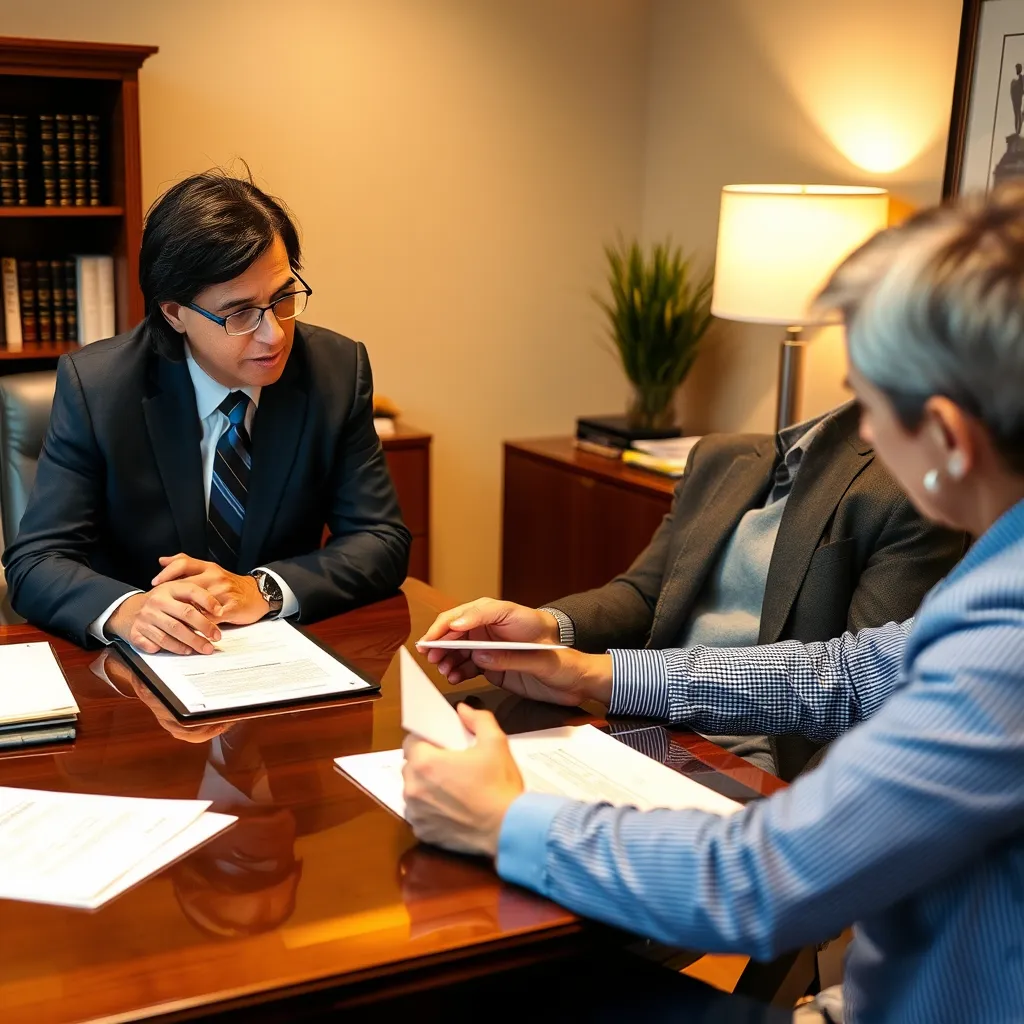
Note: This article is confirmed by Law Offices Of SRIS, P.C.
WRITTEN BY: Mr. Sris
Since 1997, Mr. Sris has led the firm, focusing on the most challenging criminal and family law cases… His background in accounting and information management aids in financial and technology-related cases… Involved in significant legislative changes in Virginia.
Insight: My focus since founding the firm in 1997 has always been directed towards personally handling the most challenging and involved criminal and family law matters our clients face.
Insight: I find my background in accounting and information management provides a unique advantage when handling the intricate financial and technological aspects inherent in many modern legal cases.
Insight: As someone deeply involved in the community, I believe it’s important to not only practice law but also to actively participate in shaping it, which is why I dedicated effort towards amending Virginia Code § 20-107.3 and achieving state recognition for cultural milestones.
parenting time lawyer Stafford VA
What is parenting time attorney Stafford VA
Parenting time arrangements form the practical framework for how separated or divorced parents share time with their children. These schedules specify when children will be with each parent, including regular weekly patterns, holiday rotations, summer vacation periods, and special occasions like birthdays. The arrangements consider children’s ages, school schedules, extracurricular activities, and parents’ work commitments. Parenting time attorney Stafford VA services help families develop schedules that work for everyone involved while keeping children’s best interests as the primary focus.
Developing parenting time arrangements involves several steps. First, parents assess their children’s needs and routines. Next, they consider practical factors like work schedules, school locations, and transportation logistics. Then, they create a detailed schedule covering regular time, holidays, and special situations. Finally, the arrangement gets documented in a formal agreement or court order. Legal professionals help ensure these documents comply with Virginia requirements and address potential future issues.
When disagreements arise about parenting time, several options exist. Parents can negotiate directly, use mediation services, or seek court intervention. Virginia courts consider multiple factors when establishing parenting time, including children’s relationships with each parent, parents’ ability to cooperate, children’s preferences (depending on age), and any history of family violence. Legal representation helps present your position effectively and protect your relationship with your children.
Professional legal assistance provides valuable perspective on parenting time matters. Attorneys understand Virginia’s legal standards and court expectations. They help develop realistic schedules that courts are likely to approve. Legal professionals also ensure agreements include necessary provisions for modifications, communication methods between parents, and dispute resolution processes. This comprehensive approach helps create sustainable arrangements that support children’s stability.
Reality Check: Parenting time arrangements require ongoing flexibility as children grow and circumstances change. What works for a five-year-old may not suit a teenager.
How to parenting schedule lawyer Stafford VA
Creating effective parenting schedules requires careful planning and consideration of multiple factors. The process begins with understanding children’s current routines, including school schedules, extracurricular activities, medical needs, and social commitments. Parents then assess their own availability, work schedules, and living arrangements. A parenting schedule lawyer Stafford VA helps balance these factors to create practical arrangements that minimize disruption to children’s lives while allowing meaningful time with both parents.
The schedule development process follows specific steps. First, establish regular weekly patterns that provide consistency for children. Next, create holiday and school break schedules that alternate or share special times. Then, address transportation logistics and exchange procedures. Finally, include provisions for communication between parents about schedule changes or children’s needs. Legal professionals help ensure all necessary elements are included and properly documented.
When developing parenting schedules, several strategies help create successful arrangements. Consider creating different schedules for school years versus summer breaks. Include detailed provisions for holidays, birthdays, and family traditions. Address how schedule changes will be handled and what notice periods apply. Establish clear communication methods for sharing information about children’s activities, health, and education. Legal guidance helps anticipate potential issues and include appropriate solutions in the agreement.
Professional insight into parenting schedules recognizes that children’s needs change as they grow. Schedules that work for young children may need adjustment as they enter school, develop extracurricular interests, or reach adolescence. Legal professionals help create agreements that include modification processes and review periods. They also ensure schedules comply with Virginia’s emphasis on children’s best interests and both parents’ involvement when appropriate.
Straight Talk: Detailed schedules prevent misunderstandings but require regular review as children’s activities and needs evolve over time.
Can I modify parenting time arrangements
Parenting time arrangements are not necessarily permanent and can be modified when circumstances change substantially. Virginia law allows modifications when there has been a material change in circumstances affecting children’s best interests. Common reasons for modification include parental relocation, changes in work schedules, children’s developmental needs, health issues, or changes in school arrangements. A parenting time attorney helps assess whether changes justify modification and guides the process appropriately.
The modification process involves specific steps. First, document the changed circumstances and how they affect the current arrangement. Next, attempt to reach agreement with the other parent if possible. If agreement cannot be reached, file a petition with the court requesting modification. Present evidence showing the material change and how the proposed modification serves children’s best interests. Legal representation helps prepare the necessary documentation and present your case effectively.
Several strategies support successful modification requests. Gather documentation of the changed circumstances, such as new work schedules, medical records, or school information. Demonstrate how the current arrangement no longer works effectively. Propose specific, detailed alternative arrangements. Show how the modification maintains or improves children’s stability and relationships with both parents. Legal professionals help develop compelling arguments that address Virginia’s legal standards for modifications.
Professional perspective on modifications recognizes that children’s needs evolve over time. What worked when children were young may not suit their adolescent schedules and activities. Regular review of parenting arrangements helps ensure they continue serving children’s best interests. Legal guidance helps determine when modifications are appropriate and how to pursue them effectively while minimizing conflict and disruption to children’s lives.
Blunt Truth: Courts generally prefer stability but will consider modifications when changes significantly affect children’s wellbeing or the arrangement becomes unworkable.
Why hire legal help for parenting time matters
Legal assistance offers valuable support for parenting time matters by providing understanding of Virginia’s legal framework. Professionals know how courts interpret children’s best interests standards and what factors influence decisions. They help develop arrangements that courts are likely to approve while serving children’s needs. Legal guidance ensures agreements include necessary provisions for enforcement, modification, and dispute resolution. This comprehensive approach helps create sustainable arrangements that support family relationships.
The process of obtaining legal help involves several benefits. First, attorneys help assess your situation and identify important issues. Next, they assist in developing proposed arrangements that address children’s needs and practical considerations. Then, they provide negotiation support or court representation as needed. Finally, they ensure proper documentation of agreements or court orders. This structured approach helps achieve arrangements that work effectively for all family members.
Legal professionals employ specific strategies for parenting time matters. They help gather necessary documentation about children’s needs and family circumstances. They develop proposed schedules that balance consistency with flexibility. They anticipate potential issues and include appropriate solutions in agreements. They provide guidance on communication methods between parents and dispute resolution processes. This proactive approach helps prevent future conflicts and supports successful implementation of parenting arrangements.
Professional insight recognizes that parenting time matters involve both legal and emotional considerations. Legal help provides objective perspective while advocating for your relationship with your children. Professionals understand how to present information effectively to courts and negotiate constructively with other parties. They help focus discussions on children’s needs rather than parental conflicts. This approach supports development of arrangements that prioritize children’s wellbeing and family relationships.
Reality Check: Legal help provides structure and guidance during emotionally challenging situations, helping focus on practical solutions rather than conflicts.
FAQ:
What factors affect parenting time decisions in Virginia?
Courts consider children’s relationships with each parent, parents’ ability to cooperate, children’s preferences based on age, and any history of family violence or substance abuse issues.
How are holiday schedules typically arranged?
Holidays often alternate between parents each year or divide specific holidays. Some families create schedules that include both parents for certain celebrations when appropriate.
Can parenting time arrangements include both parents living nearby?
Yes, arrangements can include both parents living in the same area. Schedules typically detail regular time, transportation, and communication methods between households.
What happens if a parent violates parenting time arrangements?
Violations may lead to enforcement actions. Options include mediation, contempt proceedings, or modification requests depending on the nature and frequency of violations.
How do school schedules affect parenting time?
School schedules influence weekday arrangements, homework routines, and extracurricular activities. Arrangements typically address school nights, homework time, and transportation to activities.
Can parenting time be supervised in some situations?
Yes, courts may order supervised time when safety concerns exist. Supervision ensures children’s wellbeing while maintaining parent-child relationships.
How are summer vacation schedules typically handled?
Summer schedules often include extended time blocks with each parent. Arrangements may alternate years or divide summer weeks between parents.
What if parents cannot agree on parenting time arrangements?
When parents cannot agree, courts make decisions based on children’s best interests. Mediation services may help reach agreement before court intervention.
How do parenting time arrangements address children’s medical needs?
Arrangements include provisions for medical care, insurance information sharing, and decision-making processes for healthcare matters affecting children.
Can parenting time arrangements be modified easily?
Modifications require showing substantial change in circumstances. Minor adjustments may be agreed upon, while significant changes typically need court approval.
How do parenting time arrangements work with long-distance situations?
Long-distance arrangements include extended visits during school breaks, summer vacations, and scheduled communication between visits.
What documentation is needed for parenting time agreements?
Documentation includes detailed schedules, holiday arrangements, transportation plans, communication methods, and provisions for modifications and dispute resolution.
Past results do not predict future outcomes