
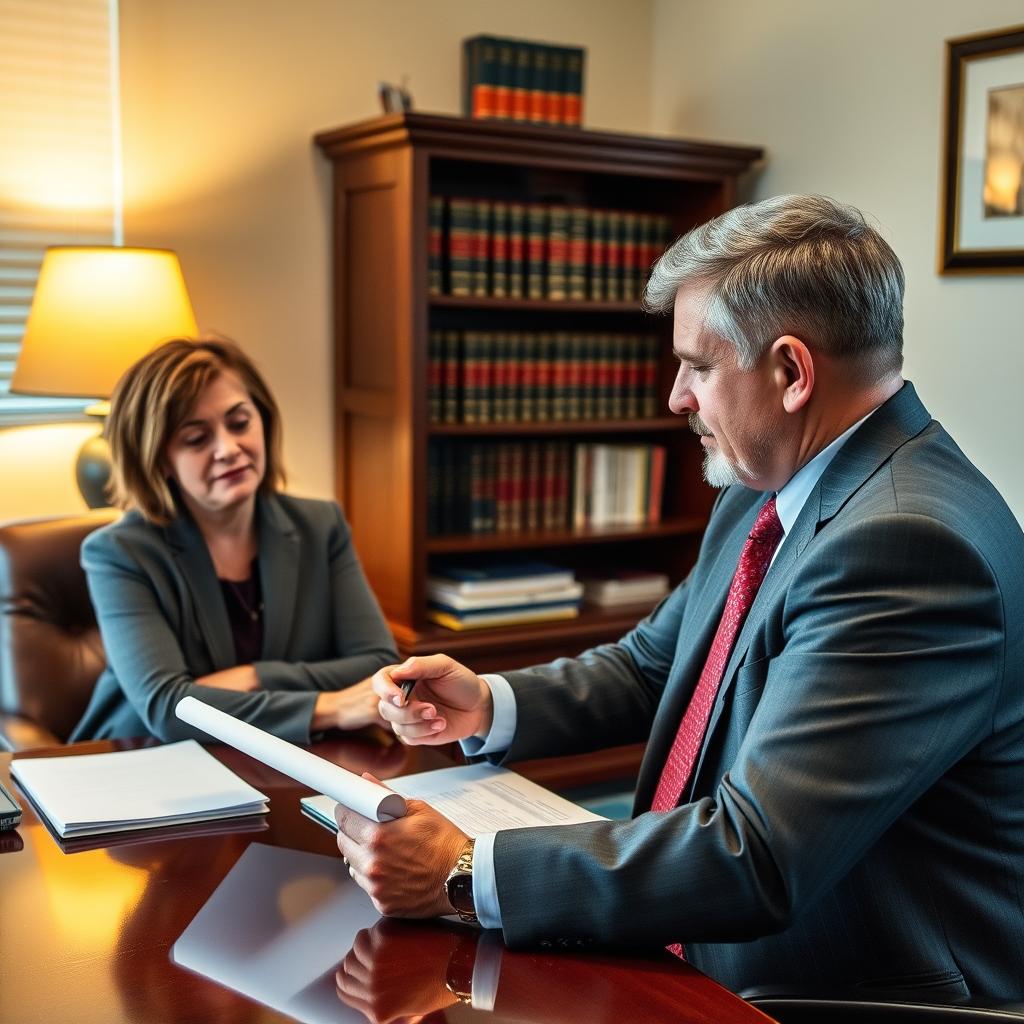
Military Divorce Lawyer Rockingham County, VA
You are a service member stationed halfway around the world, or the civilian spouse of someone who is. Your marriage is ending, and you need a divorce that respects military pay, pension rights, and parenting time across deployments. The case will be heard at the Rockingham County Circuit Court, 53 Court Square, Harrisonburg, Virginia. Mr. Sris and his Of Counsel at Law Offices Of SRIS, P.C. represent military families in Rockingham County divorces. Call (888) 437-7747 to request a consultation. Law Offices Of SRIS, P.C. — Advocacy Without Borders.
What a Military Divorce Attorney Does for You in Rockingham County
A military divorce raises questions civilian divorces never touch. Who has jurisdiction when one spouse is stationed out of state? How do you divide a military pension that hasn’t vested yet? Can a deployed parent get custody? Mr. Sris and his Of Counsel work through these issues methodically. They can help you determine where the divorce should be filed, enforce the Servicemembers Civil Relief Act (SCRA) to stay proceedings when your military duties prevent you from participating, and calculate the marital share of retired pay under the Uniformed Services Former Spouses’ Protection Act (USFSPA). For spouses who live near James Madison University, Harrisonburg, or the rural communities of Rockingham County, the firm’s Shenandoah Location is available by appointment.
Because the Rockingham County Circuit Court has exclusive jurisdiction over divorce, temporary motions for support and custody can be filed early to stabilize the home front while the case moves forward. Mr. Sris and his Of Counsel prepare separation agreements that anticipate deployment, relocation, and future pension elections, ensuring the final decree works long after the ink dries.
The Military Divorce Process in Rockingham County
Every military divorce starts with a Complaint for Divorce filed in the Circuit Court at 53 Court Square. The filing fee is set by the court, and the complaint must state the grounds recognized by Virginia law—no-fault after a separation period or fault-based, such as adultery or cruelty. If the service member is unable to appear because of duty, the SCRA allows the court to appoint an attorney to represent their interests or to postpone the hearing. The court can issue pendente lite orders for spousal support, child support, and custody while the divorce is pending.
One of the most complex areas is the division of military retired pay. Virginia is an equitable distribution state, meaning the court divides marital property fairly—not necessarily equally. A military pension earned during the marriage is marital property. Mr. Sris and his Of Counsel work with the Defense Finance and Accounting Service (DFAS) and, when needed, a qualified domestic relations order (QDRO) attorney to ensure the pension division is enforceable. The process typically moves as quickly as the court’s calendar permits, though contested issues such as custody or the classification of pre-marital benefits can extend the timeline.
How a Military Divorce Affects Your Benefits and Future
Beyond the division of property, a military divorce can alter health care coverage, survivor benefits, and even base access. After the divorce, a former spouse may retain TRICARE coverage if the marriage lasted long enough to meet federal requirements. The service member’s obligation to provide support continues under Virginia’s statutory factors, but the amount and duration differ from a civilian case when considering variable income like Basic Allowance for Housing (BAH) or hazardous duty pay.
The SCRA also shields service members from default judgments—if you are on active duty and cannot appear in court, the judge cannot enter a decree against you without taking steps to protect your interest. Mr. Sris and his Of Counsel make sure those protections are invoked. For the civilian spouse, the firm asserts that military pay and allowances are fully disclosed and considered when setting support. Ultimately, the goal is a divorce order that holds up in both Virginia courts and before military pay administrators.
About Mr. Sris and His Of Counsel Team
Mr. Sris, Owner and Founder of Law Offices Of SRIS, P.C., is a former prosecutor who has practiced since 1997. He is admitted in Virginia, Maryland, the District of Columbia, New Jersey, and New York. Mr. Sris testified before the Virginia House Courts of Justice Committee in support of 2019 HB 635 (chief patron Del. David Bulova), a bill that revised the equitable distribution statute. His Of Counsel bring over 120 years of combined legal experience. Results may vary. Mr. Sris and his Of Counsel have documented 4,739+ case results across all practice areas since 1997.
Frequently Asked Questions About Military Divorce in Rockingham County
Can a deployed service member get divorced in Rockingham County?
Yes. Virginia law does not require that a spouse be physically present to file for divorce. A deployed service member meets the residency requirement if they were domiciled in Virginia for at least six months before filing. The SCRA allows the court to stay the proceedings until the service member can participate. For a consultation about your specific situation, reach Law Offices Of SRIS, P.C. at (888) 437-7747.
How is a military pension divided in a Virginia divorce?
Virginia treats the portion of a military pension earned during the marriage as marital property subject to equitable distribution. The court considers factors like the length of the marriage and each spouse’s contributions to the career. For direct payment from DFAS, additional requirements involving the marriage overlapping with military service must be met. Mr. Sris and his Of Counsel prepare orders that comply with the USFSPA so that the division is enforceable after the divorce.
Does Virginia’s equitable distribution apply to military retirement?
Yes. The Rockingham County Circuit Court treats military retirement as deferred compensation. The marital share is the portion earned from the date of marriage to the date of separation. The court may award a percentage of that share to the non‑service‑member spouse. To discuss how your pension may be handled, contact Law Offices Of SRIS, P.C. at (888) 437-7747.
How does deployment affect child custody?
Deployment does not automatically end a parent’s custody rights. Virginia law allows a court to enter a temporary custody order during deployment that preserves the deployed parent’s relationship with the child. The court must consider the best interests of the child, and active duty is one factor among many. A temporary order can be modified once the service member returns.
What is the Servicemembers Civil Relief Act (SCRA) and how does it apply?
The SCRA is a federal law that protects active‑duty service members from certain civil proceedings. In a Virginia divorce, it allows a service member to request a stay of at least 90 days if military duties materially affect their ability to respond. The stay can be extended. The SCRA also prohibits a default judgment without the appointment of an attorney to represent the service member’s interests.
Do I need a lawyer for a military divorce in Rockingham County?
While you are not required to hire a lawyer, military divorces involve jurisdiction questions, the SCRA, and pension division rules that are not present in ordinary divorces. Mr. Sris and his Of Counsel have experience with these issues and practice regularly in the Rockingham County Circuit Court. For a consultation, call (888) 437-7747.
For a full statutory breakdown of Virginia divorce laws, see our comprehensive analysis on srislawyer.com. | Harrisonburg Divorce Lawyer | Shenandoah County Divorce Lawyer
Our Shenandoah Location serves Rockingham County:
505 N Main St, Suite 103, Woodstock, VA 22664
By appointment. Call (888) 437-7747 to schedule.
Attorney advertising. Prior results do not guarantee a similar outcome. Results may vary. Case results depend on a variety of factors unique to each case.