
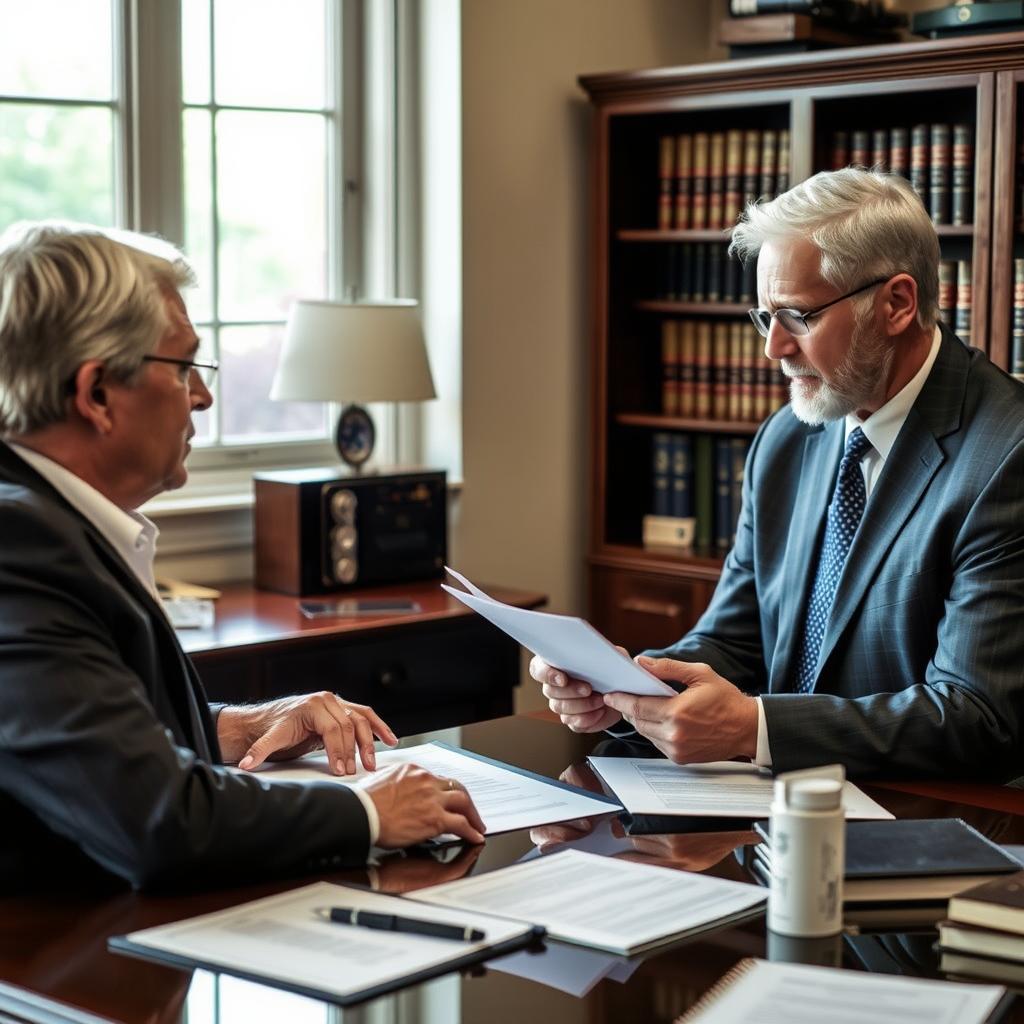
Marital Property Lawyer Rappahannock County, VA
When a marriage ends in Rappahannock County, Virginia, the division of property can be one of the most significant financial decisions a person faces. Under Virginia Code § 20‑107.3, courts apply equitable distribution—not an automatic 50‑50 split—to marital assets and debts. Whether you own a home in Washington, a farm near Sperryville, a retirement account, or own a business in Flint Hill, the outcome turns on how the court classifies and values each holding. Mr. Sris, Owner and Founder of Law Offices Of SRIS, P.C., has concentrated his practice on family law since 1997. He and his Of Counsel team represent individuals throughout Rappahannock County in marital property cases, from their Fairfax Location by appointment. For a confidential consultation, call (888) 437‑7747. Law Offices Of SRIS, P.C. – Advocacy Without Borders.
What Marital Property Law Means in Rappahannock County, Virginia
Rappahannock County sits within Virginia’s Twentieth Judicial District, and all divorce and property division matters are heard by the Rappahannock County Circuit Court at 250 Gay Street, Suite 1, in Washington, Virginia. The county’s rural character—it borders Shenandoah National Park—can mean estates include farmland, timber interests, or small‑business assets that require careful valuation. Virginia is an equitable distribution state. Unlike community‑property jurisdictions, the court does not simply divide everything in half. Instead, it first classifies property as marital (acquired during the marriage, other than by gift or inheritance), separate (owned before the marriage or received as a gift or inheritance), or hybrid (part marital, part separate). Only after classification and valuation does the court distribute the marital estate according to 11 statutory factors set out in Va. Code § 20‑107.3.
Those factors include the duration of the marriage, each spouse’s monetary and non‑monetary contributions, the age and health of the parties, how and when property was acquired, and the tax consequences of a proposed division. Because the factors are flexible, the result in one Rappahannock County case may differ from a similar case elsewhere, underscoring the importance of working with counsel who understands how local courts apply the statute.
How Mr. Sris and His Of Counsel Handle Marital Property Cases
Mr. Sris and his Of Counsel begin each marital property matter by identifying all assets and debts, distinguishing marital from separate property, and valuing the marital estate. They routinely work with forensic accountants, business valuation professionals, and real‑estate appraisers when an estate includes a closely held business, professional practice, intellectual property, or complex retirement accounts. Their aim is to present the court with a clear, credible picture of the marital estate, whether through informal negotiation, a property settlement agreement, or litigation.
Virginia law allows parties to resolve property issues by a written separation agreement that the court may incorporate into the final divorce decree. Mr. Sris and his Of Counsel work toward a negotiated resolution when that aligns with the client’s goals; when it does not, they try the matter in the Rappahannock County Circuit Court. Their approach is shaped by the knowledge that the equitable‑distribution factors give the court broad discretion, and that thorough preparation often influences the final result.
About Mr. Sris and His Of Counsel Team
Mr. Sris is a former prosecutor who founded Law Offices Of SRIS, P.C. in 1997. Admitted in Virginia, Maryland, the District of Columbia, New Jersey, and New York, he has represented individuals in family law matters for more than 28 years. Mr. Sris testified before the Virginia House Courts of Justice Committee in support of 2019 HB 635 (chief patron Del. David Bulova). Together with his Of Counsel, the team brings over 120 years of combined legal experience and has achieved 4,739+ documented firm-wide results. Results may vary.
Frequently Asked Questions
How is marital property divided in Rappahannock County, Virginia?
Marital property in Rappahannock County is divided under Virginia’s equitable‑distribution statute, Va. Code § 20‑107.3. The court does not automatically split assets 50‑50. Instead, it classifies property as marital, separate, or part‑marital, values each item, and then distributes the marital share after weighing 11 statutory factors—including the length of the marriage, each spouse’s contributions both financial and as homemaker, and the tax consequences of a proposed division. Because the factors are broad, the result is highly fact‑specific. For guidance on your particular property settlement, reach Law Offices Of SRIS, P.C. at (888) 437‑7747.
What is the difference between marital and separate property under Virginia law?
Under Va. Code § 20‑107.3, marital property generally includes everything acquired by either spouse during the marriage, regardless of whose name is on the title, except property received by gift from a third party or by inheritance. Separate property consists of assets owned before the marriage and gifts or inheritances received during the marriage. Property that has both marital and separate components—for example, a business started before the marriage that grew during it—is classified as hybrid, and the court must determine the marital share. Proper classification is often the most contested issue in a Rappahannock County divorce. To discuss the specifics of your case, contact Law Offices Of SRIS, P.C. at (888) 437‑7747.
Does Virginia require a 50/50 split of marital assets?
No. Virginia is not a community‑property state. Equitable distribution means fair, not necessarily equal. The Rappahannock County Circuit Court can award a larger share of marital property to one spouse when the statutory factors support it—for instance, a long marriage where one spouse sacrificed career opportunities to raise children or support the other’s education. The court has broad discretion, and the final division often hinges on the quality of the evidence presented. For an assessment of how the factors may apply in your situation, reach Mr. Sris and his Of Counsel at (888) 437‑7747.
How long does the property division process take in Rappahannock County?
The timeline depends on the complexity of the marital estate and the court’s docket. An uncontested divorce in which the parties have signed a comprehensive property settlement agreement may be finalized relatively quickly after the mandatory separation period. A contested case involving business valuation, retirement‑plan division, and disputes over classification can last many months and sometimes more than a year. Because Rappahannock County shares judges with neighboring circuits, hearing dates are scheduled on the court’s calendar. Working with experienced counsel can help move the matter forward efficiently. For a consultation, call (888) 437‑7747.
What if my spouse is hiding assets during the divorce?
If one party suspects hidden assets, the discovery process—formal requests for documents, interrogatories, and depositions—can uncover information about bank accounts, investment holdings, business income, or transfers to third parties. When necessary, Mr. Sris and his Of Counsel engage forensic accountants to trace assets and determine true income. Virginia law allows the court to consider a spouse’s dissipation of assets when dividing the marital estate. Prompt action is important; the longer the delay, the harder it can be to locate and value assets. To discuss the details of your matter, reach Law Offices Of SRIS, P.C. at (888) 437‑7747.
Do I need a lawyer to help with a marital property settlement in Rappahannock County?
You are not required to have a lawyer, but the equitable‑distribution statute is complex, and a property settlement agreement that is not carefully drafted can lead to unintended tax consequences, missed assets, or later enforcement issues. An experienced family law attorney can help you understand what a fair division looks like under the 11 statutory factors, ensure that all assets are properly valued, and draft an agreement that the court will accept. Even in an amicable divorce, independent legal review protects your long‑term financial interests. For a confidential consultation, call Mr. Sris and his Of Counsel at (888) 437‑7747.
Related family law services for nearby areas: Fairfax County · Fairfax City · Falls Church City · Prince William County · Manassas City.
Primary sources: Virginia Code § 20‑107.3 (Equitable Distribution) · Virginia Judicial System.
Attorney advertising. Prior results do not guarantee a similar outcome. Case results depend on a variety of factors unique to each case. Results may vary.