
Note: This article is confirmed by Law Offices Of SRIS, P.C.
AUTHOR BIO:WRITTEN BY
Since 1997, Mr. Sris has led the firm, focusing on the most challenging criminal and family law cases. His background in accounting and information management aids in financial and technology-related cases. Involved in significant legislative changes in Virginia. My focus since founding the firm in 1997 has always been directed towards personally handling the most challenging and involved criminal and family law matters our clients face.
Guardianship Lawyer Arlington VA
What is Guardianship
Guardianship represents a legal framework where courts grant decision-making authority to responsible individuals for those who cannot manage their own affairs. This system protects vulnerable populations including minors without parental care, adults with disabilities, and elderly individuals facing cognitive decline. The legal foundation varies by state but generally follows similar principles of protection and oversight.
The appointment process begins with a petition to the appropriate court, typically in the jurisdiction where the proposed ward resides. Petitioners must demonstrate the individual’s incapacity through medical evidence or other documentation. Courts examine whether less restrictive alternatives exist before granting full guardianship authority. This careful evaluation ensures rights are protected while providing necessary support.
Guardians assume significant responsibilities including healthcare decisions, living arrangements, and financial management. They must maintain detailed records and submit regular reports to the court. These requirements ensure transparency and accountability in all actions taken on behalf of the ward. The guardian’s primary duty remains acting in the ward’s best interests at all times.
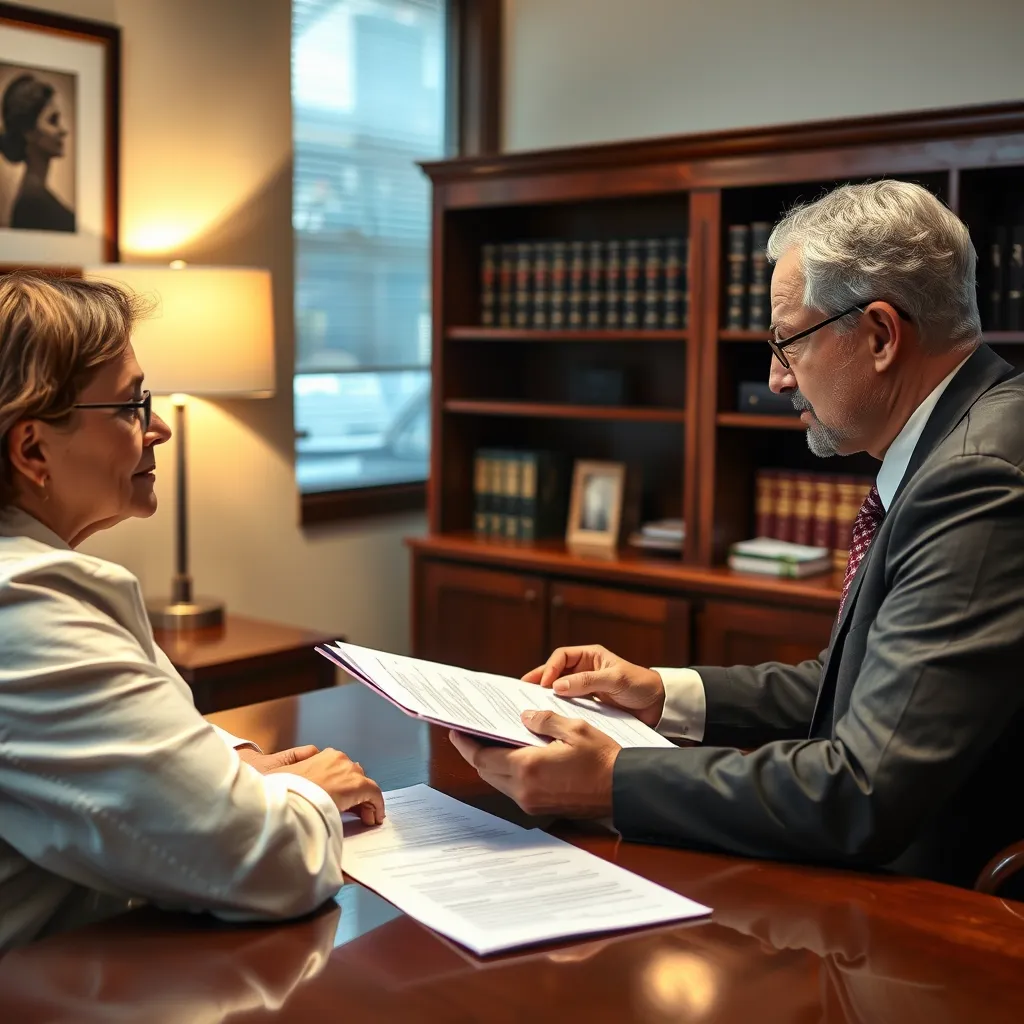
Professional legal guidance helps handle the intricate requirements of guardianship proceedings. Attorneys assist with proper documentation, court appearances, and compliance with ongoing obligations. Law Offices Of SRIS, P.C. has locations in Arlington, VA. Their experience with local courts and procedures provides valuable support throughout the guardianship process.
How to Establish Guardianship
The guardianship establishment process follows specific legal steps designed to protect all parties involved. Initial consultation with legal counsel helps determine whether guardianship represents the appropriate solution. Attorneys evaluate the situation and recommend the best course of action based on individual circumstances and available alternatives.
Petition preparation involves gathering comprehensive documentation including medical records, financial information, and personal background details. Courts require clear evidence demonstrating why guardianship becomes necessary. This evidence must show the individual cannot manage personal care, medical decisions, or financial affairs without assistance. Proper documentation strengthens the petition’s credibility.
Court proceedings include hearings where judges evaluate the evidence and hear testimony from relevant parties. Proposed guardians undergo background checks and may need to complete training requirements. The court considers the proposed guardian’s relationship to the ward, their capabilities, and their understanding of the responsibilities involved. Judges prioritize the ward’s best interests throughout the evaluation.
Following appointment, guardians receive official documentation of their authority. This documentation allows them to make medical decisions, manage finances, and handle other responsibilities on behalf of the ward. They must establish systems for record-keeping and prepare for regular court reporting. These systems ensure proper management of the ward’s affairs.
Legal representation throughout this process helps address potential challenges and ensures compliance with all requirements. Attorneys guide clients through each step while protecting their rights and interests. Their knowledge of local court procedures and requirements proves invaluable for successful guardianship establishment.
Can I Obtain Emergency Guardianship
Emergency guardianship addresses situations requiring immediate intervention to protect vulnerable individuals from harm. Courts recognize circumstances where delay could result in serious injury, financial loss, or other significant damage. These temporary arrangements provide protection while standard guardianship proceedings move forward through the regular court system.
Qualifying circumstances include medical emergencies where immediate decisions become necessary, situations involving imminent danger, or cases where assets face immediate risk. Petitioners must demonstrate the urgency through clear evidence and documentation. Courts evaluate whether the situation justifies bypassing standard procedures for faster intervention to prevent harm.
The emergency petition process involves filing specific documentation outlining the urgent circumstances. Courts typically schedule hearings quickly, sometimes within days or even hours in extreme cases. Judges review the evidence and determine whether temporary guardianship authority should be granted. These decisions focus on immediate protection needs while preserving rights through subsequent proceedings.
Emergency guardians receive limited authority specifically related to the urgent circumstances. Their powers typically expire after a short period, often 30-90 days, unless extended by the court. During this period, standard guardianship petitions should proceed through normal channels. The emergency arrangement bridges the gap until permanent solutions become established.
Legal assistance proves particularly valuable for emergency situations where timing and proper documentation become important. Attorneys help prepare urgent petitions, gather necessary evidence, and present compelling cases to the court. Their experience with emergency procedures helps ensure proper handling of time-sensitive matters while protecting all legal rights involved.
Why Hire Legal Help for Guardianship
Professional legal representation provides significant advantages throughout guardianship proceedings. Attorneys bring knowledge of specific court requirements, documentation standards, and procedural rules that vary by jurisdiction. Their experience helps clients understand what to expect at each stage while preparing them for potential challenges that may arise during the process.
Documentation preparation represents a important aspect where legal guidance proves valuable. Proper petitions require specific information presented in formats courts expect. Attorneys ensure all necessary evidence gets included while avoiding common errors that could delay proceedings. Their attention to detail helps create strong cases that address all legal requirements comprehensively.
Court appearances benefit from professional representation through proper procedure understanding and effective communication with judges. Attorneys present cases clearly while addressing any questions or concerns the court may raise. Their familiarity with local judges and court personnel helps facilitate smoother proceedings and better understanding of expectations.
Ongoing compliance requirements after guardianship establishment involve regular reporting and potential court reviews. Legal counsel helps establish proper systems for record-keeping and prepares required documentation for submission. Their guidance ensures guardians meet all obligations while maintaining proper protection for the ward’s interests throughout the arrangement’s duration.
involved situations involving contested proceedings or unusual circumstances particularly benefit from professional legal support. Attorneys develop strategies addressing specific challenges while protecting their clients’ positions. Their objective perspective helps make decisions focused on the ward’s best interests while managing emotional aspects that often accompany guardianship situations.
FAQ:
1. What does a guardianship lawyer do?
A guardianship lawyer helps establish legal authority to make decisions for someone unable to manage their own affairs. They handle court petitions, documentation, and ongoing compliance requirements.
2. How long does guardianship take to establish?
The process typically takes several weeks to months depending on court schedules and case challenge. Emergency situations may move faster through temporary arrangements.
3. What evidence is needed for guardianship?
Courts require medical documentation, financial records, and evidence demonstrating the individual’s inability to manage personal or financial affairs independently.
4. Can guardianship be contested?
Yes, interested parties can contest guardianship petitions. Courts consider all evidence and testimony before making appointments.
5. What responsibilities does a guardian have?
Guardians manage healthcare decisions, living arrangements, and finances for the ward. They must maintain records and submit regular reports to the court.
6. How much does guardianship cost?
Costs vary based on case challenge and legal fees. Court filing fees and potential evaluation expenses also apply in many cases.
7. Can guardianship be temporary?
Yes, temporary or emergency guardianship provides short-term protection. These arrangements typically last 30-90 days unless extended by the court.
8. What alternatives to guardianship exist?
Less restrictive options include powers of attorney, healthcare directives, and supported decision-making agreements when appropriate for the situation.
9. How often must guardians report to court?
Reporting requirements vary but typically involve annual accounts and periodic reviews. Courts may require more frequent reporting in certain situations.
10. Can a guardian be removed?
Yes, courts can remove guardians for misconduct, neglect, or failure to fulfill responsibilities. Proper procedures must be followed for removal.
11. What happens if a guardian cannot continue?
Courts appoint successor guardians when original guardians can no longer serve. Proper planning helps ensure smooth transitions.
12. Does guardianship end automatically?
Guardianship typically continues until the ward regains capacity, reaches adulthood, or passes away. Court orders are needed to terminate arrangements.
Past results do not predict future outcomes