
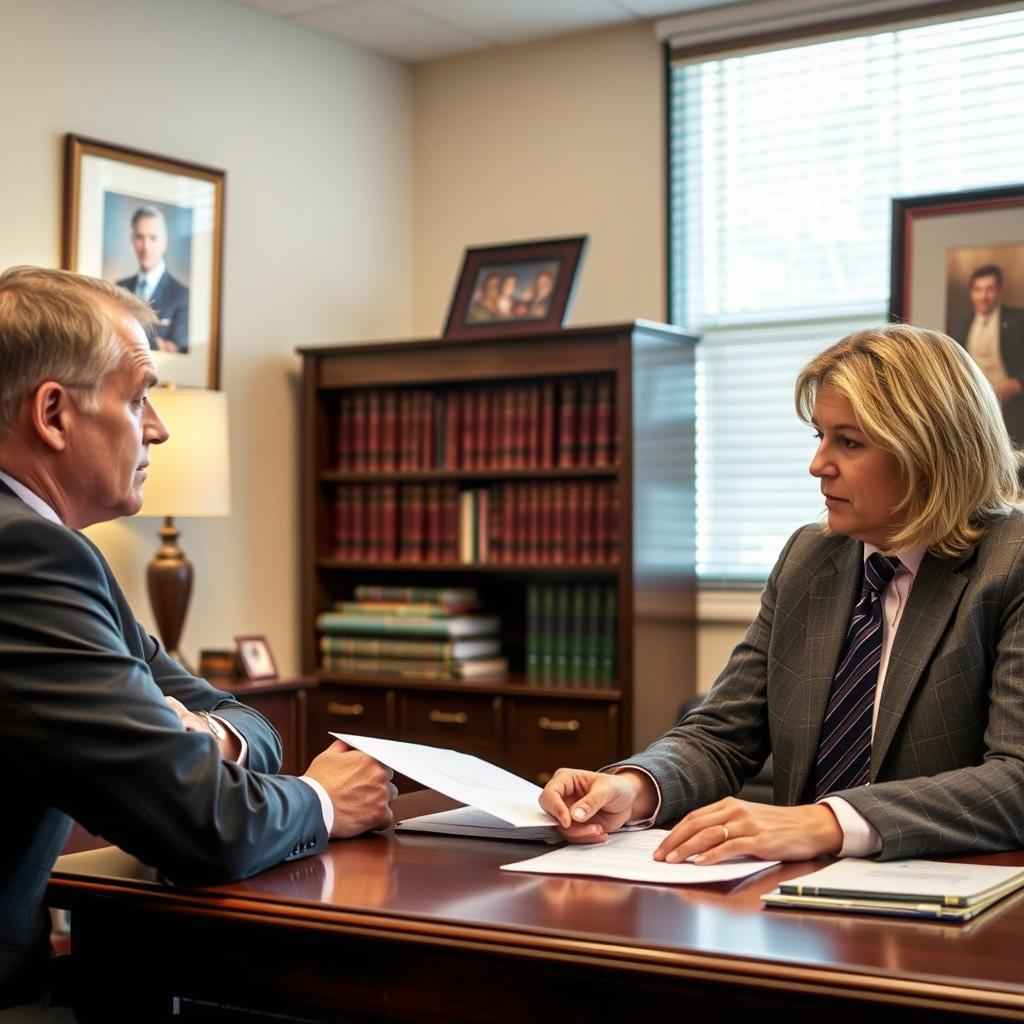
Felony Conviction Divorce Lawyer Stafford County, VA
Your spouse has been convicted of a serious crime and sentenced to years in prison. You are in Stafford County, Virginia, trying to understand whether you can file for divorce and what it means for your property, your children, and your future. You need clear answers from a lawyer who knows both the law and the local courts. Law Offices Of SRIS, P.C., through Mr. Sris and his Of Counsel, represents clients in fault-based divorce actions in Stafford County, including those grounded on a spouse’s felony conviction and imprisonment. Reach our firm at (888) 437-7747 to speak with an attorney about your situation. Law Offices Of SRIS, P.C. – Advocacy Without Borders.
Felony Conviction as a Fault Ground for Divorce in Stafford County
Virginia law provides several fault grounds for divorce, one of which is the conviction and imprisonment of a spouse for a felony. Under Va. Code § 20-91, a court may grant a divorce when a party “has been sentenced to confinement for a period of more than one year upon conviction of a felony, and such confinement is not suspended, or, if suspended, the party has been imprisoned for at least one year under the sentence.” This means you do not need to prove cruelty, desertion, or adultery if your spouse is serving time for a serious crime. The divorce can proceed without the separation periods required for no-fault divorce, which can significantly shorten the timeline.
The choice between asserting a fault ground and waiting to file on no-fault grounds after the required separation period depends on several factors. A fault-based divorce may be heard more quickly, but it also introduces the felony into the court record, which can influence decisions about property division, spousal support, and child custody. Mr. Sris and his Of Counsel interpret how Stafford County Circuit Court judges have previously weighed felony convictions in equitable distribution awards under Va. Code § 20-107.3, and they advise clients on the strategic path that best serves their long-term interests.
What to Expect When You File for Divorce Based on a Felony Conviction
The divorce process begins by filing a Complaint in the Stafford County Circuit Court, located at 1300 Courthouse Road, Stafford, VA 22554. This court has exclusive original jurisdiction over divorce actions in Virginia, while related matters such as custody, support, and protective orders may be heard in the Stafford County Juvenile & Domestic Relations District Court. Filing a fault-based divorce Complaint does not eliminate the requirement for proper service of process on the incarcerated spouse, and the firm’s Of Counsel attorneys coordinate service through the Virginia Department of Corrections or the facility where the spouse is held.
After the filing, the court may schedule a pendente lite hearing to address temporary child custody, visitation, and support issues. If both parties cannot agree, the case moves toward discovery and trial. Virginia is an equitable distribution state, meaning the court divides marital property based on fairness—not necessarily equally. The felony conviction and incarceration will likely be considered among the statutory factors a judge evaluates, including the cause of the dissolution, the contributions of each party, and any dissipation of assets. Because a felony conviction can affect spousal support under Va. Code § 20-107.1 and custody under the trusted-interests-of-the-child standard in Va. Code § 20-124.3, representation familiar with how these statutes intersect is important. At the Stafford County Circuit Court, a corroborating witness is typically required for an uncontested divorce hearing, and the firm’s Of Counsel attorneys prepare clients for that step so the final decree can be entered cleanly.
The approximately Stafford County Circuit Court filing fee and service by the sheriff’s office cost can vary, though these figures can change. When a settlement agreement is reached, the court will review and incorporate it into the final divorce decree, resolving division of assets, support, and custody in one order. Mr. Sris and his Of Counsel handle each phase of this process, from the initial interview through the entry of the final decree.
Legal Impact of a Felony Conviction on Property, Support, and Custody
A felony conviction during a marriage can have far-reaching consequences beyond the criminal sentence. In a divorce, Virginia judges consider the circumstances that led to the dissolution when dividing marital property. A conviction that resulted in incarceration, loss of income, or dissipation of marital funds to pay legal fees can tilt a court’s equitable distribution award. Spousal support determinations also consider the parties’ conduct and the financial impact of a spouse’s imprisonment. If the conviction involved violence, child abuse, or drug-related activity, it will be highly relevant to custody and visitation decisions, and the court may impose supervised visitation or deny contact entirely if it finds the child’s safety at risk.
Importantly, a fault-based divorce grounded on a felony conviction does not automatically award all property to the innocent spouse or guarantee a particular division. The analysis is case-specific. Mr. Sris and his Of Counsel explain how Stafford County judges have applied the Virginia Code’s factors in similar matters, helping you understand what a reasonable outcome may look like and whether negotiating a property settlement agreement outside of court is a viable option.
About Mr. Sris and the Firm’s Of Counsel Attorneys
Mr. Sris, Owner and Founder of Law Offices Of SRIS, P.C., is a former prosecutor who established the firm in 1997. He testified before the Virginia House Courts of Justice Committee in support of 2019 HB 635 (chief patron Del. David Bulova). The firm’s Of Counsel attorneys include practitioners with backgrounds in criminal prosecution, law enforcement, child protective services, and complex litigation—experience that is directly relevant when a divorce involves a felony conviction, intersecting criminal consequences, and asset valuation. Mr. Sris and the firm’s Of Counsel attorneys bring extensive combined legal experience to every representation. Results may vary. The firm’s Fairfax location serves clients throughout Stafford County, and appointments can be scheduled at a time that works for you.
Frequently Asked Questions About Felony Conviction Divorce in Stafford County
Can I get a divorce in Virginia if my spouse is in prison for a felony?
Yes. Virginia law allows a divorce when a spouse has been sentenced to confinement for more than one year upon conviction of a felony. The ground is found in Va. Code § 20-91. You may file a fault-based divorce Complaint in the Stafford County Circuit Court without waiting for any separation period. If the spouse has been imprisoned for at least one year under the sentence, the court can grant the divorce. The process requires proper service of process even if the spouse is incarcerated, and an attorney can guide you through the specific procedural requirements of the Stafford County court.
How long does a fault-based divorce take in Stafford County?
The timeline for a divorce grounded on a felony conviction varies by case complexity and the court’s calendar. Because a fault-based divorce does not require a lengthy separation period, the case can proceed more quickly than a no-fault divorce. However, if the defendant spouse contests the divorce or disputes property and custody matters, the litigation may extend over several months. Uncontested matters, where parties agree on all issues, can reach a final hearing and decree in a shorter timeframe. The court’s docket in Stafford County and the availability of witnesses for the corroboration hearing also affect scheduling.
Will a felony conviction affect how our property is divided?
Yes, a felony conviction can influence the court’s equitable distribution of marital property. Virginia judges consider the circumstances that led to the divorce, including the conviction and incarceration. Under Va. Code § 20-107.3, the court weighs factors such as the contributions of each spouse and any dissipation of assets. If the conviction resulted in significant legal expenses, loss of income, or misuse of marital funds, the innocent spouse may receive a larger share of the marital estate. However, the outcome depends on the specific facts, and the court retains broad discretion.
What happens to child custody if my co-parent is convicted of a felony?
A felony conviction, particularly one involving violence, abuse, or drugs, will be a serious consideration in a custody determination. The Stafford County Juvenile & Domestic Relations District Court, or the Circuit Court in a divorce action, applies the trusted-interests-of-the-child standard under Va. Code § 20-124.3. A parent’s felony history and the nature of the offense can affect both legal and physical custody, and the court may order supervised visitation or restrict contact. The firm’s Of Counsel attorneys can advise you on how past convictions factor into Virginia custody decisions and advocate for a parenting arrangement that protects your child.
Do I need a lawyer to file for a felony conviction divorce in Stafford County?
While you are not required to have a lawyer, handling a fault-based divorce involving a felony conviction and incarceration presents procedural and evidentiary challenges that experienced legal counsel can help you navigate. Proper service, the corroborating witness requirement, equitable distribution analysis, and interaction between the divorce and the criminal sentence are all complex. Mr. Sris and his Of Counsel are familiar with the Stafford County Circuit Court and the Virginia statutes that govern your case. To discuss your situation, reach Law Offices Of SRIS, P.C. at (888) 437-7747.
Family Law Resources in Stafford County and Virginia
- Family Law Lawyer Fairfax County
- Family Law Lawyer Prince William County
- Family Law Lawyer Fauquier County
- Family Law Lawyer Loudoun County
- Family Law Lawyer Arlington County
Virginia divorce grounds statute: Va. Code § 20-91 | Stafford County Circuit Court: Stafford Circuit Court
Law Offices Of SRIS, P.C. | Staff of the Fairfax Location, 4008 Williamsburg Court, Fairfax, VA 22032 | By appointment only. Call (888) 437-7747 to schedule a consultation.
Attorney advertising. Prior results do not guarantee a similar outcome.
Results may vary.
Case results depend on a variety of factors unique to each case.