
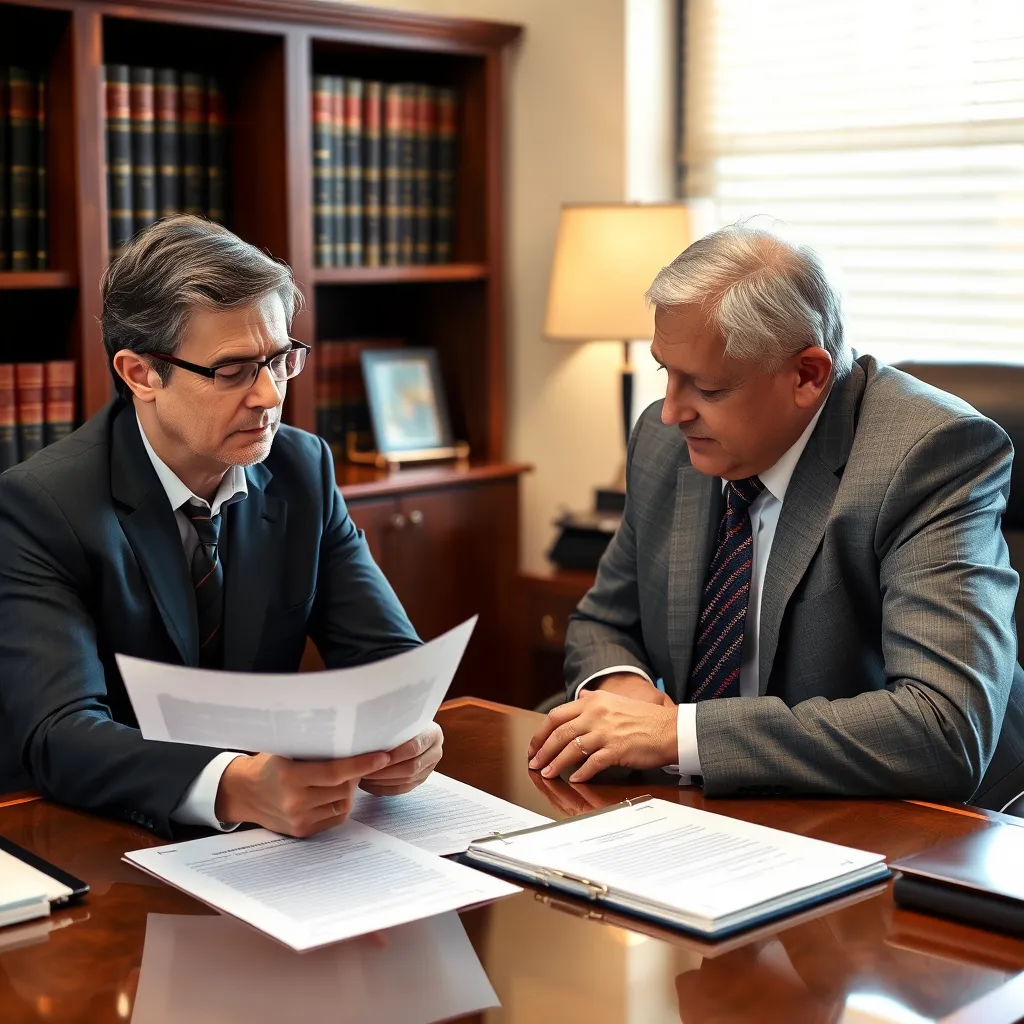
Note: This article is confirmed by Law Offices Of SRIS, P.C.
WRITTEN BY: Mr. Sris
Since 1997, Mr. Sris has led the firm, focusing on the most challenging criminal and family law cases… His background in accounting and information management aids in financial and technology-related cases… Involved in significant legislative changes in Virginia.
Insight: My focus since founding the firm in 1997 has always been directed towards personally handling the most challenging and involved criminal and family law matters our clients face.
Insight: I find my background in accounting and information management provides a unique advantage when handling the intricate financial and technological aspects inherent in many modern legal cases.
Insight: As someone deeply involved in the community, I believe it’s important to not only practice law but also to actively participate in shaping it, which is why I dedicated effort towards amending Virginia Code § 20-107.3 and achieving state recognition for cultural milestones.
Domesticating Foreign Divorce Decree Lawyer Arlington VA
What is Domesticating a Foreign Divorce Decree
Domesticating a foreign divorce decree involves the legal procedure of having a divorce judgment issued in another country recognized as valid and enforceable in Virginia. This process is essential for individuals who obtained divorces abroad but need the judgment to be effective for legal purposes in Virginia. The domestication converts the foreign decree into a Virginia court order that can be enforced locally.
The first step involves gathering all necessary documentation from the foreign court. This includes obtaining certified copies of the divorce decree, translations if needed, and proof of proper service. Virginia courts require evidence that both parties received adequate notice of the foreign divorce proceedings. The petition must demonstrate that the foreign court had proper jurisdiction over the case.
Virginia follows specific legal standards for recognizing foreign judgments. The court examines whether the foreign proceeding provided fundamental fairness, whether both parties had opportunity to be heard, and whether the judgment violates Virginia public policy. The process requires careful preparation of legal arguments showing compliance with these standards. Proper documentation and legal arguments are vital for successful domestication.
Legal guidance is important for this process because Virginia courts apply specific rules to foreign judgments. An attorney can help prepare the necessary filings, address potential challenges, and ensure all legal requirements are met. The domestication process establishes the divorce’s validity for all Virginia legal purposes, including property division enforcement and marital status recognition.
Straight Talk: This process has specific requirements that must be met exactly. Missing one document or procedural step can delay everything.
How to Domesticate a Foreign Divorce Decree in Virginia
The process begins with obtaining proper documentation from the foreign court. You need certified copies of the divorce decree, any court orders, and proof that both parties received proper notice. If documents are in another language, certified translations are required. These documents form the foundation of your petition to the Virginia court.
Next, you must prepare and file a petition in the appropriate Virginia circuit court. The petition should include all required documentation and legal arguments demonstrating why the foreign judgment should be recognized. The filing must comply with Virginia court rules regarding format, service requirements, and filing fees. Proper service on the other party is typically required unless waived.
The court will review the petition and documentation to determine if the foreign judgment meets Virginia’s recognition standards. Virginia courts consider whether the foreign court had proper jurisdiction, whether both parties had opportunity to be heard, and whether the judgment violates Virginia public policy. The court may schedule a hearing if there are questions or objections.
If the court approves the petition, it will issue an order domesticating the foreign divorce decree. This order makes the foreign judgment enforceable as a Virginia court order. The domesticated decree can then be used for all legal purposes in Virginia, including updating marital status, enforcing property divisions, and addressing any related legal matters.
Reality Check: Each step has deadlines and specific requirements. Court rules must be followed precisely to avoid delays or denial.
Can I Domesticate a Foreign Divorce Decree Without an Attorney
Technically, individuals can attempt to domesticate a foreign divorce decree without legal representation. However, this approach carries significant risks. Virginia’s legal requirements for foreign judgment recognition are specific and must be met precisely. The process involves understanding both Virginia court procedures and the standards for recognizing international judgments.
The main challenges include properly preparing legal documents, understanding court filing requirements, and presenting convincing legal arguments. Court forms must be completed correctly, filing fees paid, and proper service accomplished. Missing any procedural step can result in the petition being rejected or delayed. The court may require specific legal arguments demonstrating why the foreign judgment should be recognized.
Potential issues include improper documentation, inadequate proof of service, failure to address jurisdictional requirements, or missing deadlines. The court may require hearings or additional documentation. Without legal training, individuals may struggle to respond effectively to court requests or opposing arguments. Errors can lead to denial of the petition, requiring starting over.
Legal assistance provides important benefits for this process. An attorney understands the specific requirements, can prepare proper documentation, and can present effective legal arguments. They can address potential challenges and ensure compliance with all court rules. While there are costs associated with legal representation, these may be offset by avoiding delays, denials, or the need to restart the process.
Blunt Truth: The court won’t guide you through the process. Mistakes mean starting over, costing more time and money than hiring help initially.
Why Hire Legal Help for Decree Domestication
Legal assistance provides valuable guidance through Virginia’s specific requirements for foreign judgment recognition. An attorney understands the legal standards that must be met and can help gather and prepare the necessary documentation. They can ensure certified copies, translations, and proof of service meet court requirements. This preparation is vital for successful domestication.
Attorneys can prepare and file the petition correctly, following all court procedural rules. They understand filing deadlines, service requirements, and formatting standards. Proper filing avoids delays or rejection due to technical errors. Legal representation also means having someone who can respond to court requests, schedule hearings, and manage the procedural aspects efficiently.
When challenges arise, an attorney can provide effective responses. This might include addressing objections from the other party, responding to court questions, or providing additional documentation as needed. Legal representation helps present convincing arguments demonstrating why the foreign judgment should be recognized under Virginia law. This advocacy can be important for overcoming potential hurdles.
The benefits extend beyond the immediate domestication process. A domesticated decree becomes enforceable for all Virginia legal purposes. An attorney can help ensure the order is properly recorded and can be used for updating records, enforcing terms, or addressing related legal matters. Professional assistance provides confidence that the process has been handled correctly from start to finish.
Straight Talk: This isn’t just paperwork. It’s a legal proceeding with specific rules. Getting it right the first time saves time and prevents future problems.
FAQ:
What documents do I need to domesticate a foreign divorce decree?
You need certified copies of the foreign divorce decree, proof of proper service, and any required translations. Court filing forms are also necessary.
How long does the domestication process take?
The timeline varies but typically takes several weeks to months depending on court schedules and whether there are objections or hearings required.
Can any foreign divorce decree be domesticated in Virginia?
Virginia courts will only domesticate decrees that meet specific legal standards including proper jurisdiction, notice, and compliance with public policy.
What if my ex-spouse objects to the domestication?
If there are objections, the court may schedule a hearing to consider arguments from both sides before making a decision.
Do I need to appear in court for domestication?
Court appearances are not always required but may be necessary if there are questions, objections, or if the judge requests a hearing.
What happens after the decree is domesticated?
Once domesticated, the foreign decree becomes enforceable as a Virginia court order for all legal purposes in the state.
Can I domesticate only part of a foreign divorce decree?
Generally, the court considers the entire judgment. Partial domestication may be possible in specific circumstances with proper legal argument.
What if my documents are in another language?
Certified translations into English are required for any documents not originally in English that are submitted to the Virginia court.
How much does it cost to domesticate a foreign divorce decree?
Costs include court filing fees, document preparation, and potentially translation services. Legal representation adds additional costs.
What courts handle foreign divorce decree domestication in Virginia?
Virginia circuit courts handle foreign judgment domestication petitions. The specific court depends on jurisdictional requirements.
Can I speed up the domestication process?
Proper preparation and complete documentation can help avoid delays, but court schedules ultimately determine the timeline.
What if my foreign divorce was uncontested?
Uncontested divorces may simplify the process but still require demonstrating compliance with all Virginia recognition standards.
Past results do not predict future outcomes