
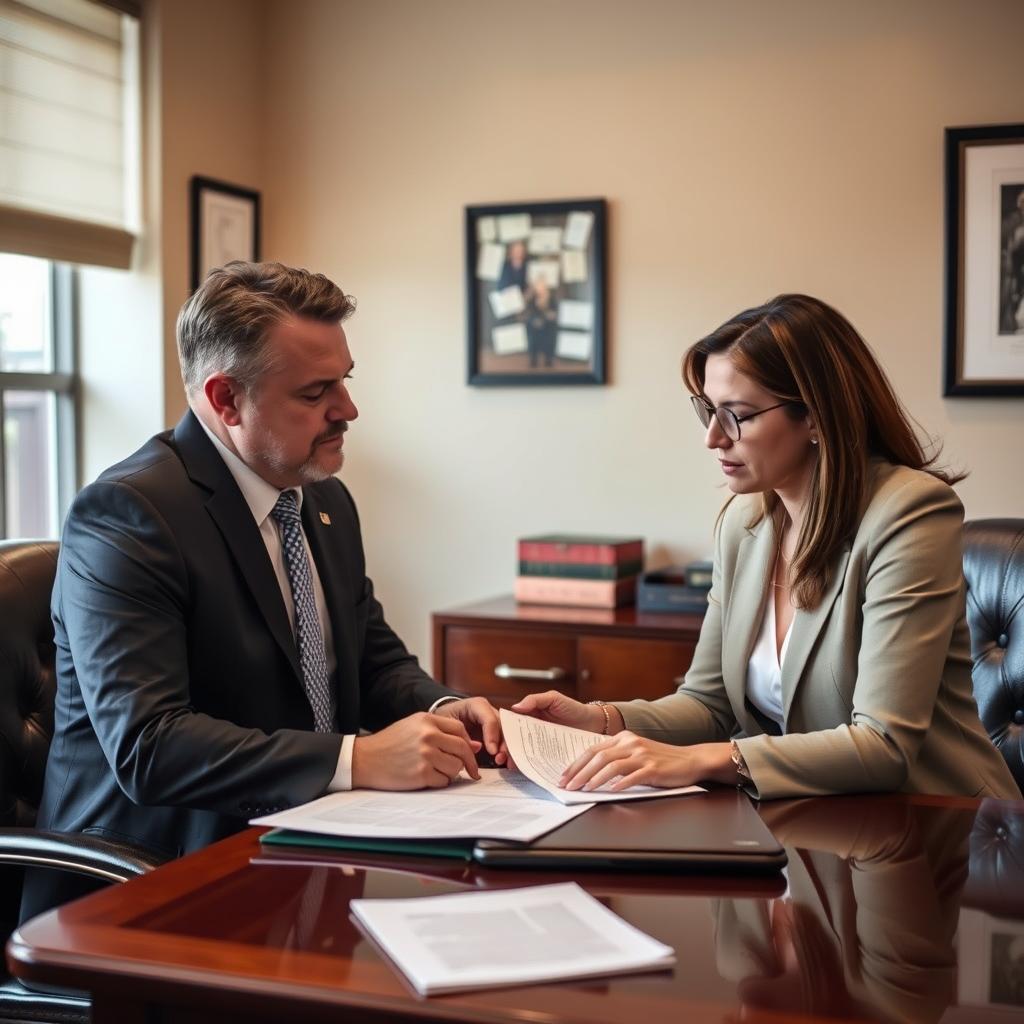
Alimony Enforcement Lawyer Fauquier County, VA
You have a court-ordered alimony award, but your former spouse has stopped paying. You are not alone—many in Fauquier County face this challenge. At Law Offices Of SRIS, P.C., we help clients in Warrenton, New Baltimore, Bealeton, Marshall, and The Plains enforce spousal support orders under Virginia law. Founded in 1997, our firm is led by Mr. Sris, a former prosecutor. Mr. Sris and his Of Counsel bring over 120 years of combined legal experience and 4,739+ documented firm-wide results. Results may vary. We can pursue the relief the court has already ordered. Call (888) 437-7747 to request a consultation. Law Offices Of SRIS, P.C. — Advocacy Without Borders.
Understanding Alimony Enforcement in Virginia
Alimony—called spousal support in Virginia—is a payment one former spouse makes to the other under a divorce decree or separation agreement. Virginia is an equitable distribution state and the court considers statutory factors when setting support under Va. Code § 20‑107.1. When the obligated party fails to pay, the recipient can seek enforcement through the court that issued the original order.
In Fauquier County, alimony enforcement matters are heard in the Fauquier County Circuit Court (which handles divorce, equitable distribution, and spousal support) and in the Fauquier County Juvenile and Domestic Relations District Court for custodial and support-related proceedings. Enforcement remedies include contempt of court, wage garnishment, income-deduction orders, and entry of a judgment for arrears. Each route has its own procedural requirements and strategic considerations.
How Mr. Sris and His Of Counsel Approach Alimony Enforcement
Law Offices Of SRIS, P.C. handles alimony enforcement with a focus on practical resolution. We review the existing support order, the payment history, and any defenses the payer may raise—such as a change in circumstances or an inability to pay. Our goal is to move the matter toward a court order that compels payment, whether through a show-cause hearing, a wage assignment, or a contempt proceeding.
Because enforcement litigation often involves detailed financial records, Mr. Sris and his Of Counsel work methodically to document the arrearage. We appear at the Fauquier County Circuit Court or the Juvenile and Domestic Relations District Court as the case requires, and we seek to have the court enforce its prior support award while the client’s time and resources are respected.
What Happens When Alimony Is Not Paid
Virginia courts have broad authority to enforce spousal support obligations. A payee may petition the court for a rule to show cause why the obligor should not be held in contempt. Contempt can be civil (coercive, aimed at forcing payment) or criminal (punitive). The court can also enter a judgment for the total arrearage, order income withholding, or require the posting of a bond. If the court finds the obligor’s non‑payment was willful, it may award attorney’s fees and costs to the enforcing spouse.
In Fauquier County, the process typically begins with a motion or petition filed in the court that issued the support order. The obligor is served and a hearing is scheduled. Mr. Sris and his Of Counsel prepare the motion, gather the payment record, and present the case at hearing. The timeline varies by the court’s calendar and the complexity of the financial issues, but the firm works to move the matter forward promptly.
About Mr. Sris and His Of Counsel Team
Mr. Sris, Owner and Founder of Law Offices Of SRIS, P.C., is a former prosecutor who founded the firm in 1997. He is admitted in Virginia, Maryland, the District of Columbia, New Jersey, and New York. Mr. Sris testified before the Virginia House Courts of Justice Committee in support of 2019 HB 635 (chief patron Del. David Bulova), a bill that revised the equitable-distribution statute. This legislative insight, combined with decades of family-law practice, informs the firm’s approach to spousal‑support enforcement.
Mr. Sris works alongside his Of Counsel—non‑employee attorneys engaged through Excella—who bring additional courtroom experience, including former prosecutorial and law‑enforcement backgrounds. Together, they provide comprehensive representation in Fauquier County and throughout Virginia.
Frequently Asked Questions
What is alimony enforcement in Virginia?
Alimony enforcement is a legal action to compel a former spouse to pay court‑ordered spousal support. In Virginia, the recipient can file a motion for a show‑cause hearing or request a wage‑withholding order. The court may hold the non‑paying spouse in contempt, enter a judgment for arrears, and award attorney’s fees. Va. Code § 20‑107.1 governs the factors the court considers when awarding or modifying support, and the same court that issued the original order retains authority to enforce it.
Can my former spouse go to jail for not paying alimony?
Yes, if the court finds the obligor in willful contempt, it can impose a jail sentence as a coercive measure. Civil contempt is designed to force payment—once the arrearage is satisfied, the jail term ends. Criminal contempt, which is less common, may result in a fixed term. Courts typically explore all compliance options before imposing incarceration.
How long does alimony enforcement take in Fauquier County?
The timeline depends on the court’s docket, the complexity of the financial issues, and whether the obligor contests the motion. A straightforward show‑cause hearing may be scheduled within a few months of filing. Contested matters, particularly those involving claims of changed circumstances or defenses based on inability to pay, can extend longer. Law Offices Of SRIS, P.C. works to advance the process as efficiently as the court’s schedule allows.
What documents do I need to bring to a consultation?
You should gather the final divorce decree or separation agreement that sets the spousal‑support obligation, any subsequent court orders, a record of payments received (or missed), and any correspondence between you and your former spouse about the arrearage. The more complete your payment record, the faster we can evaluate the arrearage and prepare a motion.
Do I need a lawyer for alimony enforcement?
You are not legally required to have an attorney, but enforcement involves procedural rules and evidentiary requirements that can be difficult to navigate alone. An experienced family‑law attorney can ensure the correct motion is filed, the arrearage is properly calculated, and your interests are presented effectively at the hearing. Mr. Sris and his Of Counsel regularly handle enforcement matters in Fauquier County and can guide you through the process.
What other enforcement options are available besides contempt?
Virginia law provides several tools beyond contempt: the court can order an income‑deduction order (wage garnishment), enter a judgment for the total arrearage that can be executed against the obligor’s property, or require the obligor to post a bond to secure future payments. In some cases, the court may also suspend professional or driver’s licenses. The trusted remedy depends on the circumstances of your case.
For guidance on your specific situation, reach Law Offices Of SRIS, P.C. at (888) 437-7747. A consultation can be scheduled at your convenience.
Attorney advertising. Prior results do not guarantee a similar outcome.
Case results depend on a variety of factors unique to each case.
Results may vary.