
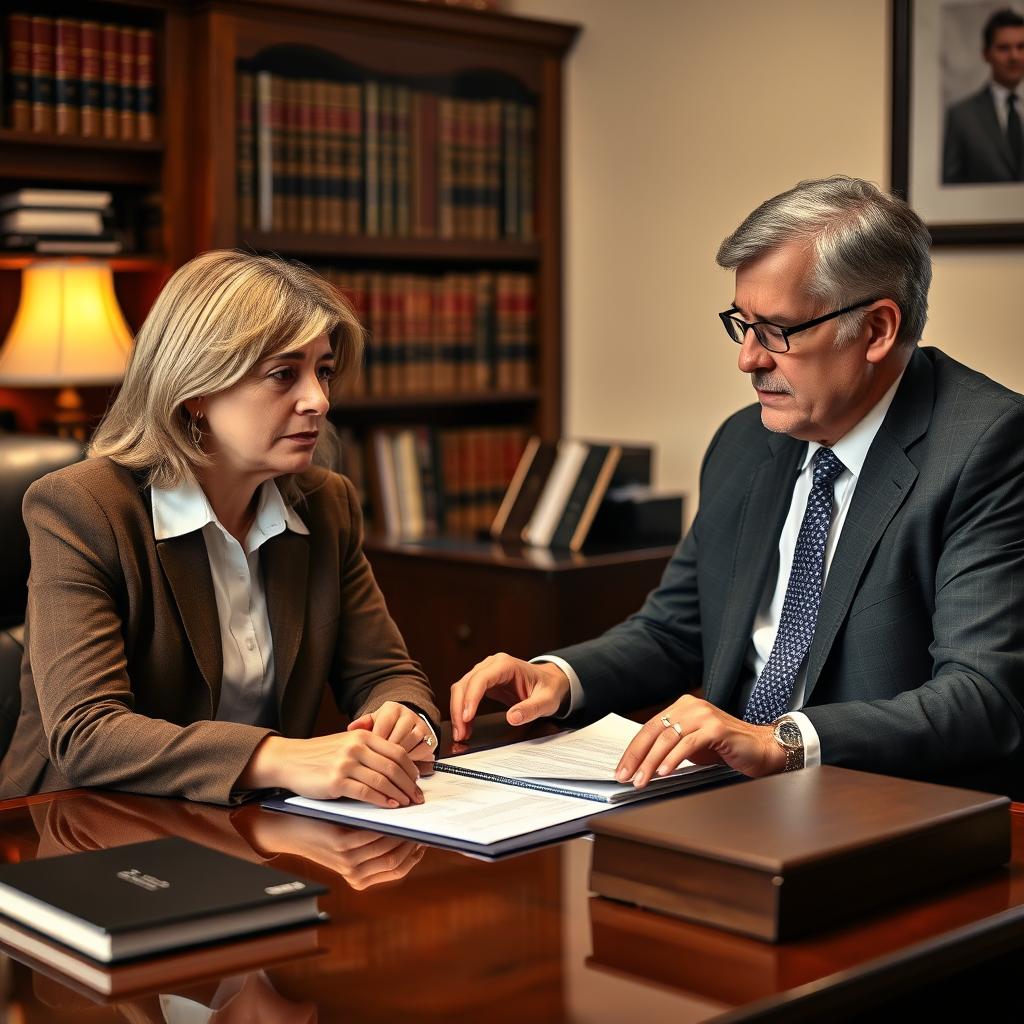
Fault Based Divorce Lawyer Shenandoah County, VA
If you are facing a divorce in Shenandoah County and your spouse’s misconduct has destroyed the marriage, you may be considering a fault-based divorce. Unlike a no-fault separation, a fault divorce allows the court to consider adultery, cruelty, desertion, or a felony conviction when deciding property division and spousal support. The Law Offices Of SRIS, P.C. represents clients throughout the Shenandoah Valley, including Woodstock, Edinburg, Strasburg, Mount Jackson, Toms Brook, and New Market. Mr. Sris and the firm’s Of Counsel attorneys understand the emotional weight of these cases and the strategic considerations that come with proving fault in a Virginia divorce. A fault-based divorce can affect equitable distribution of marital property, spousal support awards, and even custody if the misconduct is relevant to the child’s best interests. Preparing a complaint that satisfies the evidentiary requirements of the Shenandoah County Circuit Court demands careful attention to the statutory grounds under Va. Code § 20-91. To request a consultation about your situation, reach Law Offices Of SRIS, P.C. at (888) 437-7747. Law Offices Of SRIS, P.C. – Advocacy Without Borders.
What Fault Based Divorce Means in Shenandoah County
Virginia recognizes both no-fault and fault-based grounds for divorce. A fault-based divorce is one where the court finds that one spouse’s wrongful conduct was the cause of the marriage’s breakdown. The Shenandoah County Circuit Court has exclusive jurisdiction over all divorce actions, including those filed on fault grounds. The statutory grounds are set out in Va. Code § 20-91: adultery; cruelty or reasonable apprehension of bodily hurt; willful desertion or abandonment for one year; and conviction of a felony with a sentence of more than one year, after which the parties have not cohabited. Unlike a no-fault divorce that requires a period of separation, a fault ground such as adultery carries no mandatory waiting period, though the practical timeline of litigation in the Twenty-Sixth Judicial District will depend on the court’s docket.
Shenandoah County is a rural jurisdiction served by the Circuit Court in Woodstock and the Juvenile and Domestic Relations District Court for custody and support matters. While the Circuit Court hears the divorce itself, issues of child custody, visitation, and support may be heard in the J&DR Court if they are not consolidated. A fault-based divorce that includes allegations of marital misconduct often involves discovery, depositions, and potentially a trial. The firm’s familiarity with the local court procedures and the expectations of the judges in the Twenty-Sixth Judicial District allows clients to approach their case with a clear understanding of what lies ahead.
How Mr. Sris and the Firm’s Of Counsel Attorneys Handle Fault Based Divorce Cases
When a client decides to pursue a fault-based divorce, the first step is a thorough evaluation of the available evidence. Grounds such as adultery must be proven by clear and convincing evidence, which is a higher standard than the typical civil preponderance standard. The firm’s attorneys work with clients to identify admissible proof, such as electronic records, financial documents, or witness testimony, while ensuring that the collection of evidence does not run afoul of privacy laws. If the evidence supports a fault ground, the complaint is drafted to allege the specific statutory basis for divorce and to request appropriate relief, whether it involves spousal support, a monetary award through equitable distribution, or attorney fees.
Once the complaint is filed with the Shenandoah County Circuit Court and served on the opposing spouse, the litigation may proceed through discovery, pendente lite motions for temporary support, and settlement negotiations. The firm approaches each case with the understanding that many fault-based divorces resolve before trial through a property settlement agreement, particularly when both sides recognize the risks and costs of litigation. If trial is necessary, Mr. Sris and the firm’s Of Counsel attorneys present the evidence and examine witnesses to meet the required burden of proof. Throughout the process, the client is kept informed of developments and the strategic considerations at each stage.
Mr. Sris and the firm’s Of Counsel attorneys bring extensive combined legal experience to contested divorce matters, including those involving complex marital estates, business valuation, and retirement asset division. Results may vary.
About Mr. Sris and the Firm’s Of Counsel Attorneys
Mr. Sris, Owner and Founder of Law Offices Of SRIS, P.C., has practiced law since 1997 and is admitted in Virginia, Maryland, the District of Columbia, New Jersey, and New York. A former prosecutor, Mr. Sris understands the evidentiary demands of litigation and the importance of building a case that can withstand courtroom scrutiny. The firm’s Of Counsel attorneys contribute additional depth in family law, criminal defense, and civil litigation, bringing a breadth of knowledge that informs the handling of each client’s matter.
Law Offices Of SRIS, P.C. maintains a location in Woodstock, Virginia, and serves families throughout Shenandoah County and the surrounding area. All consultations are by appointment. To speak with Mr. Sris or a member of the firm about a fault-based divorce, call (888) 437-7747.
Frequently Asked Questions
What is a fault-based divorce in Virginia?
A fault-based divorce is one in which the court finds that a spouse’s misconduct—such as adultery, cruelty, or desertion—caused the end of the marriage. Unlike no-fault divorce, it does not require a period of separation before filing. The grounds are defined in Va. Code § 20-91, and the party alleging fault must prove the conduct by clear and convincing evidence. A fault finding can affect property division and spousal support under Virginia’s equitable distribution framework.
What are the fault grounds for divorce in Shenandoah County?
Under Virginia law, fault grounds for divorce include adultery, cruelty or reasonable apprehension of bodily hurt, willful desertion or abandonment for one year, and conviction of a felony with a sentence of more than one year. Each ground requires specific proof. Adultery, for example, may be established through circumstantial evidence showing both inclination and opportunity. The Shenandoah County Circuit Court hears all fault-based divorce cases. For guidance on whether your situation meets a fault ground, reach Law Offices Of SRIS, P.C. at (888) 437-7747.
How does fault affect property division in a Virginia divorce?
The court considers the circumstances that contributed to the dissolution of the marriage, including fault, when dividing marital property under Va. Code § 20-107.3. While Virginia is not a community property state, a finding of adultery or cruelty can influence the equitable distribution award, potentially resulting in a greater share of marital assets to the innocent spouse. The impact depends on the specific facts and the interplay of the other statutory factors.
Do I need a lawyer for a fault-based divorce in Shenandoah County?
You are not required by law to hire a lawyer to file for divorce, but fault-based cases involve a higher evidentiary standard and procedural complexity that make experienced legal representation advisable. Proving adultery or cruelty requires admissible evidence and proper presentation in court. An attorney can help you evaluate the strength of your case, negotiate a settlement if possible, and prepare for trial if necessary. For a consultation, reach Mr. Sris and the firm’s Of Counsel attorneys at (888) 437-7747.
How does the divorce process work in Shenandoah County Circuit Court?
The process begins with filing a complaint for divorce in the Shenandoah County Circuit Court, followed by service of process on your spouse. If the divorce is contested, the case proceeds through discovery, possible pendente lite hearings for temporary relief, and settlement negotiations. If no settlement is reached, the court schedules a trial where each side presents evidence. The timeline depends on the complexity of the issues and the court’s calendar. During court business hours, you can contact the clerk’s office for procedural questions; the firm handles the necessary filings and court appearances on your behalf.
Also serving neighboring counties: Family Law Lawyer Clarke County, VA | Family Law Lawyer Frederick County, VA | Family Law Lawyer Warren County, VA | Family Law Lawyer Rockingham County, VA | Family Law Lawyer Augusta County, VA
Official Resources: Shenandoah County Circuit Court | Virginia Code Title 20 Domestic Relations
Attorney advertising. Prior results do not guarantee a similar outcome.
Results may vary. Case results depend on a variety of factors unique to each case.