
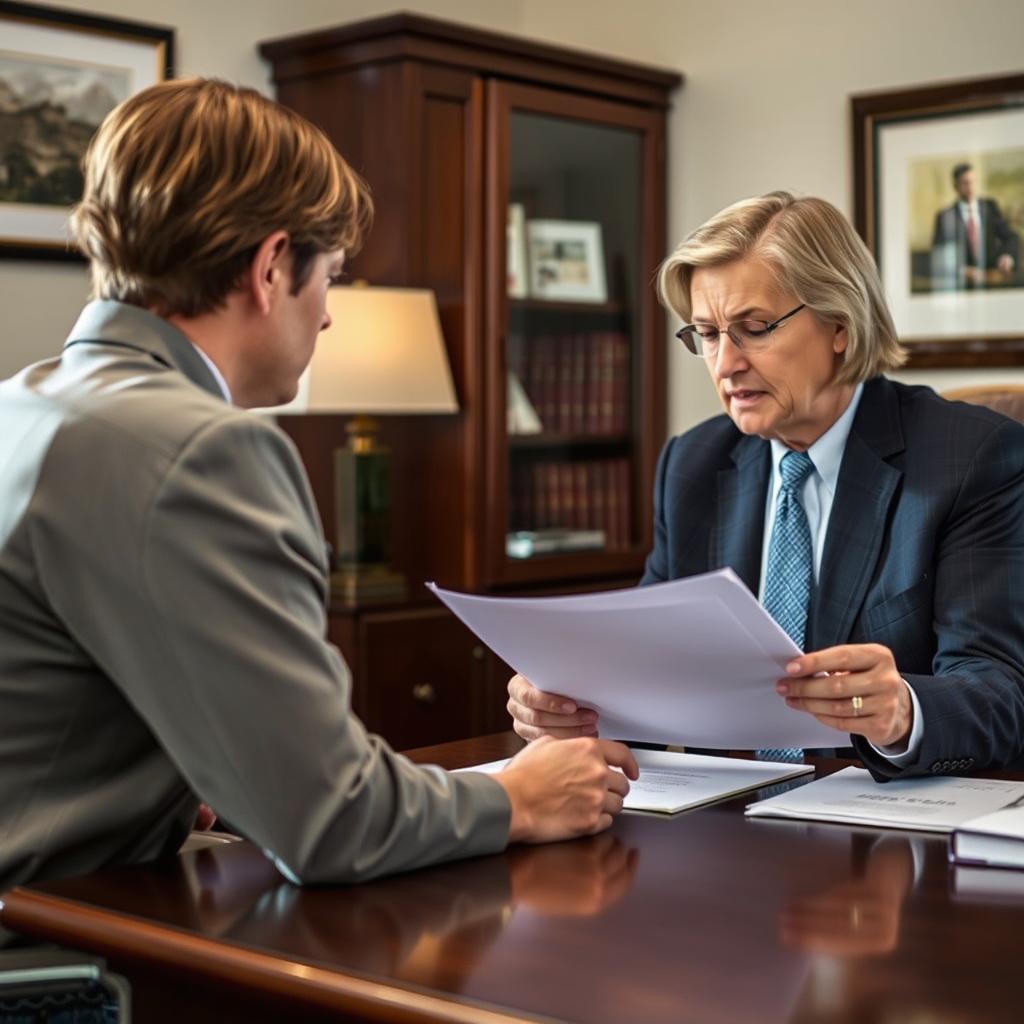
Kinship Adoption Lawyer Fluvanna County, VA
When Linda’s son could no longer care for his six‑year‑old daughter, Linda — a lifelong Palmyra resident — stepped in without hesitation. But enrolling her granddaughter in school and scheduling a doctor’s appointment quickly revealed a harsh reality: without a court‑ordered adoption, she had no legal standing to make everyday decisions for the child she was raising. Families across Fluvanna County, from Fork Union to Lake Monticello, face similar moments. A kinship adoption lawyer helps relatives formalize the parent‑child relationship under Virginia law so the child has stability and the caregiver has clear authority. At Law Offices Of SRIS, P.C., Mr. Sris and his Of Counsel guide Fluvanna County families through the adoption process from the initial petition to the final decree. To discuss starting a kinship adoption, call (888) 437-7747. Law Offices Of SRIS, P.C. – Advocacy Without Borders.
How Mr. Sris and His Of Counsel Approach Kinship Adoption
Virginia kinship adoption — often called relative adoption — allows a grandparent, aunt, uncle, or other relative to become the child’s legal parent when the biological parents cannot or will not care for the child. Mr. Sris and his Of Counsel treat every matter not as a routine filing but as a family‑specific transition that requires careful handling of consent, notice, and the home‑study process. The team identifies whether the adoption qualifies for a streamlined relative‑adoption path and works to resolve obstacles such as an uncooperative birth parent or international-family complications before they stall the case. Because the firm practices across five jurisdictions, it is particularly equipped to coordinate an adoption that crosses state lines — a frequent reality in the greater Fluvanna‑County area where families often move between Virginia and nearby Maryland or the District of Columbia.
What to Expect When Filing in Fluvanna County
Most kinship adoptions in Fluvanna County are heard in the Circuit Court. The process begins with a petition that describes the relationship between the child and the prospective adoptive parent, the child’s circumstances, and the consent of any required parties. Virginia law under Va. Code § 63.2‑1200 et seq. Sets out who must consent: generally, the biological parents, the child if 14 or older, and the child‑placing agency if one is involved. The court also requires a home study unless the parties qualify for a waiver because the adoptive parent is a close relative — a feature of Virginia law that often simplifies kinship adoptions.
After the petition is filed, the clerk of the Fluvanna County Circuit Court schedules a hearing. Mr. Sris or an Of Counsel attorney appears at the hearing to present evidence that the adoption serves the child’s best interests. Local practice in the 16th Judicial District often involves a brief, family‑friendly proceeding before the judge enters the final order of adoption. The firm stays with the family through the post‑adoption steps, including obtaining a new birth certificate and updating legal documents so the newly recognized parent can exercise full parental authority immediately.
Risks When Adoption Is Not Properly Finalized
Without a court‑issued adoption decree, a relative caregiver remains a legal stranger to the child. The caregiver cannot enroll the child in school, consent to medical treatment, or obtain a passport. If the biological parent later demands the child’s return, the caregiver has no legal right to object. Informal arrangements — even those that have lasted for years — offer no protection. A properly completed kinship adoption extinguishes the biological parent’s rights and places the adoptive relative in the same legal position as a birth parent. Mr. Sris and his Of Counsel make certain every required step, from birth‑parent consent to the post‑placement report, is correctly completed so the adoption cannot be challenged later.
About the Legal Team
Mr. Sris, Owner and Founder of Law Offices Of SRIS, P.C., has practiced family law since 1997. A former prosecutor, he understands how courts assess evidence and credibility — a perspective that benefits adoption clients when consent disputes arise or when a parent’s fitness is at issue. Mr. Sris testified before the Virginia House Courts of Justice Committee in support of 2019 HB 635 (chief patron Del. David Bulova). Working alongside Mr. Sris, the firm’s Of Counsel bring extensive combined legal experience. They concentrate their practices on family law, including adoption, custody, and child‑related matters. Results may vary.
Frequently Asked Questions
What is kinship adoption in Virginia?
Kinship adoption — also called relative adoption — is the legal process by which a close family member becomes a child’s adoptive parent. Unlike foster‑care adoption, the child typically already lives with the relative, and Virginia law may waive certain requirements such as a full home study when the adoptive parent is a grandparent or other specified relative.
Do I need a lawyer for a kinship adoption in Fluvanna County?
Virginia does not require an attorney for adoption. However, the petition, consent documents, and home‑study paperwork must comply with Va. Code § 63.2‑1200 et seq. Mistakes can delay the adoption or lead to denial. An experienced family law lawyer helps avoid procedural errors and addresses contested‑consent issues. To discuss your case, reach Mr. Sris and his Of Counsel at (888) 437-7747.
How is a kinship adoption different from legal guardianship?
A legal guardianship places the child in the caregiver’s custody but does not terminate the biological parent’s rights. The parent can petition to end the guardianship and regain custody. Adoption permanently severs the biological parent’s rights and makes the adoptive relative the child’s legal parent. For many Fluvanna County families, adoption provides the permanency that guardianship lacks.
Who must consent to a relative adoption in Virginia?
Generally, both biological parents must consent unless a court finds their consent is unnecessary — for example, if they have abandoned the child or are unfit. The child must consent if 14 or older. If a child‑placing agency is involved, it must consent as well. The consent rules are governed by Va. Code § 63.2‑1200 et seq.
How long does the adoption take once it is filed in Fluvanna County?
The timeline depends on the court’s calendar, whether a full home study is required, and whether any party contests the adoption. Uncontested relative adoptions often proceed more quickly than private adoptions. Mr. Sris and his Of Counsel work to move the case through the court efficiently while ensuring each statutory step is satisfied.
Can I adopt a relative’s child across state lines?
Yes, but the adoption must comply with the Interstate Compact on the Placement of Children (ICPC) if the child is being brought to Virginia from another state. The compact adds procedural steps and can extend the timeline. Law Offices Of SRIS, P.C. handles multi‑state adoptions and coordinates the ICPC process so families do not face unexpected delays.
Request a Consultation
If you are raising a relative’s child in Palmyra, Fork Union, Lake Monticello, or anywhere in Fluvanna County, the legal team can help you obtain the stability of a final adoption decree. To discuss your situation and learn what steps apply to your family, call (888) 437-7747 to schedule a consultation. You can also reach the firm through its online contact page.
Related pages: Fairfax County family law | Prince William County family law | Manassas family law
Authoritative sources: Virginia Code Title 63.2 (Adoption) | Virginia Circuit Courts | For a full statutory breakdown, see our comprehensive analysis
Attorney advertising. Prior results do not guarantee a similar outcome.
Case results depend on a variety of factors unique to each case.