
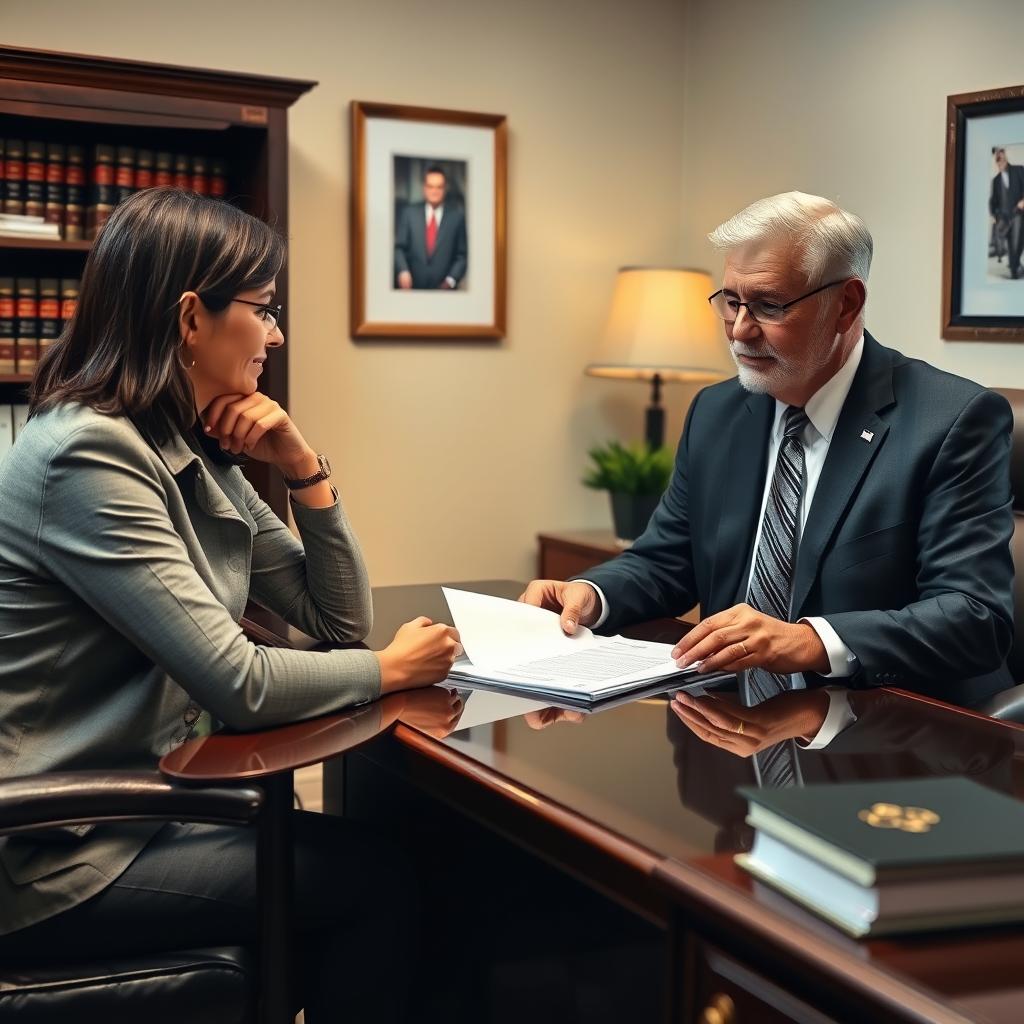
Marital Property Lawyer Virginia, VA
When your marriage ends, the division of everything you and your spouse built together — the home, the retirement accounts, the business you ran from the garage — can feel like a second crisis. You need a clear picture of what Virginia law calls “marital property,” what stays separate, and how the court will decide who gets what. Mr. Sris and his Of Counsel team at Law Offices Of SRIS, P.C. Guide clients through equitable distribution across the Commonwealth. Reach our Fairfax location at (888) 437-7747 to schedule a consultation. Law Offices Of SRIS, P.C. – Advocacy Without Borders.
Virginia is an equitable distribution state, not a community property state. Marital property is divided fairly but not necessarily equally under Va. Code § 20-107.3.
Source: Va. Code § 20-107.3. Virginia Legislative Information System
Reviewed by Mr. Sris, admitted in VA/MD/DC/NJ/NY.
How Mr. Sris and His Of Counsel Approach Marital Property Cases in Virginia
Every marital property case begins with a careful classification of assets. Was the house bought before the marriage, or did you both pay the mortgage for fifteen years? Is the inheritance from your grandmother separate, or did you deposit it into a joint account? The firm’s Of Counsel work with forensic accountants and valuation attorneys to trace the character of each asset, then build a settlement strategy grounded in the 11 factors the court considers under Va. Code § 20-107.3 — including the duration of the marriage, each spouse’s contributions, and the circumstances that led to the divorce.
When negotiations stall, the team is prepared to litigate in Virginia circuit courts. Mr. Sris, a former prosecutor, understands how to frame evidence and cross-examine opposing witnesses. His Of Counsel bring decades of civil and family law trial experience. Whether the case involves a modest estate or a complex business with international holdings, the goal is to preserve what you are entitled to and bring the matter to a resolution that lets you move forward.
What to Expect in a Virginia Marital Property Case
The process begins when a complaint for divorce is filed in the circuit court where one party resides. Alongside the divorce, the court must classify, value, and distribute marital property. Both sides exchange financial information — bank statements, tax returns, property deeds, retirement account summaries — so that a complete picture of the marital estate emerges. A property settlement agreement, signed by both spouses, can resolve all property issues without trial. If no agreement is reached, the court holds an equitable distribution hearing.
At the hearing, the judge considers testimony and documentary evidence about each asset’s origin, the length of the marriage, and the contributions of each spouse, including non-monetary contributions such as raising children. The court then issues a decree that outlines who receives what. An experienced attorney helps ensure that hidden assets are uncovered and that valuations — of businesses, professional practices, stock options, or real estate — hold up under scrutiny.
The Stakes in Marital Property Division
An unfair property division can leave you without the resources you need to rebuild after divorce. Retirement accounts can be split incorrectly, businesses can be valued at the wrong date, and separate property can become marital if not properly documented. Without legal guidance, you risk waiving claims to assets that belong to you or accepting liability for debts that are not yours. The firm’s approach is to identify these risks early, so you can make informed decisions rather than reacting under pressure.
Virginia allows both fault-based and no-fault divorce. A no-fault divorce requires a separation period of one year, or six months if there are no minor children and the parties have a written separation agreement, under Va. Code § 20-91.
Source: Va. Code § 20-91. Virginia Legislative Information System
Reviewed by Mr. Sris, admitted in VA/MD/DC/NJ/NY.
About Mr. Sris and His Of Counsel Team
Mr. Sris, Owner and Founder of Law Offices Of SRIS, P.C., built the firm in 1997 on the principle that every client deserves a thorough, prepared advocate. A former prosecutor, he has extensive experience in the courtroom and brings that perspective to family law. Mr. Sris testified before the Virginia House Courts of Justice Committee in support of 2019 HB 635 (chief patron Del. David Bulova), the legislation that updated Va. Code § 20-107.3(g) — the very statute that governs how retirement accounts and pensions are divided in Virginia divorce. He is admitted in Virginia, Maryland, the District of Columbia, New Jersey, and New York.
Mr. Sris works alongside a team of Of Counsel — experienced attorneys with backgrounds in civil litigation, criminal defense, and family law. Together, they bring over 120 years of combined legal experience to marital property cases across Virginia, with 4,739+ documented firm-wide results. Results may vary. Each matter receives collaborative attention, drawing on the firm’s multi-state insight and deep familiarity with Virginia’s equitable distribution system. For a consultation, reach the firm at (888) 437-7747.
Frequently Asked Questions About Marital Property in Virginia
Is Virginia a community property state?
No. Virginia follows equitable distribution, which means marital property is divided fairly, not necessarily 50/50. The court weighs 11 statutory factors to reach a just division. Separate property — assets owned before the marriage or received as a gift or inheritance — remains with the original owner. For details about your situation, reach Law Offices Of SRIS, P.C. at (888) 437-7747.
What counts as marital property in Virginia?
Marital property includes assets acquired during the marriage, regardless of whose name is on the title. That covers income, real estate, retirement accounts, businesses, vehicles, and personal property. Debts incurred during the marriage are generally marital as well. Items acquired before the marriage, or by gift or inheritance to one spouse, are separate. The line can blur when separate funds are commingled, so legal analysis is important.
Do I need a lawyer to divide property in a Virginia divorce?
You are not legally required to have a lawyer, but having an attorney helps ensure that assets are properly classified, valued, and that you do not waive rights you are unaware of. Equitable distribution involves detailed financial disclosures and often contested hearings. Mr. Sris and his Of Counsel have handled marital property matters across Virginia and can advise on an appropriate approach for your circumstances.
How does the court value a family business or professional practice?
Valuation of a business in a divorce requires analyzing financial records, goodwill, market conditions, and sometimes experienced attorney opinions. The court determines a fair market value and then decides how to divide the marital share. Whether you own a medical practice, a contracting company, or a tech startup, experienced counsel works with valuation professionals to present a clear picture to the court.
Can we agree on property division without going to court?
Yes. Many couples resolve property issues through a written separation agreement that covers all marital assets and debts. The agreement, once signed and incorporated into the divorce decree, is enforceable. An attorney can draft the agreement to comply with Virginia law and help protect your interests. If both parties are willing, this is often the most cost-effective path.
What happens to retirement accounts and pensions in a Virginia divorce?
Retirement assets earned during the marriage are marital property. The court may divide them through a Qualified Domestic Relations Order (QDRO) or similar mechanism. The 2019 amendment to Va. Code § 20-107.3(g) — which Mr. Sris testified in support of — refined the rules for dividing certain retirement plans. Proper handling is critical to avoid tax penalties and unintended loss of benefits.
How do I find a marital property lawyer in Virginia?
Search for a family law attorney who concentrates in equitable distribution and who is familiar with the circuit courts in your area. Look for experience with complex assets if your estate includes businesses or international property. Law Offices Of SRIS, P.C. has been practicing in Virginia since 1997, with a documented track record across the Commonwealth. To discuss your matter, call (888) 437-7747.
What should I bring to a consultation about marital property?
Bring a list of all assets and debts, including real estate deeds, bank and investment statements, retirement account summaries, business financials, and tax returns from the last few years. Any prenuptial or postnuptial agreements are also helpful. The more complete the picture, the better the attorney can assess your position and outline realistic options.
For guidance on your specific situation, contact Law Offices Of SRIS, P.C. at (888) 437-7747.
Related family law resources: Fairfax County Marital Property Lawyer | Fairfax City Marital Property Lawyer | Falls Church Marital Property Lawyer | Prince William County Marital Property Lawyer | Manassas Marital Property Lawyer
Official Virginia resources: Virginia Code Title 20 (Domestic Relations) | Virginia’s Judicial System
Law Offices Of SRIS, P.C.
Fairfax Location — 4008 Williamsburg Court, Fairfax, VA 22032
By appointment only. Call (888) 437-7747
Also located in Richmond, Ashburn, Arlington, Woodstock, and across five states.
Attorney advertising. Prior results do not guarantee a similar outcome. Results may vary.
Case results depend on a variety of factors unique to each case.