
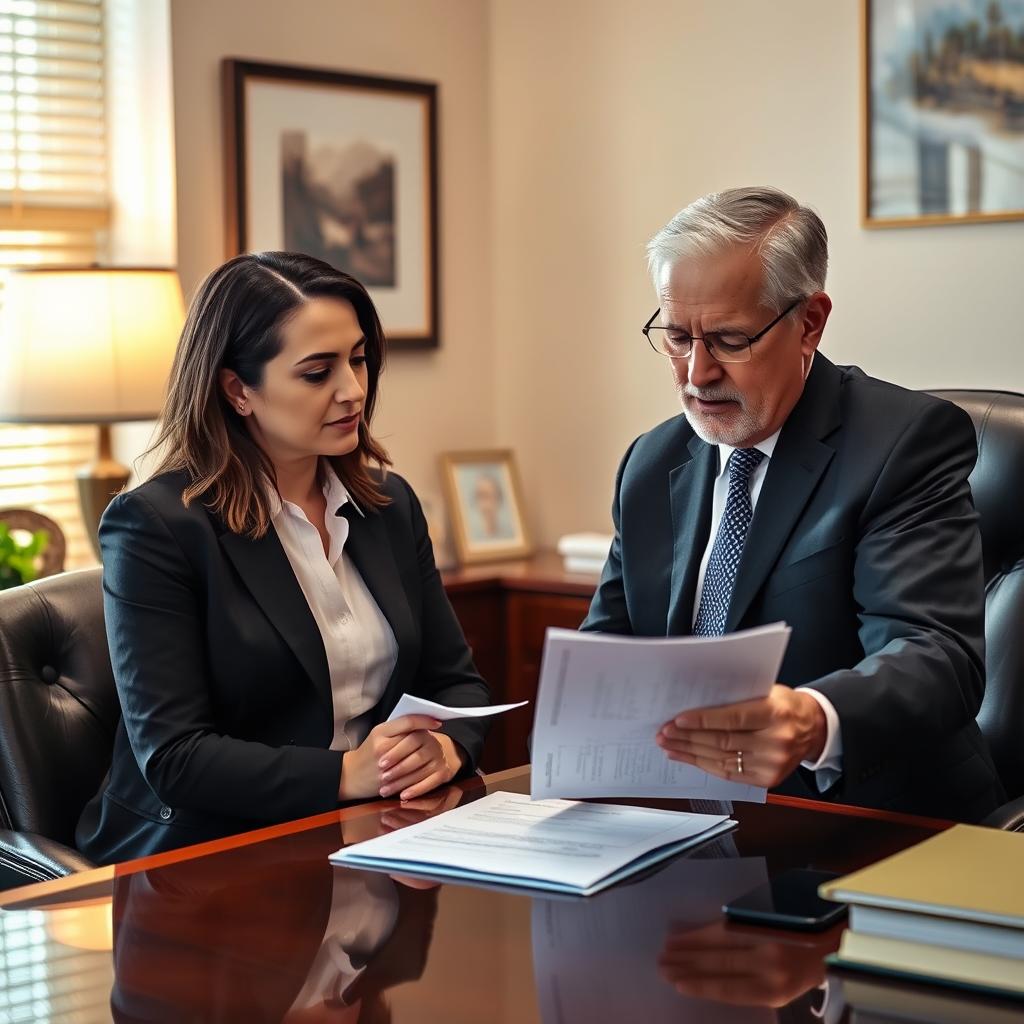
Divorce Decree Enforcement Lawyer Virginia, VA
You have a final divorce decree from a Virginia circuit court, but your former spouse is not complying. Maybe the ordered property transfer never happened, spousal support payments stopped, or child support is overdue. When a party refuses to obey a court-ordered divorce decree, Virginia law provides enforcement tools—contempt proceedings, wage garnishments, property liens, and other judicial remedies—to compel compliance. At Law Offices Of SRIS, P.C., our family law team understands the frustration of a non‑compliant ex‑spouse and works to pursue enforcement through the appropriate court. Virginia’s equitable distribution statute (Va. Code § 20‑107.3) and the court’s continuing jurisdiction over enforcement provide the framework for these actions. Whether you need to enforce a property settlement agreement, a spousal support award, or custody and visitation provisions, the matter is handled in the circuit court that issued the decree or in the juvenile and domestic relations district court for certain support matters. Law Offices Of SRIS, P.C., founded in 1997, serves clients throughout Virginia, including Fairfax County, Prince William County, Loudoun County, and the cities of Fairfax, Falls Church, and Manassas. For a consultation, call (888) 437‑7747. Law Offices Of SRIS, P.C. — Advocacy Without Borders.
What Divorce Decree Enforcement Means in Virginia
Enforcing a divorce decree is a post‑judgment legal process that asks a Virginia court to order a party to comply with the terms of a final decree. The decree may address property division, spousal support, child support, custody, or visitation. When one party fails to meet those obligations, the other party may file a motion or petition—often called a rule to show cause or a petition for enforcement—asking the court to compel performance. The court can use its inherent contempt power to impose sanctions, including fines or, in limited circumstances, jail time, until compliance is achieved. In property‑division matters, the court may also order the execution of a qualified domestic relations order (QDRO) to divide retirement accounts or direct other mechanisms to transfer assets.
Virginia circuit courts have exclusive original jurisdiction over divorce and equitable distribution matters, while the juvenile and domestic relations district courts handle standalone support and custody enforcement issues. Because enforcement proceedings are fact‑specific and can become procedurally complex, an understanding of local court practices and the statutory framework (such as the factors under Va. Code § 20‑107.3 for property division and the contempt powers available under the court’s inherent authority) is essential. The timeline for an enforcement action varies depending on the complexity of the issues and the court’s calendar; matters can be resolved more quickly when the non‑compliance is clear, while contested cases may require evidentiary hearings. At every stage, the court’s focus is on effectuating the original decree.
How Mr. Sris and His Of Counsel Handle Divorce Decree Enforcement Cases
Mr. Sris and his Of Counsel approach enforcement cases by first conducting a thorough review of the final decree and the specific acts of non‑compliance. They identify the appropriate legal remedies—whether contempt, garnishment, lien, or a motion to compel—and prepare the necessary pleadings for the court. Because enforcement often involves property‑division disputes, Mr. Sris’s experience with Virginia’s equitable distribution framework is a direct asset; he testified before the Virginia House Courts of Justice Committee in support of 2019 HB 635 (chief patron Del. David Bulova), which addressed important procedural aspects of equitable distribution—the core of many enforcement disagreements. When necessary, the team engages qualified professionals to value assets or to prepare QDROs for retirement‑plan division, ensuring that the enforcement mechanism is technically sound.
Throughout the process, the firm represents clients at hearings in Virginia circuit courts and juvenile and domestic relations district courts, advocating for compliance and, where appropriate, seeking an award of attorney’s fees against the non‑complying party. The approach is deliberate and fact‑driven, tailored to the specific decree and the obstacles preventing compliance. Mr. Sris and his Of Counsel work to achieve practical outcomes that enforce the decree’s terms while minimizing additional conflict.
About Mr. Sris and His Of Counsel Team
Mr. Sris, Owner and Founder of Law Offices Of SRIS, P.C., has been practicing since 1997. He is admitted in Virginia, Maryland, the District of Columbia, New Jersey, and New York. A former prosecutor, Mr. Sris brings disciplined trial experience to every family law matter, including post‑judgment enforcement. He keeps his personal caseload manageable to remain directly involved in complex enforcement actions. Alongside him, the Of Counsel team contributes extensive experience in litigation, property division, and Virginia court procedure. Mr. Sris and his Of Counsel bring over 120 years of combined legal experience. Results may vary. They have documented 4,739+ case results across all practice areas since 1997.
Frequently Asked Questions
What is divorce decree enforcement?
Divorce decree enforcement is the legal process of asking a Virginia court to require a party to comply with the terms of a final divorce decree. If a former spouse has failed to transfer property, pay support, or follow custody orders, the court can issue orders compelling performance and may impose sanctions for non‑compliance. For guidance on your specific situation, reach Law Offices Of SRIS, P.C. at (888) 437‑7747.
How do I enforce a divorce decree in Virginia?
You typically file a motion or petition—such as a rule to show cause or a petition for enforcement—in the circuit court that issued the decree or in the juvenile and domestic relations district court for support‑only matters. The court will schedule a hearing to determine whether a party has violated the decree and, if so, what remedy is appropriate. To discuss the details of your matter, contact Law Offices Of SRIS, P.C. at (888) 437‑7747.
Can a lawyer help with enforcing property division and support orders?
Yes. An experienced family law attorney can analyze the decree, identify the most effective enforcement mechanism (such as contempt, garnishment, or QDRO), prepare the necessary pleadings, and represent you in court. Having counsel helps ensure that procedural requirements are met and that the court has the information needed to enforce the decree. For a consultation, reach Mr. Sris and his Of Counsel at (888) 437‑7747.
What if my ex‑spouse has moved to another state but the decree is from Virginia?
Virginia courts generally retain jurisdiction to enforce their own orders, even if the other party now lives elsewhere. Your attorney can help you pursue enforcement through the Virginia court system and, if necessary, coordinate with the other state’s courts under the Uniform Interstate Family Support Act or other applicable law. Reach Law Offices Of SRIS, P.C. at (888) 437‑7747 to learn more.
How long does an enforcement action take?
The timeline varies depending on the complexity of the issues and the court’s schedule. Uncontested enforcement where non‑compliance is clear can be resolved relatively quickly, while contested matters may require additional hearings. An attorney can help you set realistic expectations and move the process forward efficiently. Contact our firm at (888) 437‑7747 to discuss your case.
Do I need a lawyer to enforce a divorce decree?
You are not required to have a lawyer, but enforcement actions involve civil procedure rules and legal standards that can be difficult to navigate without representation. An attorney can evaluate the strength of your enforcement claim, draft the required pleadings, and advocate on your behalf in court. For a consultation, call Law Offices Of SRIS, P.C. at (888) 437‑7747.
Related Family Law Pages in Virginia: Family Law Lawyer Fairfax County | Family Law Lawyer Fairfax (City) | Family Law Lawyer Falls Church (City) | Family Law Lawyer Prince William County | Family Law Lawyer Manassas (City)
Attorney advertising. Prior results do not guarantee a similar outcome.
Results may vary.
Case results depend on a variety of factors unique to each case.