
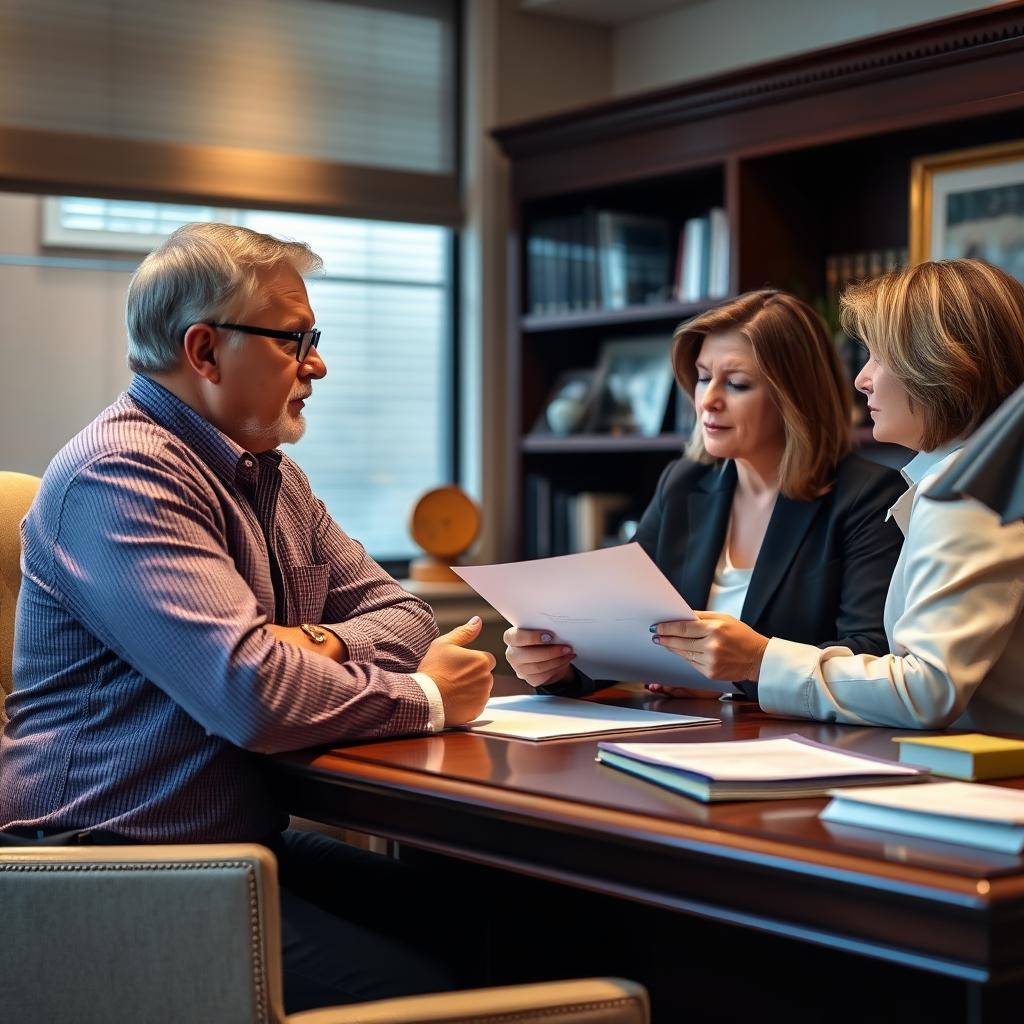
Rehabilitative Alimony Lawyer Isle of Wight County, VA
Rehabilitative alimony is spousal support that helps a financially dependent spouse gain the education, training, or work experience needed to become self‑supporting. In Isle of Wight County, Virginia courts decide whether to award this form of alimony under Va. Code § 20‑107.1 after considering the parties’ earning capacities, the length of the marriage, and the standard of living during the marriage. The process can feel uncertain, but a knowledgeable attorney can help you present a clear picture of your financial situation to the court. Mr. Sris, Owner and Founder of Law Offices Of SRIS, P.C., and his Of Counsel team have extensive experience with rehabilitative alimony matters in Virginia. To discuss your situation, call (888) 437‑7747. Law Offices Of SRIS, P.C. — Advocacy Without Borders.
Rehabilitative Alimony in Isle of Wight County
Rehabilitative alimony is often part of a larger divorce or separation case. A spouse who left the workforce to raise children or support the other spouse’s career may need time and resources to re‑enter the job market. Virginia judges weigh the need for support against the paying spouse’s ability to pay. They look at thirteen statutory factors, including the age and health of each party, the contributions each spouse made to the marriage, and any sacrifices made for the family. The court may set a specific duration for the payments or keep the award modifiable until the recipient’s circumstances change.
In Isle of Wight County, family law cases that involve alimony are heard in the Isle of Wight County Circuit Court when the alimony is connected to a divorce. Stand‑alone spousal support matters, including enforcement or modification, may proceed in the Isle of Wight County Juvenile and Domestic Relations District Court. Our Richmond location serves clients throughout the county—from Smithfield and Windsor to Carrollton and the surrounding rural communities. Mr. Sris and his Of Counsel are familiar with local court procedures and the judicial expectations in the Fifth Judicial District.
How Mr. Sris and His Of Counsel Handle Rehabilitative Alimony Cases
Rehabilitative alimony disputes often turn on evidence of each spouse’s realistic earning capacity. We start by listening: what does the supported spouse need to become self‑supporting, and what resources are available? Then we gather documentation about employment history, educational opportunities, vocational assessments, and the marital lifestyle. When possible, we negotiate a settlement that gives the supported spouse a clear path to independence while protecting the paying spouse from an open‑ended obligation. If an agreement cannot be reached, we present the evidence to the court and advocate for a fair result under Virginia law.
The timeline of a rehabilitative alimony case varies with the complexity of the financial picture and the court’s calendar. A straightforward agreement may be resolved relatively quickly; a contested hearing can take longer. Throughout the process, Mr. Sris and his Of Counsel keep you informed of what to expect and work to achieve an outcome that respects both parties’ financial futures. Because every case is different, we encourage you to contact us early so we can evaluate your circumstances.
About Mr. Sris and His Of Counsel Team
Mr. Sris, Owner and Founder of Law Offices Of SRIS, P.C., has practiced law since 1997. He is a former prosecutor and is admitted to practice in Virginia, Maryland, the District of Columbia, New Jersey, and New York. His legislative work includes testifying before the Virginia House Courts of Justice Committee in support of 2019 HB 635 (chief patron Del. David Bulova). Mr. Sris and his Of Counsel bring over 120 years of combined legal experience with 4,739+ documented firm-wide results. Results may vary.
All attorneys who work on family law matters at the firm are Of Counsel—experienced practitioners who contribute to case strategy and client advocacy. The team includes professionals with backgrounds in prosecution, law enforcement, and complex litigation, which gives the firm a broad perspective on how Virginia judges and opposing counsel approach rehabilitative alimony. Clients receive the collective attention of a team that has handled thousands of family law matters across the Commonwealth.
Frequently Asked Questions
What is rehabilitative alimony in Virginia?
Rehabilitative alimony is a type of spousal support designed to help a dependent spouse become self‑supporting. A Virginia court may order it for a specific period—long enough for the recipient to obtain education, training, or work experience. The court looks at factors such as the recipient’s need, the paying spouse’s ability to pay, and the standard of living during the marriage.
How does a Virginia court decide the amount and duration of rehabilitative alimony?
The court evaluates the factors listed in Va. Code § 20‑107.1, including each spouse’s earning capacity, the length of the marriage, contributions to the family, and the opportunities a spouse gave up for the benefit of the family. The goal is to set a realistic timeline for the recipient to become self‑supporting. The duration is rarely permanent; it is tied to a rehabilitation plan.
Do I need a lawyer for a rehabilitative alimony case in Isle of Wight County?
You are not required to have a lawyer, but a knowledgeable attorney can help you present a thorough financial picture and negotiate a support plan that is fair and legally sound. The process involves court filings, discovery, and potentially a hearing, all of which benefit from professional guidance. To discuss your specific situation, call Law Offices Of SRIS, P.C. at (888) 437‑7747.
Can rehabilitative alimony be modified after it is ordered?
Yes, if there has been a material change in circumstances—such as a significant change in income, health, or the recipient’s ability to work—either party may ask the court to modify or terminate the support. The same factors that guided the original award will be reconsidered in light of the new facts.
What should I bring to an initial consultation about rehabilitative alimony?
Bring recent pay stubs, tax returns for the last two to three years, information about retirement accounts, statements of joint debts, and any evidence of job training or education costs. A rough budget of your monthly expenses also helps. The more complete the financial picture, the better we can assess what a fair support arrangement might look like.
Where is the Isle of Wight County court that handles alimony cases?
Alimony connected to a divorce is heard in the Isle of Wight County Circuit Court, located at 17122 Monument Circle, Suite A, Isle of Wight, VA 23397. Stand‑alone support matters are handled in the Isle of Wight County Juvenile and Domestic Relations District Court. Our Richmond location serves clients at both courts.
Related family law resources: Family Law Lawyer Fairfax County · Family Law Lawyer Prince William County · Family Law Lawyer Loudoun County · Family Law Lawyer Richmond · Family Law Lawyer Chesapeake
Attorney advertising. Prior results do not guarantee a similar outcome. Results may vary.
Case results depend on a variety of factors unique to each case.