
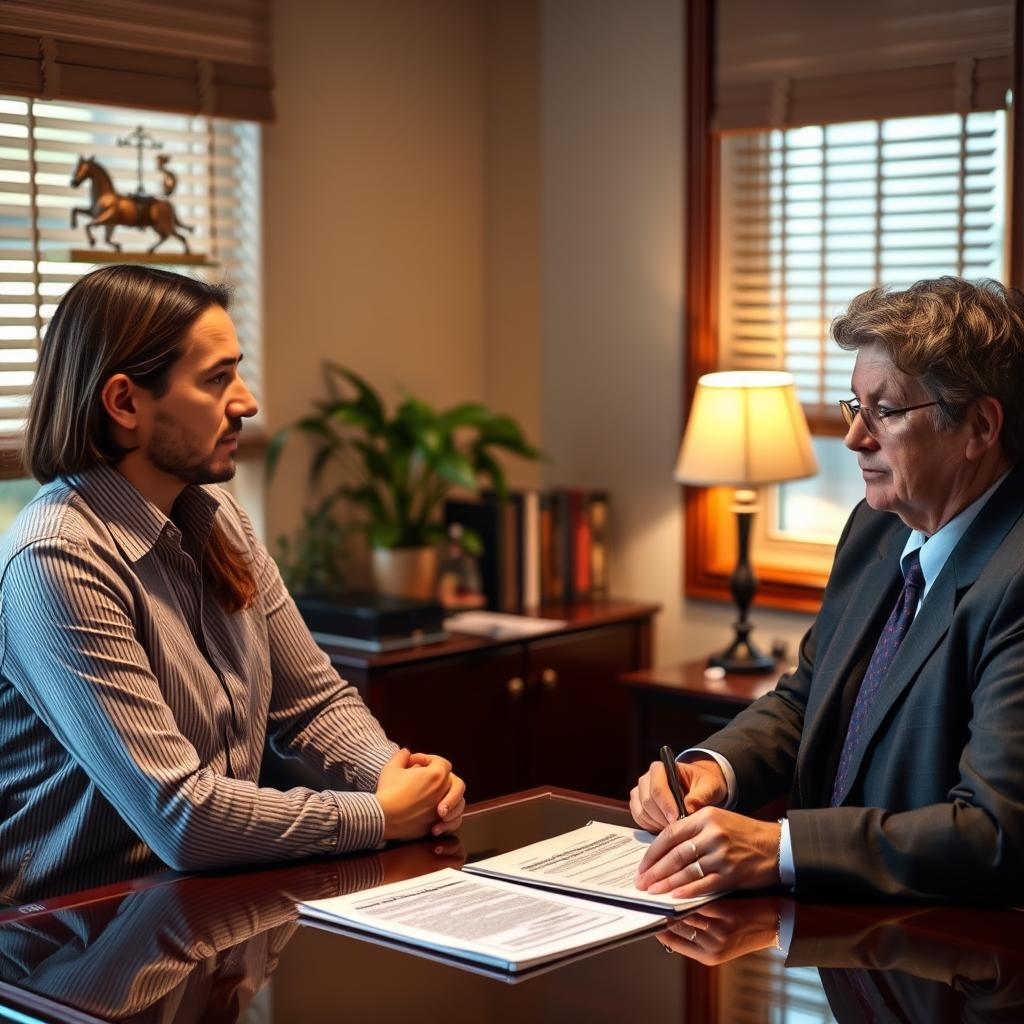
Visitation Modification Lawyer Virginia, VA
You have a court order that sets out when your child spends time with the other parent. Then something changes — a job relocation, a new school schedule, concerns about the child’s safety, or a pattern of missed visits. When a parent in Virginia believes the existing visitation schedule no longer serves the child’s needs, a formal modification may be the next step. Law Offices Of SRIS, P.C., founded in 1997, focuses its family law practice on helping parents address these changes through clear, court-centered guidance. Mr. Sris, Owner and Founder, and his Of Counsel team represent parents across Virginia in visitation modification actions. Reach our firm at (888) 437-7747 to request a consultation. Law Offices Of SRIS, P.C. — Advocacy Without Borders.
What Visitation Modification Means in Virginia
In Virginia, visitation — formally referred to as parenting time — is governed by Va. Code § 20-124.2 and the child’s best interests under Va. Code § 20-124.3. A visitation order is not permanent; the court retains authority to modify it when a parent demonstrates a material change in circumstances. A material change is not a minor disagreement over schedules. It is a substantial shift that affects the child’s welfare — a relocation, a change in the child’s medical needs, a parent’s repeated failure to comply with the order, or evidence that the current arrangement endangers the child.
Virginia courts handle modification petitions based on where the underlying order originated. Matters filed as part of a divorce or custody case in a Circuit Court continue in that court. Standalone visitation disputes often proceed in the Juvenile and Domestic Relations (J&DR) District Court. Counsel working with Law Offices Of SRIS, P.C. is familiar with both court levels and the distinct procedural expectations of each. The goal in every case is to present evidence that clearly links the changed circumstances to the child’s wellbeing, not to relitigate old disagreements.
How Mr. Sris and His Of Counsel Handle Visitation Modification Cases
Each visitation modification begins with a careful review of the existing court order and the facts that prompt the request. Mr. Sris and his Of Counsel gather documentation — communication logs, school records, medical information — that illustrates the change and its effect on the child. A parent seeking modification must file a petition with the appropriate court and serve the other parent. Response deadlines are governed by the court’s scheduling rules, and the timeline varies by case complexity and judicial availability.
At the hearing, the court examines whether a material change has occurred and whether the proposed new schedule serves the child’s best interests. Factors include the child’s age, relationship with each parent, stability of the home environment, and any history of abuse or neglect. The firm prepares clients for direct and cross-examination and works to present the evidence in a way the court can readily evaluate. In some matters, the parties reach agreement through mediation or negotiation before a hearing, reducing the need for contested litigation. Every step is aimed at securing a schedule that protects the child’s welfare and is workable for both parents.
About Mr. Sris and His Of Counsel Team
Mr. Sris is the Owner and Founder of Law Offices Of SRIS, P.C. A former prosecutor, he has concentrated his practice on family law, criminal defense, and immigration matters since 1997. Mr. Sris testified before the Virginia House Courts of Justice Committee in support of 2019 HB 635 (chief patron Del. David Bulova). He is admitted in Virginia, Maryland, the District of Columbia, New Jersey, and New York.
Mr. Sris’s Of Counsel attorneys contribute deep litigation experience to visitation modification cases. Each Of Counsel has well over a decade of practice, and together the team brings over 120 years of combined legal experience. Results may vary. 4,739+ documented firm-wide results. The firm deliberately limits Mr. Sris’s personal caseload so that each client receives focused attention, and the collective knowledge of the team is brought to bear on every case.
Frequently Asked Questions
What is a material change in circumstances for visitation modification in Virginia?
A material change is a significant shift in a parent’s or child’s life that directly affects the child’s wellbeing — for example, relocation, a new work schedule that disrupts parenting time, or safety concerns. The change must not have been known or reasonably anticipated at the time of the original order. Virginia courts will not modify a schedule based on trivial disagreements or a parent’s preference for more time without a showing of real impact on the child.
Do I need a lawyer to modify a visitation order in Virginia?
You are not legally required to hire a lawyer, but visitation modification involves procedural rules, evidence standards, and the trusted-interests analysis that can be difficult to manage alone. An attorney can help you frame the material change, gather admissible evidence, and present your position effectively. If the other parent has representation, proceeding without counsel puts you at a disadvantage. Law Offices Of SRIS, P.C. offers consultations to help parents assess whether representation is appropriate for their case.
How does a Virginia court decide whether to change visitation?
The court first determines whether there has been a material change in circumstances since the last order. If so, it then applies the trusted-interests factors in Va. Code § 20-124.3, which include the child’s age, health, relationship with each parent, the parents’ willingness to support the other’s relationship, and any history of abuse. The judge has broad discretion, and outcomes depend on the specific facts presented. A strong case requires clear documentation and testimony that ties the change to the child’s needs.
What if the other parent is not following the court-ordered visitation schedule?
The proper remedy is to file a motion for enforcement or to request a modification that addresses the noncompliance. The court can compel the parent to comply, order makeup visitation, or, in serious cases, find the parent in contempt. Continuing to deny visitation may also be treated as a material change that justifies modifying the schedule or even changing custody. Document every missed visit and communicate concerns promptly to the court.
How long does it take to get a visitation modification in Virginia?
The timeline depends on the court’s docket, the complexity of the issues, and whether the parties reach an agreement without a hearing. Some modifications can be resolved in a matter of months, while contested cases with extensive evidence may take significantly longer. A hearing on a temporary motion may be scheduled sooner than a final trial. Mr. Sris and his Of Counsel work to move the case forward efficiently while ensuring the record is fully developed to support the client’s position.
Where are visitation modification cases heard in Virginia?
If the visitation order was part of a divorce or custody decree handled by a Circuit Court, modification petitions typically return to that same Circuit Court. Standalone visitation orders, often entered by the Juvenile and Domestic Relations (J&DR) District Court, remain in J&DR for modification. Counsel at Law Offices Of SRIS, P.C. is familiar with both court systems and the procedural rules that apply in each type of case.
For guidance on your specific situation, reach Law Offices Of SRIS, P.C. at (888) 437-7747.
Related family law services: family law in Virginia · custody modification · child support modification · visitation enforcement
Official Virginia primary sources: Virginia Code Title 20 (Domestic Relations) · Virginia’s Judicial System · Virginia Circuit Courts
Attorney advertising. Prior results do not guarantee a similar outcome. Results may vary.
Case results depend on a variety of factors unique to each case.