
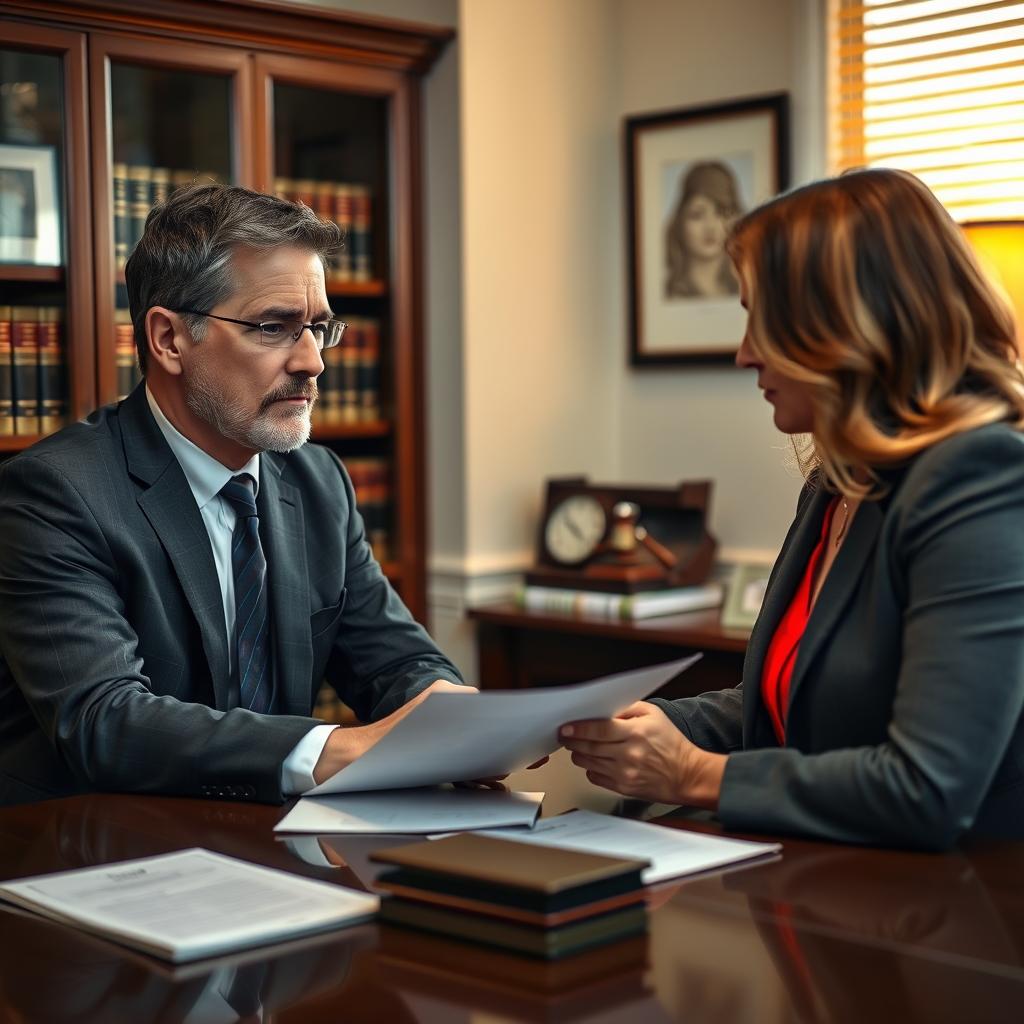
Cruelty Divorce Lawyer Louisa County, VA
You married with hope, but now cruelty has made your home feel unsafe. You live in Louisa County, Virginia, and you dread what tomorrow may bring — a threat, a shove, words that cut deeper than any wound. You want out, but you worry about proving the mistreatment, protecting your children, and dividing years of shared property fairly. Virginia law provides a path: cruelty is a fault-based ground for divorce, and you do not have to wait through a separation period before filing. At Law Offices Of SRIS, P.C., Mr. Sris and his Of Counsel have represented numerous Louisa County residents in cruelty-based divorce cases. We know the Louisa County Circuit Court, the evidence judges expect to see, and how cruelty allegations intersect with custody and equitable distribution. You do not face this alone. Reach our Richmond location at (804) 201-9009 or call (888) 437-7747 to schedule a consultation and begin reclaiming your life. Law Offices Of SRIS, P.C. — Advocacy Without Borders.
What Cruelty Divorce Means in Louisa County
Under Virginia Code §20-91, cruelty that causes reasonable apprehension of bodily hurt is one of the fault grounds for divorce. Unlike no-fault divorce, a cruelty-based filing does not require the parties to live apart for any set period. The spouse seeking the divorce must present evidence that the other spouse’s conduct — physical harm, threats, or a pattern of emotional abuse — made continuation of the marriage unsafe or intolerable. Louisa County Circuit Court, located at 100 West Main Street in Louisa, hears all divorce, equitable distribution, and spousal support matters for the county.
For residents of Louisa, Mineral, and Zion Crossroads, a cruelty divorce often involves careful preparation. The court will consider the impact of the proven cruelty on property division under Virginia’s equitable distribution statute, Va. Code §20-107.3, which divides marital assets fairly but not necessarily equally. Custody and visitation, decided in the best interests of the child under §20-124.3, may also be influenced if the cruelty affected the family environment. Mr. Sris and his Of Counsel are familiar with how these courts evaluate cruelty evidence and can help you build a record that protects your rights.
Strategy Options for a Cruelty Divorce
When you decide to pursue a cruelty-based divorce, the approach depends on the facts of your case. Mr. Sris and his Of Counsel begin by listening carefully to your account and gathering documentation — police reports, medical records, witness statements, text messages, or emails — that demonstrates the mistreatment. In many instances, they may also seek a protective order if your safety is at immediate risk, filing concurrently in the Louisa County Juvenile and Domestic Relations District Court.
From there, the strategy may involve negotiating a property settlement agreement that resolves all issues without trial, or taking the matter to the Circuit Court when the other spouse disputes the cruelty allegations. Mr. Sris and his Of Counsel draw on decades of family law experience to evaluate whether settlement or litigation better serves your goals, always keeping the long-term well‑being of any children at the center of the case. They also work with forensic accountants and other professionals when complex assets are involved, ensuring that hidden income or undervalued property does not cost you a fair result.
What to Expect During Your Divorce
Once a complaint is filed in the Louisa County Circuit Court, the other spouse must be served and given time to respond. The court will schedule hearings and may enter temporary orders — called pendente lite orders — for spousal support, custody, and use of the family home while the case is pending. Discovery is the phase where both sides exchange information; in a cruelty case, this often includes subpoenas for phone records or other evidence that supports your allegations.
If the matter settles, a separation agreement or final decree can be drafted to reflect the agreed terms. If it goes to trial, you will testify about the cruelty and present corroborating witnesses. A judge, not a jury, decides the outcome. After a final decree, issues like custody and support can sometimes be modified later if circumstances change, but property division is typically final. Mr. Sris and his Of Counsel handle each step with a focus on reducing stress and achieving a practical resolution.
About Mr. Sris and His Of Counsel Team
Mr. Sris, Owner and Founder of Law Offices Of SRIS, P.C., has practiced family law in Virginia since 1997. A former prosecutor, he brings courtroom experience and a meticulous approach to each cruelty divorce, ensuring that evidence is presented effectively and that your voice is heard in the Louisa County courts. Mr. Sris and his Of Counsel bring over 120 years of combined legal experience and have achieved 4,739+ documented firm-wide results in family law matters. Results may vary.
The Of Counsel attorneys who support cruelty divorce cases are experienced litigators, including former Maryland prosecutors and a former Virginia State Trooper, each contributing thorough knowledge of the legal system. Together, the team offers a blend of compassion and plain-spoken advocacy. You are never handed off to a junior attorney – every case benefits from the collective judgment of a seasoned group that understands both the emotional strain and the legal complexity of fault-based divorce.
Frequently Asked Questions
What actions qualify as cruelty for a divorce in Virginia?
Cruelty includes physical violence, threats that place you in reasonable fear of harm, and a pattern of verbal or emotional abuse severe enough to make living together unsafe. A single act, such as a serious assault, can be sufficient. You do not need to wait a year or separate first; the cruelty ground allows you to file for divorce immediately.
How does cruelty affect property division and spousal support?
In Virginia’s equitable distribution system, the court may weigh the misconduct that led to the divorce when deciding a fair property split and whether to award spousal support. If the cruelty caused economic harm — such as medical bills, lost income, or destruction of assets — that impact can be factored into the court’s decision. An experienced attorney can help present that evidence clearly.
Will my children’s custody be affected if I prove cruelty?
The Louisa County courts decide custody based on the child’s best interests. A history of cruelty can influence the determination if the conduct placed the child at risk or created a harmful environment. The court will consider all ten statutory factors, including any history of family abuse. Mr. Sris and his Of Counsel can advise on how cruelty allegations may shape custody and visitation orders.
Do I have to go to trial for a cruelty divorce?
Not necessarily. Many cruelty-based divorces are resolved through negotiation and a written separation agreement that settles all issues. If your spouse disputes the cruelty allegations or refuses a fair agreement, trial becomes necessary. Mr. Sris and his Of Counsel prepare every case as if it will go to court, so you are ready for either path.
Is Virginia a community property state?
No. Virginia follows equitable distribution, meaning the court divides marital property fairly but not always equally. Factors such as the length of the marriage, each spouse’s contributions, and the circumstances that led to the divorce — including cruelty — are considered. Separate property you owned before the marriage or received as a gift is generally excluded from division.
For a full statutory breakdown of Virginia divorce laws, see our comprehensive analysis.
Attorney advertising. Prior results do not guarantee a similar outcome. Case results depend on a variety of factors unique to each case. Results may vary.