
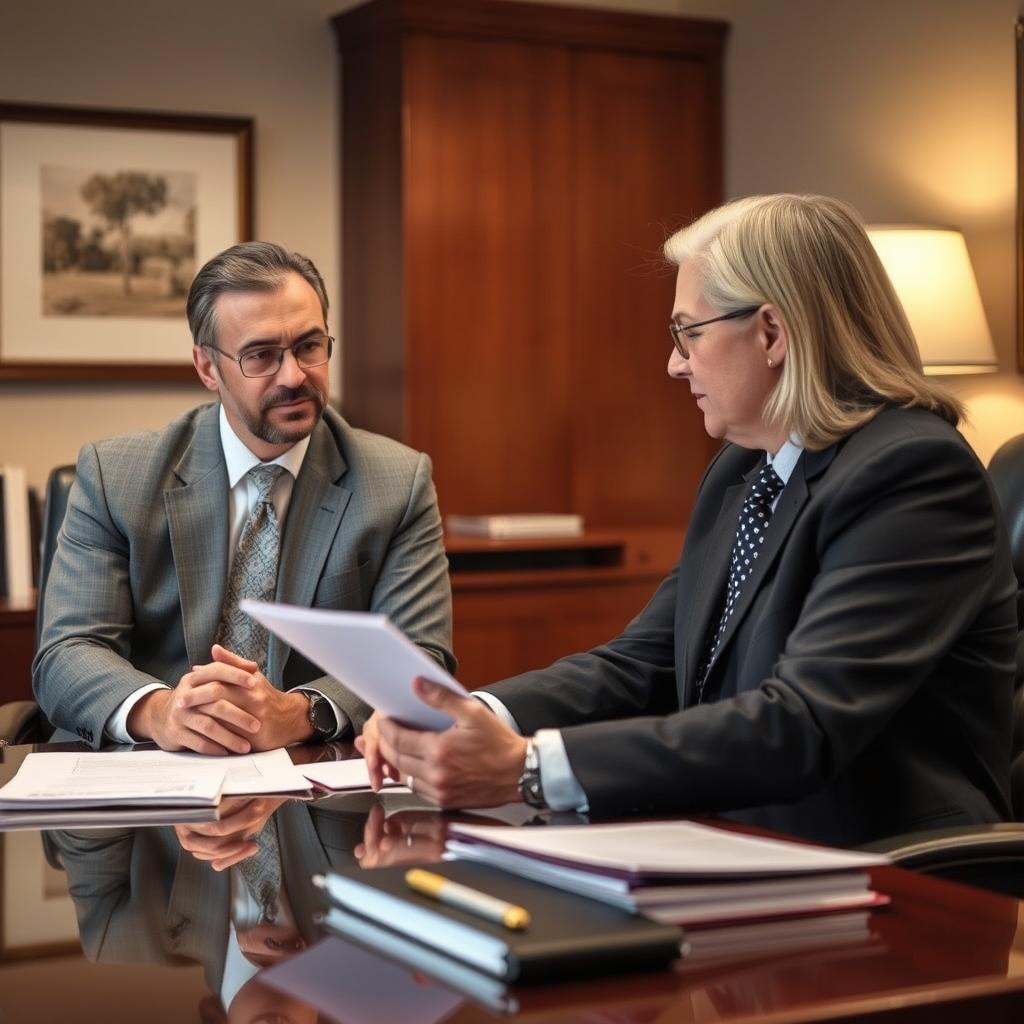
Felony Conviction Divorce Lawyer Prince William County
A felony conviction complicates every part of a Prince William County divorce. You need a Felony Conviction Divorce Lawyer Prince William County who knows Virginia law and local court procedures. Law Offices Of SRIS, P.C. —Advocacy Without Borders. Our attorneys handle custody, property division, and support issues impacted by a criminal record. We build a direct legal strategy for your case. (Confirmed by SRIS, P.C.)
Statutory Definition of Divorce Grounds and Criminal Conduct
Virginia law defines specific grounds for divorce, and a felony conviction can directly impact several. The primary statute is Va. Code § 20-91. This code lists the fault-based grounds for divorce from bed and board or from the bond of matrimony. A felony conviction is addressed under subsection (3). It states a divorce can be granted if either party is convicted of a felony. The sentence must be confinement for more than one year. The conviction must occur after the marriage ceremony. This is a key distinction from other fault grounds.
Using this ground affects the entire divorce proceeding. It can influence a judge’s decisions on custody under Va. Code § 20-124.3. The court must consider the felony conviction as a factor affecting the child’s best interests. It also impacts equitable distribution of marital property under Va. Code § 20-107.3. A spouse’s criminal conduct may be considered when dividing assets and debts. Spousal support awards under Va. Code § 20-107.1 can also be affected. The court examines the circumstances leading to the conviction.
How does a felony affect child custody in Virginia?
A felony conviction is a statutory factor judges must weigh in custody cases. Va. Code § 20-124.3 requires the court to consider each parent’s mental and physical health. A felony conviction, especially for a violent crime, directly impacts this analysis. The judge will assess the nature of the crime and its relation to parenting. Crimes involving violence, drugs, or moral turpitude carry significant weight. The primary concern is always the child’s safety and welfare.
Can I get a divorce if my spouse is incarcerated in Virginia?
Yes, you can file for divorce in Virginia if your spouse is incarcerated. The process for serving legal papers differs for an incarcerated spouse. You must serve the divorce complaint on the spouse at their correctional facility. The court may require additional steps to ensure due process. The incarceration itself can be grounds for divorce under Va. Code § 20-91(3). It can also establish separate grounds under other fault-based provisions.
What is the difference between a fault and no-fault divorce in this context?
A no-fault divorce in Virginia requires one year of separation with no cohabitation. A fault divorce, like one based on a felony, has no waiting period. Proving the felony ground can expedite the finalization of the divorce decree. Choosing fault can influence financial and custody outcomes. It is a strategic decision with long-term consequences.
The Insider Procedural Edge in Prince William County
The Prince William County Circuit Court handles all divorce cases, including those involving felony convictions. The court is located at 9311 Lee Avenue, Manassas, Virginia 20110. All divorce complaints, including those citing felony grounds, are filed here. The clerk’s Location for the Circuit Court manages the filing process. You must file the original complaint and necessary supporting documents. Procedural specifics for Prince William County are reviewed during a Consultation by appointment at our Prince William County Location.
The filing fee for a divorce complaint in Prince William County Circuit Court is set by state statute. The current fee is approximately $89, but you must confirm the exact amount with the Clerk. Additional costs for serving an incarcerated spouse may apply. The court follows the Virginia Rules of Evidence and the Rules of the Supreme Court of Virginia. Local rules of the 31st Judicial Circuit also apply. These rules dictate timelines for responses and hearings.
Cases involving a felony conviction often involve complex evidence. You may need to introduce certified copies of the conviction order. The sentencing documents from the criminal case are also critical. The judge will want to see the official record from the criminal proceeding. Presenting this evidence correctly requires precise legal procedure. Missing a step can delay your case or weaken your position.
Penalties, Consequences, and Defense Strategies
The most severe penalty in a divorce case is the loss of custody or significant parenting time. A felony conviction does not automatically bar a parent from custody. However, it creates a heavy presumption against that parent in Prince William County court. The judge will scrutinize the conviction’s details. The goal is to protect the child from potential harm or negative influence.
| Offense / Consequence | Penalty / Outcome | Notes |
|---|---|---|
| Loss of Primary Physical Custody | Significantly reduced parenting time; supervised visitation possible. | Court focuses on child’s safety and felony’s nature. |
| Impact on Equitable Distribution | Adverse division of marital assets and debts. | Court may award a larger share to the innocent spouse. |
| Spousal Support Modification or Denial | Support may be reduced or denied based on conduct. | Felony conduct leading to incarceration affects earning capacity. |
| Legal Decision-Making Authority | Loss of sole or joint legal custody. | Major decisions about child’s welfare may be restricted. |
[Insider Insight] Prince William County judges and guardians ad litem take felony convictions very seriously in custody disputes. Prosecutors in related criminal matters and family court commissioners view violent or drug-related felonies as major red flags. The local trend is to err on the side of caution, often starting with supervised visitation. Your defense must proactively address rehabilitation and current stability.
Defense strategy begins with a full analysis of the criminal case. We examine the conviction, the sentence, and any post-release compliance. Evidence of rehabilitation is crucial. This includes completion of probation, drug treatment programs, or anger management. Stable employment and housing are demonstrated to the court. Character witnesses who can attest to your current parenting abilities are essential. The strategy is to separate the past crime from your present capability as a parent.
What are the financial consequences of a felony in a divorce?
A felony conviction can lead to an unequal division of marital property. The court may award a larger share to the innocent spouse. This is especially true if marital funds were used for legal defense or fines. The convicted spouse’s earning capacity may be permanently impaired. This affects both spousal support obligations and child support calculations.
How can a lawyer help with custody after a felony?
A lawyer develops a plan to demonstrate rehabilitation and present mitigating evidence. We gather documents like completion certificates for court-ordered programs. We secure testimony from counselors, employers, and family members. We frame the narrative to focus on your current life and commitment to your child. The goal is to secure the most favorable parenting plan possible under the circumstances.
Does the type of felony matter in a Virginia divorce?
Yes, the specific felony matters greatly in a Virginia divorce. A non-violent financial crime is weighed differently than a violent assault or drug trafficking. Crimes against children or domestic violence are the most damaging for custody. The sentence length and time since release are also critical factors. The court’s analysis is highly fact-specific.
Why Hire SRIS, P.C. for Your Prince William County Case
Our lead attorney for complex family law matters has over a decade of litigation experience in Virginia courts. He understands how criminal records intersect with family law proceedings. This specific knowledge is critical for building a defense in Prince William County.
SRIS, P.C. has achieved favorable outcomes for clients facing similar challenges in Prince William County. We focus on constructing a factual record that addresses the court’s concerns head-on. Our approach is direct and evidence-based. We do not shy away from difficult facts. We build a strategy to mitigate them effectively. Our firm provides criminal defense representation that informs our family law practice. This dual perspective is a significant advantage.
We have a Location in Prince William County to serve you. This local presence means we know the courthouse, the staff, and the filing protocols. We are accessible for meetings and prepared for hearings. Our team works to protect your parental rights and financial interests. You need an advocate who will fight for your future after a felony conviction.
Localized FAQs for Prince William County
Can a felony conviction prevent me from seeing my child in Prince William County?
A felony conviction does not automatically prevent all contact. The Prince William County court may order supervised visitation initially. The final order depends on the crime’s nature, time passed, and evidence of rehabilitation.
How long does a divorce take with a felony ground in Virginia?
A fault-based divorce using felony grounds can be finalized faster than a one-year separation. The timeline depends on court scheduling and case complexity. It often takes several months from filing to final hearing.
Will I have to pay more child support because of my felony?
Child support in Virginia is based on gross income and custody time. A felony may reduce your income if it limits employment. The support calculation uses your actual or imputed income, not the conviction itself.
What evidence do I need for a divorce based on a felony?
You need certified copies of the felony conviction and sentencing order from the criminal court. These documents must be introduced as exhibits in your divorce case to prove the ground.
Can I get spousal support if my spouse has a felony?
You may be eligible for spousal support. The court considers the felony’s impact on your spouse’s earning ability and the marital circumstances. A skilled Virginia family law attorney can argue for an appropriate award.
Proximity, Call to Action, and Essential Disclaimer
Our Prince William County Location is strategically positioned to serve clients throughout the area. We are accessible for case reviews and court appearances in Manassas. Consultation by appointment. Call 703-636-5417. 24/7.
SRIS, P.C.
Prince William County Location
Address confirmed upon appointment scheduling.
Phone: 703-636-5417
Facing a divorce with a felony record requires immediate and skilled legal action. The stakes for your family and future are too high for hesitation. Contact our experienced legal team to discuss your Prince William County case. We provide the direct advocacy you need during this difficult time. We also handle related matters like DUI defense in Virginia that can intersect with family law.
Past results do not predict future outcomes.