
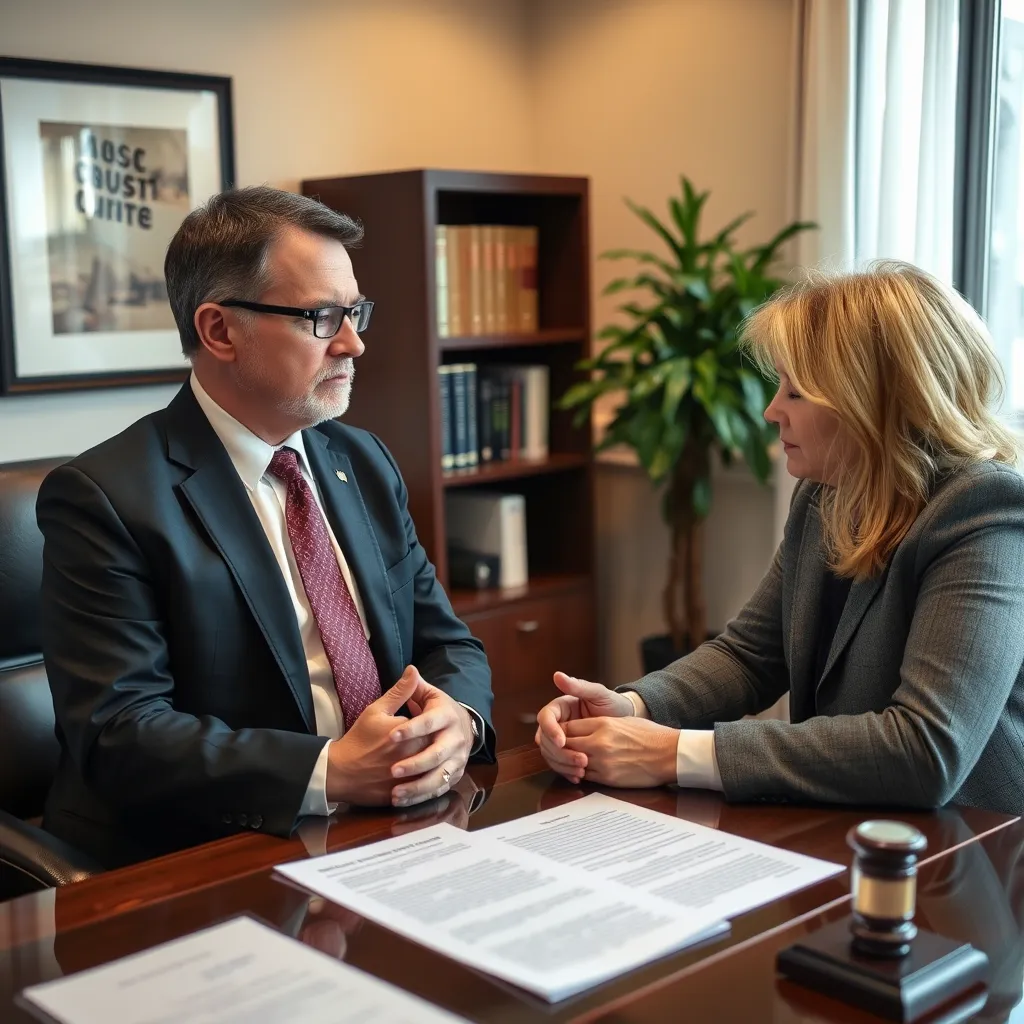
Note: This article is confirmed by Law Offices Of SRIS, P.C.
WRITTEN BY: Mr. Sris
Since 1997, Mr. Sris has led the firm, focusing on the most challenging criminal and family law cases… His background in accounting and information management aids in financial and technology-related cases… Involved in significant legislative changes in Virginia.
Insight: My focus since founding the firm in 1997 has always been directed towards personally handling the most challenging and involved criminal and family law matters our clients face.
Insight: I find my background in accounting and information management provides a unique advantage when handling the intricate financial and technological aspects inherent in many modern legal cases.
Insight: As someone deeply involved in the community, I believe it’s important to not only practice law but also to actively participate in shaping it, which is why I dedicated effort towards amending Virginia Code § 20-107.3 and achieving state recognition for cultural milestones.
separation agreement lawyer Powhatan VA
What is a separation agreement
A separation agreement serves as a formal contract between spouses who choose to live separately. This legal document establishes terms for the period of separation, addressing financial matters, property division, and family responsibilities. In Virginia, these agreements provide structure when couples need time apart without immediately pursuing divorce.
The agreement typically covers asset distribution, debt allocation, and spousal support arrangements. It may include provisions for child custody, visitation schedules, and support obligations. Each section requires careful consideration to ensure fair treatment for both parties. Legal review helps identify potential issues before signing.
Virginia law recognizes separation agreements as binding contracts when properly executed. These documents must meet specific requirements to be enforceable. Both parties should have independent legal counsel to ensure understanding of all terms. The agreement becomes part of any future divorce proceedings.
Professional guidance helps draft comprehensive agreements that address all necessary elements. Attorneys review existing assets, debts, and family needs to create balanced terms. This process establishes clear expectations and reduces potential conflicts. Proper documentation provides legal protection during separation.
How to create a separation agreement
The process of creating a separation agreement begins with comprehensive financial disclosure. Both spouses must provide complete information about assets, debts, income, and expenses. This transparency forms the foundation for fair negotiations. Complete documentation helps ensure all relevant factors are considered.
Next, identify key issues requiring resolution. These typically include property division, debt allocation, spousal support, and child-related matters. Each category requires specific attention to detail. Consider current circumstances and future needs when determining terms. Professional guidance helps address all necessary elements.
Drafting the agreement involves translating negotiated terms into legally precise language. Each provision must be clear and unambiguous to prevent future disputes. Virginia has specific requirements for separation agreement validity. Proper formatting and inclusion of necessary clauses ensure enforceability.
Legal review represents a vital step in the process. Each party should have independent counsel examine the proposed agreement. Attorneys identify potential issues, suggest modifications, and ensure compliance with state law. This review protects both parties’ interests before signing.
Final execution requires proper procedures according to Virginia law. Both parties must sign voluntarily without coercion. Notarization may be necessary for certain provisions. Following correct procedures ensures the agreement will be recognized by courts if needed.
Can I modify a separation agreement
Modification of separation agreements depends on several factors. When both parties mutually agree to changes, amendments can typically be made through proper legal procedures. This requires drafting new provisions, obtaining legal review, and executing revised documents according to Virginia requirements.
Certain circumstances may justify modification even without mutual agreement. Significant changes in financial situations, employment status, or health conditions might warrant adjustments to support provisions. Courts consider whether changes substantially affect ability to meet agreement terms. Documentation of changed circumstances strengthens modification requests.
Child-related provisions follow different modification standards. Courts prioritize children’s best interests when considering changes to custody, visitation, or support arrangements. Substantial changes in children’s needs or parents’ circumstances may justify modifications. Legal standards for child-related changes differ from financial provisions.
The original agreement’s language affects modification possibilities. Some agreements include specific provisions regarding future changes. These clauses may outline procedures for modifications or specify circumstances allowing adjustments. Reviewing original terms helps determine available options.
Legal assistance helps handle modification processes. Attorneys evaluate whether circumstances justify changes and guide appropriate procedures. Professional representation ensures modifications comply with Virginia law and properly protect rights. Proper documentation of all changes maintains agreement validity.
Why hire legal help for separation agreements
Professional legal assistance offers several advantages when creating separation agreements. Attorneys understand Virginia’s specific requirements for these documents. They ensure agreements include all necessary provisions and meet legal standards for enforceability. This knowledge helps avoid common pitfalls that could invalidate agreements.
Legal representation helps address involved financial matters properly. Attorneys review asset valuations, debt allocations, and support calculations. They identify tax implications and long-term financial consequences of proposed terms. This analysis helps create balanced agreements that consider all relevant factors.
Negotiation support represents another benefit of legal assistance. Attorneys help communicate effectively about sensitive matters. They suggest compromise solutions when disagreements arise. Professional guidance maintains focus on practical solutions rather than emotional reactions. This approach often leads to more satisfactory outcomes.
Future protection constitutes a significant advantage of legal help. Properly drafted agreements anticipate potential changes and include appropriate provisions. Attorneys consider various scenarios that might affect agreement terms over time. This forward-thinking approach helps prevent future disputes and litigation.
Peace of mind comes from knowing agreements have been properly reviewed and executed. Legal professionals handle documentation, filing requirements, and procedural details. This allows individuals to focus on personal adjustments during separation. Professional support reduces stress during challenging transitions.
FAQ:
What does a separation agreement cover?
Separation agreements address property division, debt allocation, spousal support, and child-related matters including custody and visitation arrangements.
How long does creating a separation agreement take?
The process typically takes several weeks depending on challenge, required disclosures, and negotiation of terms between parties.
Are separation agreements legally binding in Virginia?
Yes, properly executed separation agreements are legally binding contracts recognized by Virginia courts when they meet state requirements.
Can I create a separation agreement without lawyers?
While possible, legal review helps ensure agreements comply with Virginia law and properly protect both parties’ rights.
What happens if we reconcile after signing?
Separation agreements typically remain in effect unless formally revoked or replaced by new agreements addressing changed circumstances.
How are assets divided in separation agreements?
Assets are divided according to negotiated terms, considering Virginia’s equitable distribution principles and specific family circumstances.
Can separation agreements be used in divorce?
Yes, separation agreements often become part of divorce proceedings, providing established terms for property division and support matters.
What if my spouse won’t sign a separation agreement?
Without mutual agreement, you may need to pursue other legal options through court proceedings to establish separation terms.
How much does a separation agreement cost?
Costs vary based on challenge, required negotiations, and attorney involvement in drafting and reviewing the agreement.
Can separation agreements address retirement accounts?
Yes, separation agreements can include provisions for dividing retirement accounts, pensions, and other long-term financial assets.
What makes a separation agreement invalid?
Agreements may be invalid if not properly executed, if terms violate law, or if signed under coercion without full disclosure.
How do courts view separation agreements?
Virginia courts generally uphold properly executed separation agreements that meet legal requirements and address all necessary matters fairly.
Past results do not predict future outcomes