
Note: This article is confirmed by Law Offices Of SRIS, P.C.
AUTHOR BIO:WRITTEN BY
Since 1997, Mr. Sris has led the firm, focusing on the most challenging criminal and family law cases. His background in accounting and information management aids in financial and technology-related cases. Involved in significant legislative changes in Virginia. My focus since founding the firm in 1997 has always been directed towards personally handling the most challenging and involved criminal and family law matters our clients face.
civil protective order lawyer Alexandria VA
What is a protective order
A protective order is a legal document issued by a court to establish boundaries between individuals. These orders address situations where one person poses a threat to another’s safety. The court determines the specific terms based on the circumstances presented. Protective orders serve as legal tools to prevent contact and ensure personal security.
The process begins with filing a petition at the appropriate court. Documentation supporting the need for protection must accompany the request. The court reviews the petition to determine if immediate protection is warranted. Temporary orders may be issued while the full hearing is scheduled.
Different types of protective orders address various situations. Emergency orders provide immediate, short-term protection. Preliminary orders extend protection until a full hearing. Permanent orders establish longer-term boundaries after a complete review. Each type serves specific purposes within the legal framework.
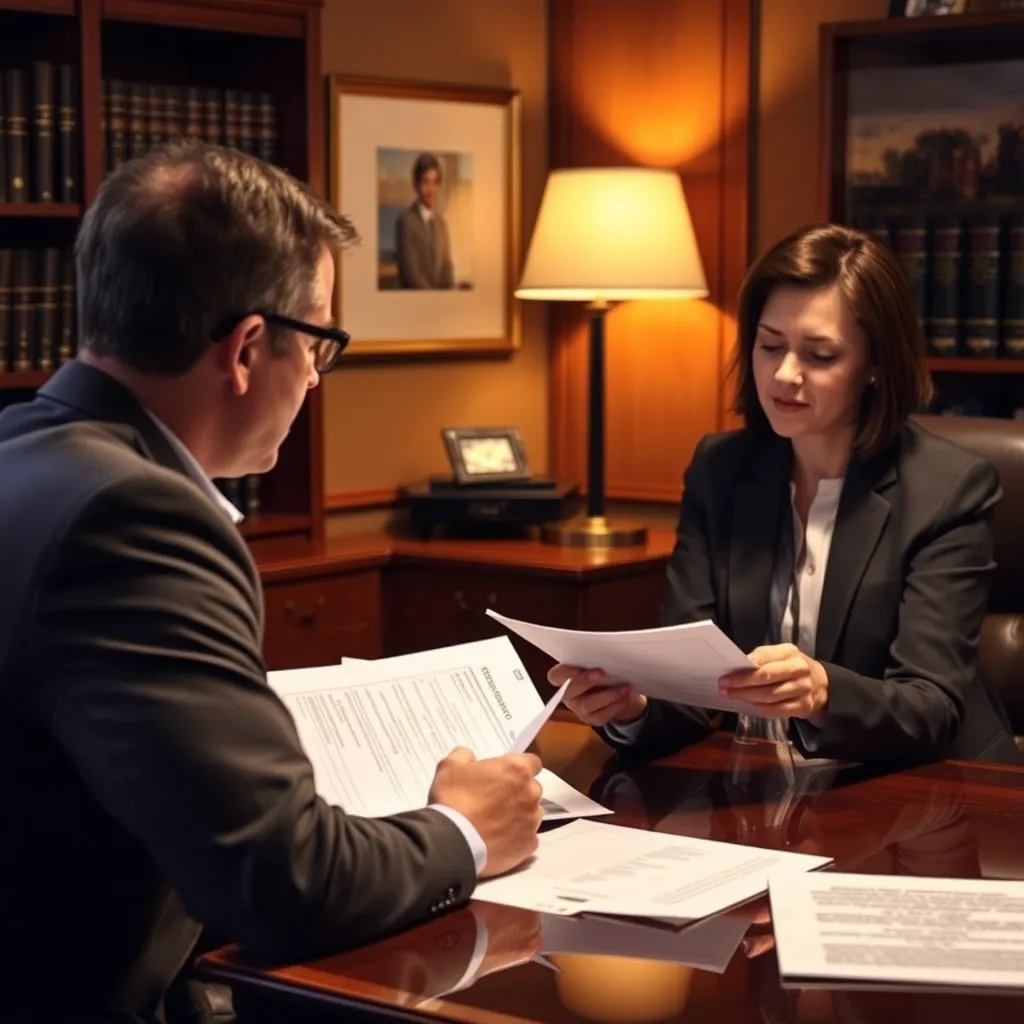
Legal representation helps individuals understand their options and rights. An attorney can assist with preparing necessary documentation and presenting the case effectively. Understanding the legal standards and requirements improves the chances of obtaining appropriate protection. Professional guidance addresses the procedural aspects of the legal system.
Straight Talk: These orders provide legal boundaries, but enforcement depends on proper documentation and reporting violations to authorities.
How to obtain a protective order
The process for obtaining a protective order starts with filing a petition at the appropriate court. In Alexandria, this typically involves the Juvenile and Domestic Relations District Court for domestic situations. The petition must include specific information about the parties involved and the reasons for seeking protection. Supporting documentation strengthens the request for court intervention.
After filing, the court reviews the petition to determine if immediate protection is necessary. If the judge finds sufficient grounds, a temporary protective order may be issued. This order provides protection while awaiting a full hearing. The temporary order typically lasts for a specific period until the scheduled court date.
The full hearing allows both parties to present their positions. Evidence may include documentation, witness statements, or other relevant information. The judge evaluates the evidence to determine if a longer-term order is appropriate. The decision considers the specific circumstances and legal standards.
Legal representation assists with preparing the necessary documentation and presenting the case effectively. An attorney understands the specific requirements of Alexandria courts and can help address procedural matters. Professional guidance ensures proper completion of forms and adherence to court deadlines. This support helps individuals manage the legal process.
Reality Check: The court requires specific evidence to issue protective orders. Proper documentation and clear presentation of facts are essential for success.
Can I modify or extend a protective order
Protective orders may be modified or extended under certain circumstances. Changes in living situations, employment, or safety concerns might justify adjustments to existing orders. The party seeking modification must return to court with a request explaining the reasons for changes. The court reviews the request based on current circumstances and safety considerations.
Extension requests typically involve demonstrating continued need for protection. As protective orders approach their expiration dates, individuals may seek longer-term protection. The court evaluates whether the original concerns still exist or if new threats have emerged. Evidence supporting the need for extension must be presented effectively.
The modification process follows similar procedures to obtaining the original order. A petition must be filed with the appropriate court, and a hearing scheduled. Both parties have the opportunity to present their positions regarding the requested changes. The judge makes determinations based on the evidence presented and legal standards.
Legal assistance helps individuals understand when modifications or extensions may be appropriate. An attorney can evaluate whether changed circumstances justify returning to court. Professional guidance ensures proper completion of modification requests and effective presentation of supporting evidence. This assistance addresses the procedural requirements for adjustments.
Blunt Truth: Courts require substantial reasons to modify orders. Simply wanting changes isn’t enough—you must demonstrate legitimate safety concerns or changed circumstances.
Why hire legal help for protective orders
Legal representation provides important support when addressing protective order matters. Attorneys understand the specific requirements of Alexandria courts and can help handle procedural aspects. This includes proper completion of forms, adherence to filing deadlines, and effective presentation of cases. Professional guidance addresses the technical requirements of the legal system.
Attorneys assist with gathering and organizing supporting documentation. This may include incident reports, medical records, witness statements, or other relevant evidence. Proper documentation strengthens requests for protection and helps demonstrate the need for court intervention. Legal professionals understand what evidence courts typically consider persuasive.
Representation provides support during court hearings and proceedings. Attorneys can present arguments effectively, respond to questions from the judge, and address opposing positions. This assistance helps individuals feel more prepared and confident during legal proceedings. Professional representation ensures proper attention to procedural details.
Legal help extends beyond initial orders to modifications or enforcement matters. If circumstances change or orders are violated, attorneys can assist with appropriate legal responses. This includes filing modification requests or reporting violations to authorities. Ongoing support addresses evolving situations and legal needs.
Straight Talk: Legal help doesn’t guarantee specific outcomes, but it does ensure proper procedure and effective presentation of your situation to the court.
FAQ:
1. What is a protective order?
A court order that restricts contact between individuals for safety reasons.
2. How long do protective orders last?
Temporary orders typically last until a full hearing. Permanent orders may last up to two years with possible extensions.
3. Where do I file for a protective order in Alexandria?
File at the Juvenile and Domestic Relations District Court for domestic situations.
4. What evidence do I need for a protective order?
Documentation of incidents, witness statements, medical records, or police reports can support your request.
5. Can protective orders be modified?
Yes, with court approval based on changed circumstances or new information.
6. What happens if someone violates a protective order?
Violations may result in arrest and criminal charges for contempt of court.
7. Do I need a lawyer for a protective order?
Legal assistance helps with procedures and presentation, though not legally required.
8. How much does a protective order cost?
Filing fees may apply, but fee waivers are available for qualifying individuals.
9. Can protective orders affect child custody?
They may influence custody decisions as courts consider safety factors.
10. What types of protective orders exist?
Emergency, preliminary, and permanent orders address different timeframes and situations.
11. How quickly can I get a protective order?
Emergency orders may be issued immediately. Full hearings typically occur within 15 days.
12. Can I get a protective order against a family member?
Yes, protective orders address domestic violence situations involving family or household members.
Past results do not predict future outcomes.